Skip to content

Corman Shepherd Grooming Profile

Weekly brushing and daily exercise are key. Growth stops around 12 months, though they fill out until age two.
COAT TYPE

Double Coat

SHEDDING

High

GROOMING SKILL

Moderate

TRAINING FAQ

Are Corman Shepherds hypoallergenic?
SCORE
0 /10

Worst Choice

Corman Shepherds are considered a poor choice for allergy sufferers. They possess a thick double coat and are high shedders, releasing a significant amount of dander and hair.

SCORE
0 /10

Heavy

Corman Shepherds are high shedders. Their thick double coat sheds year-round, with heavier shedding during seasonal blowouts.

SCORE
0 /10

Daily to twice weekly

Corman Shepherds need brushing two to three times a week to manage their heavy-shedding double coat, stepping up to daily during seasonal blowouts.

SCORE
0 /10

Hard

Corman Shepherds are higher-maintenance dogs overall — between the heavy shedding, the daily exercise, and the mental stimulation they need, they're not a low-effort companion.

SCORE
0 /10

Medium

Corman Shepherds are medium-sized dogs with a wide size range depending on which parent's traits dominate — typically 12 to 15 inches tall and anywhere from 20 to 70 pounds.

SCORE
0 /10

12-18 months

Corman Shepherds typically reach full adult height by around 12 months, though they keep filling out with muscle until reaching full physical maturity around two years old.

SCORE
0 /10

2-3 cups

"Adult Corman Shepherds typically need 2 to 3 cups of high-quality dry food daily, split into two meals and adjusted for size and activity level — they're prone to weight gain, which adds strain to their long back."

SCORE
0 /10

3-4 meals/day

Corman Shepherd puppies require frequent, small meals to support their growth and energy. Feed them three to four times daily until they reach six months of age. As they mature, transition to two meals per day. Consistent schedules help regulate digestion and support the training process for new owners.

VET INSIGHTS

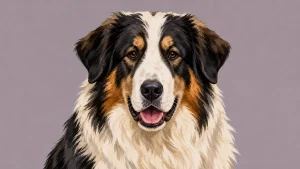
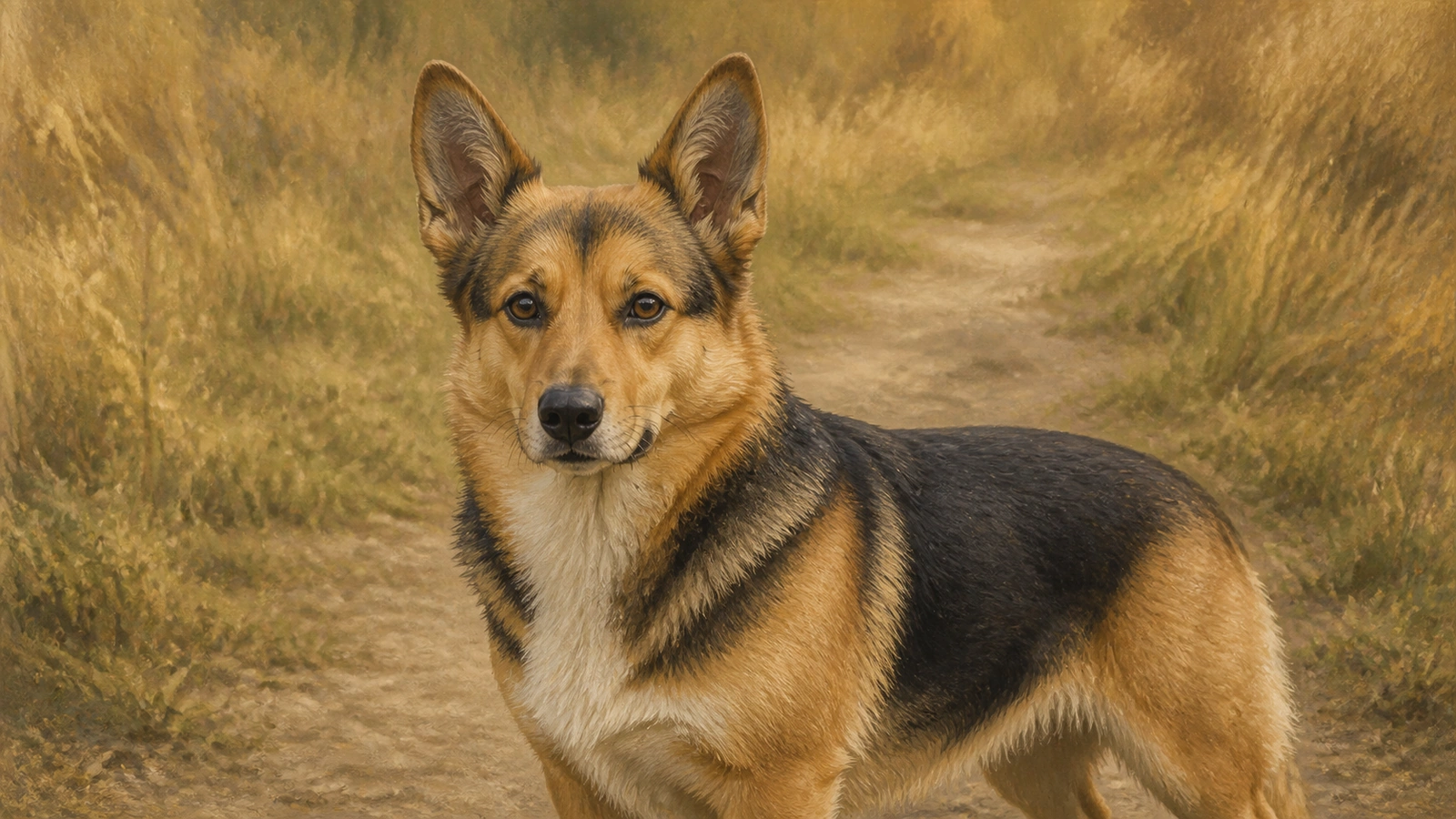
Corman Shepherds are intelligent, high-energy medium-sized dogs that reach full maturity by age two. They are heavy shedders with dense double coats, making them a poor choice for allergy sufferers. Maintenance requires daily brushing and significant mental stimulation. Owners must manage their diet carefully to prevent obesity, as they are prone to weight gain like their Corgi ancestors.

Photo
Reviewed by
Dr. Vojtech Gabriel

DVM · PhD · MBA
Veterinarian Researcher Dog breed specialist
Verified

Explore Other Breed GROOMING PROFILES