Skip to content

East European Shepherd - MAIN HUB

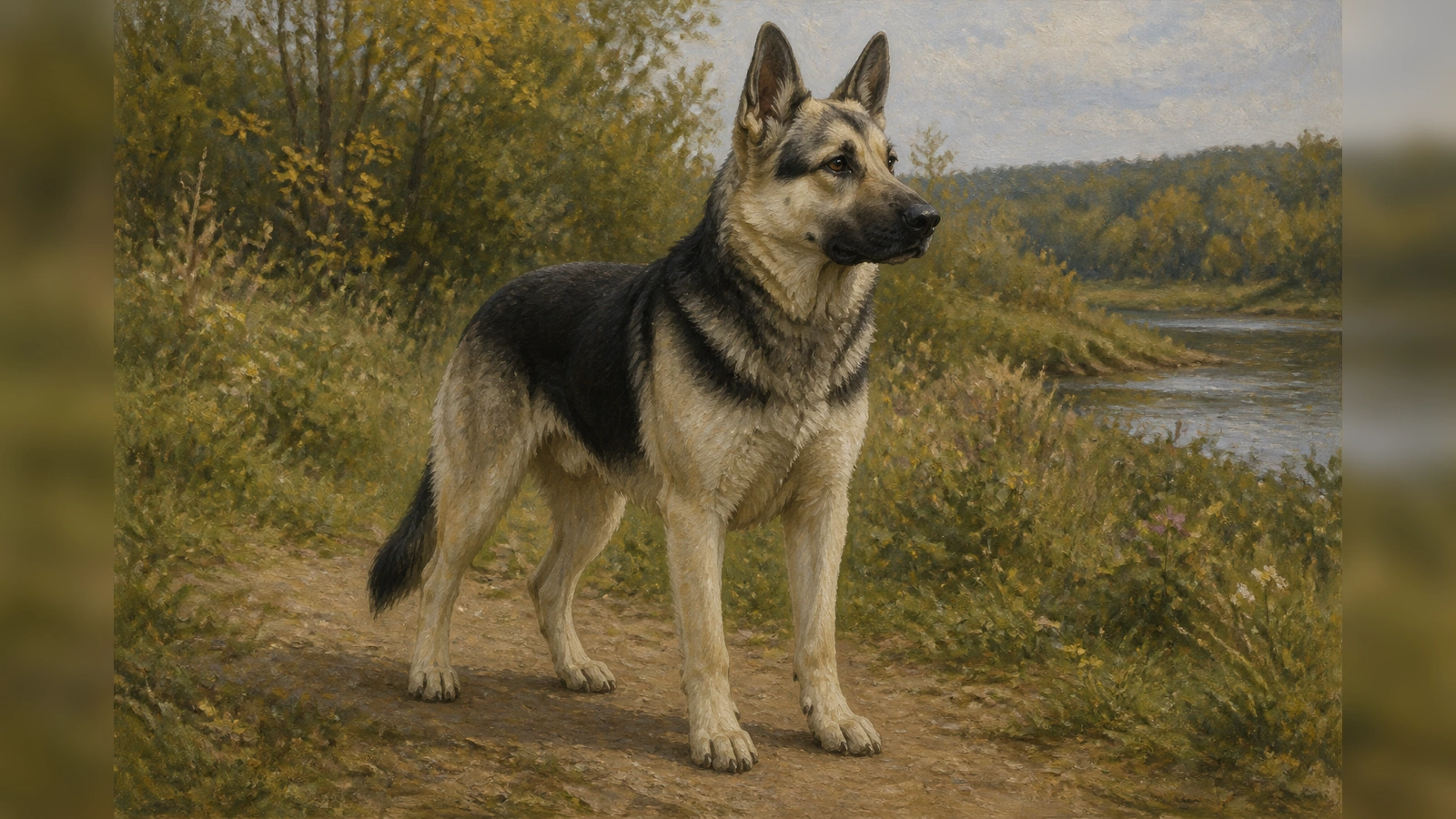
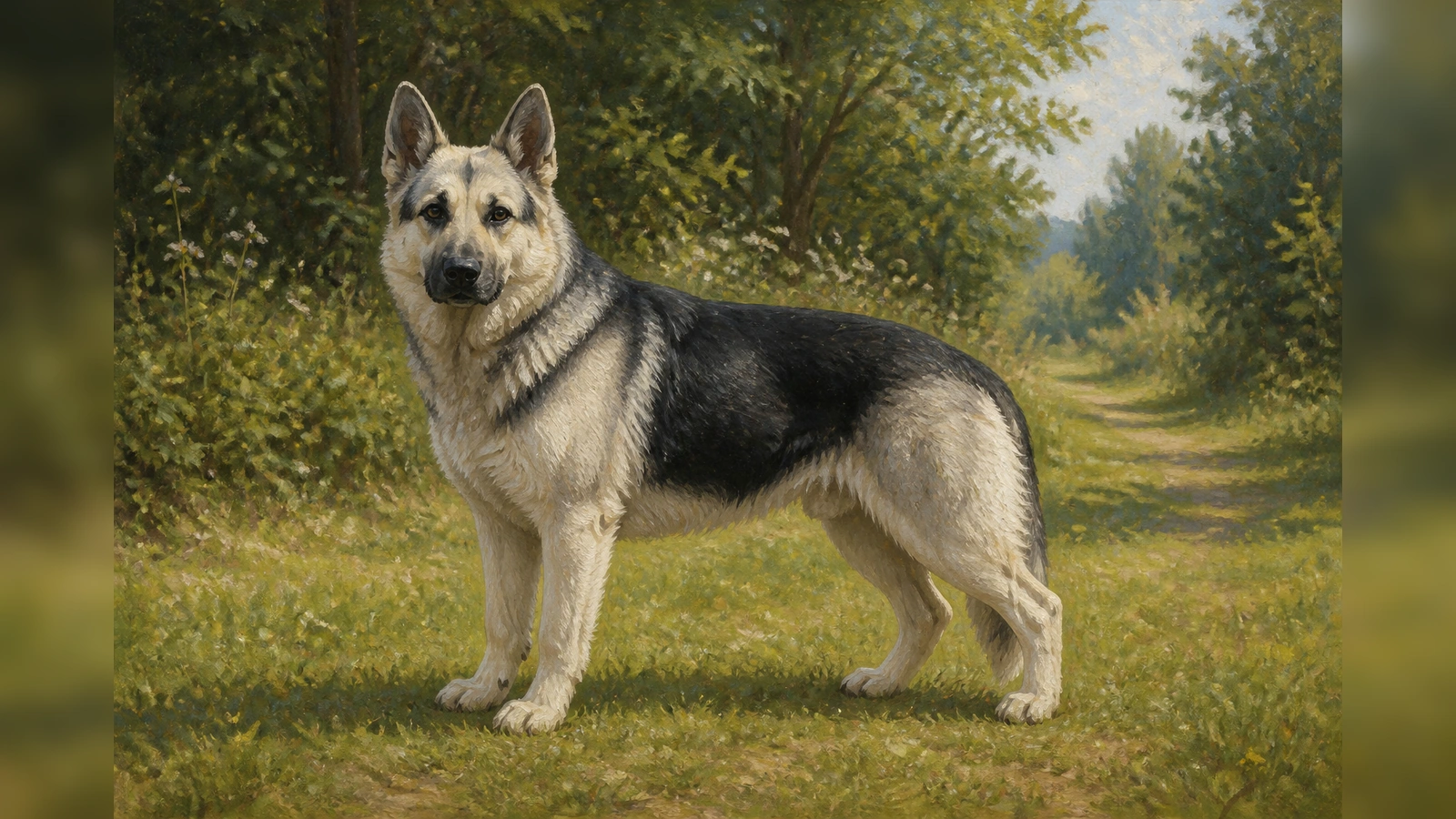
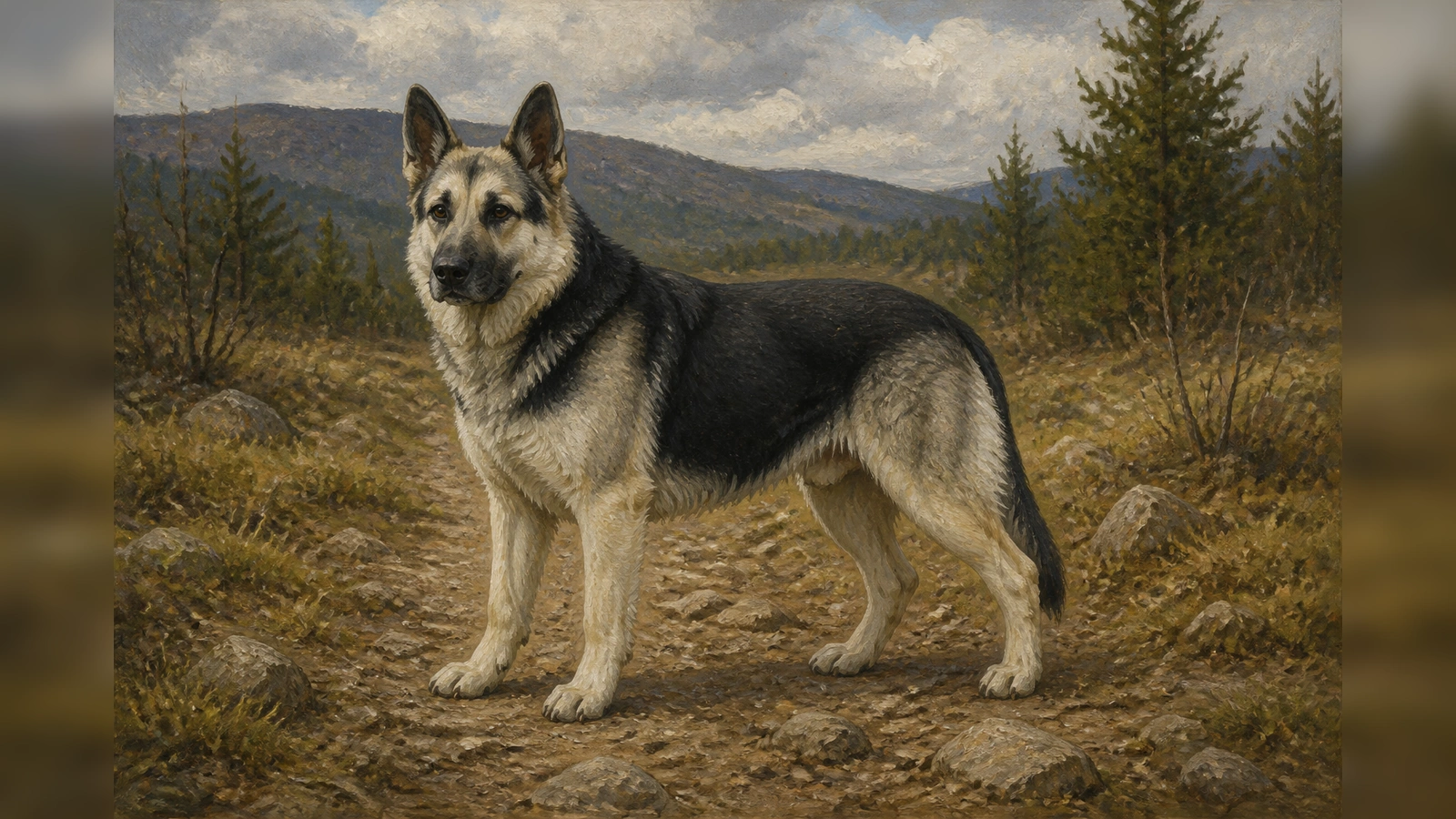
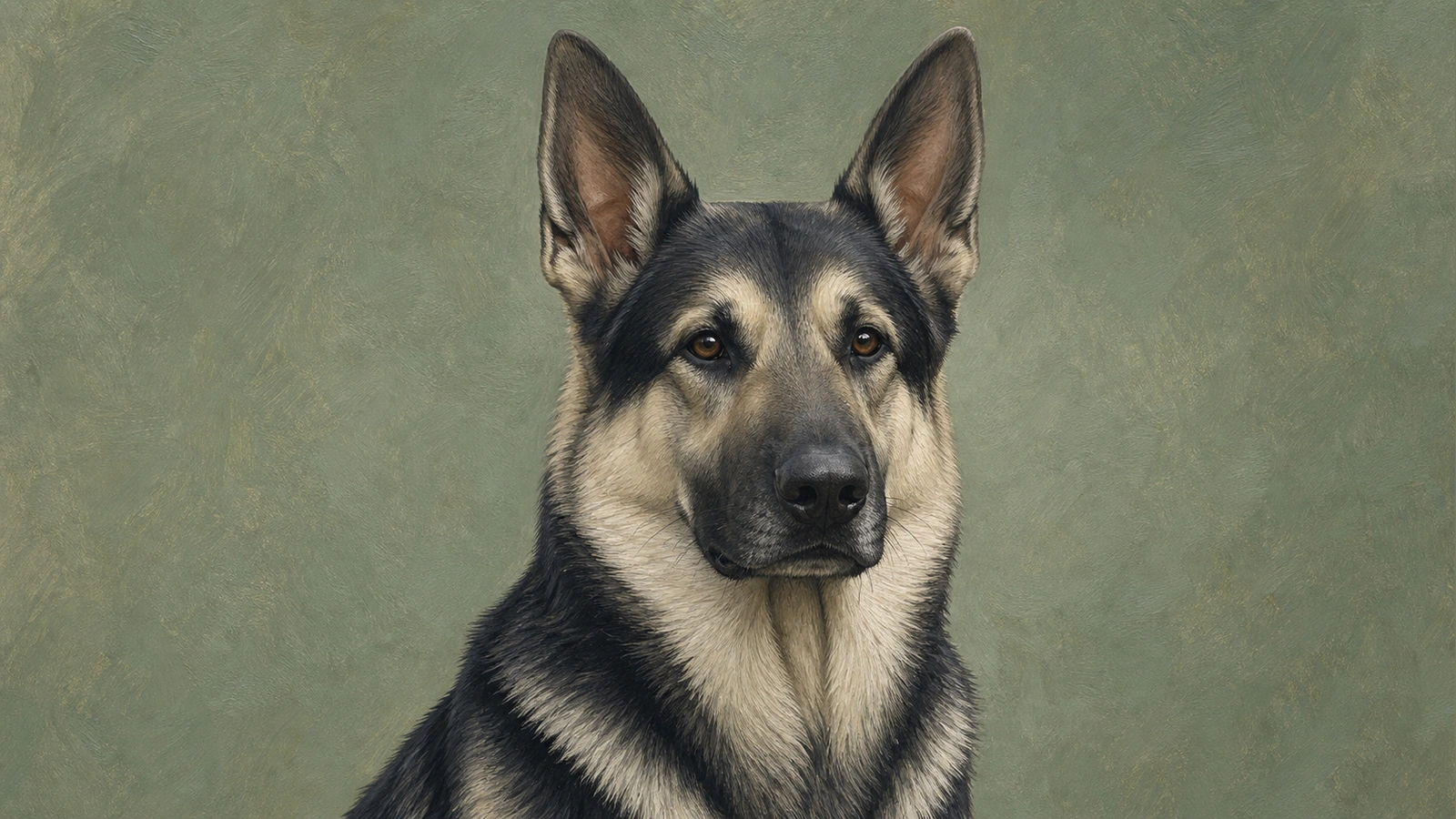
Meet your ultimate guardian! Loyal, brainy, and cold-hardy, the East European Shepherd is a devoted partner ready for adventure and protection.

BREED GROUP

Herding Dogs

Country of origin

Russia

BREED SIZE

Giant

BREED HEIGHT

24 -

30 IN

61 -

76 cm

BREED WEIGHT

66 -

132 LB

30 -

60 KG

WHAT YOU NEED TO KNOW

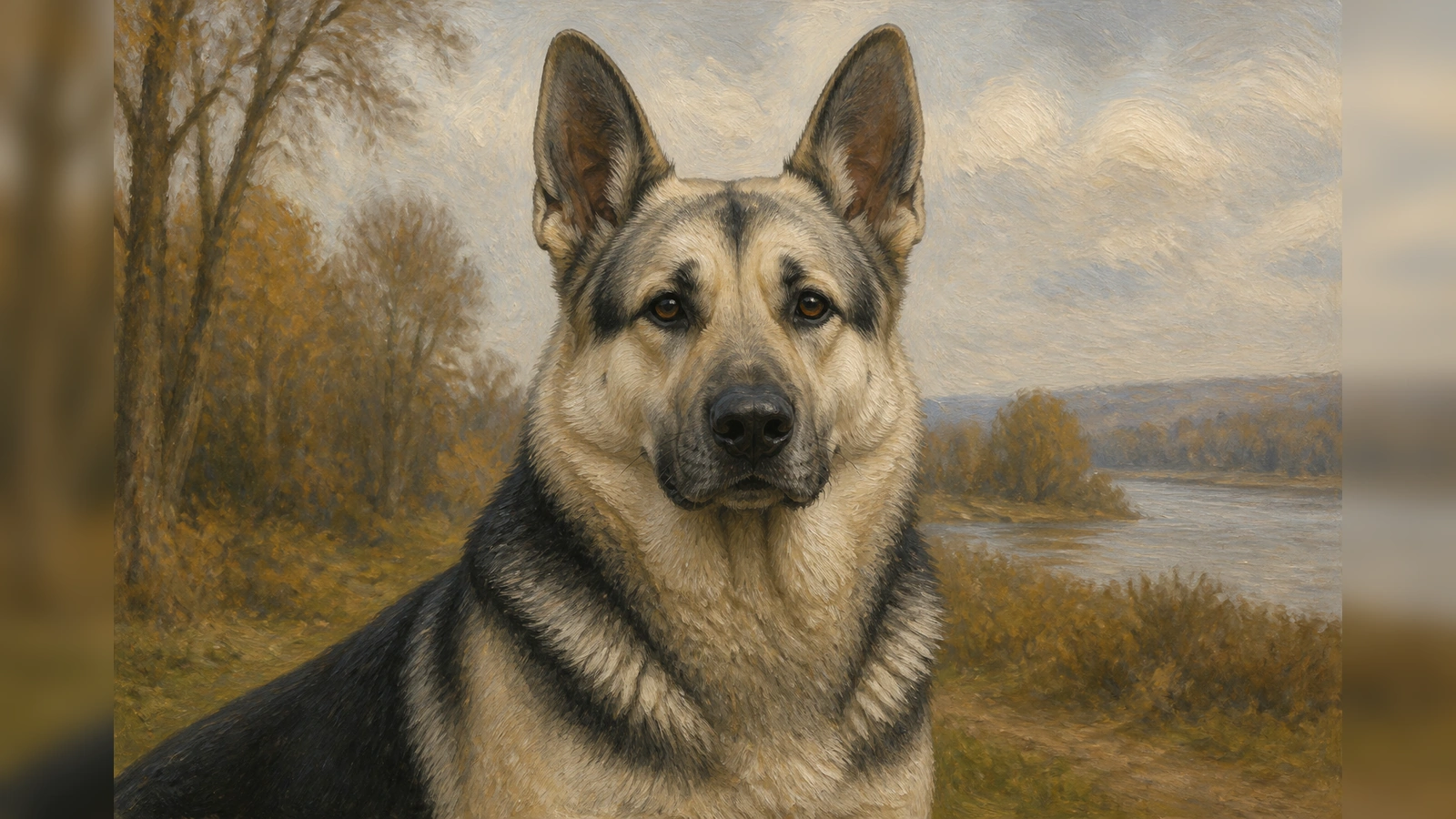
The East European Shepherd is a powerful, versatile working dog developed in the Soviet Union for military and guard work. Larger and more cold-resistant than the German Shepherd, this breed excels as a loyal companion and fearless watchdog. They are highly intelligent, eager to please, and respond well to consistent training, though their size and high energy require active households and plenty of exercise. While naturally wary of strangers, they are devoted to their families and make reliable, protective partners for experienced owners who can provide a strong leadership role.
american kennel club (AKC) recognition

No

Breed was recognized in 0.

International Canine Federation (FCI) recognition

Yes

Breed was recognized in 1964.
WHAT DO OWNERS WANT TO KNOW?

Are East European Shepherds good family dogs?

Above Average

6 out of 10

The East European Shepherd is a loyal and devoted family dog that excels as a protective partner for experienced owners. While they are intelligent and eager to please, their large size and high energy levels make them best suited for active households that can provide consistent training and ample exercise.

Average

6 out of 10

East European Shepherds are generally good with children, especially when raised together. They are known to be loyal, protective, and gentle with their own family members. However, due to their large size and high energy, they can be boisterous and may unintentionally knock over smaller children. Early socialization and consistent training are essential to ensure they are comfortable around kids and understand appropriate behavior. Supervision is always recommended during interactions.

Good

6 out of 10

East European Shepherds are highly recommended for first-time owners due to their intelligence and affectionate nature, which makes them eager to please and relatively easy to train. While they can be stubborn and require consistent positive reinforcement, their loyalty and adaptability to various living situations make them rewarding companions. Success for a novice owner depends on a commitment to providing regular daily exercise and managing their potential for vocalization and separation anxiety.

Fair

9 out of 10

East European Shepherds are highly recommended for first-time owners due to their intelligence and affectionate nature, which makes them eager to please and relatively easy to train. While they can be stubborn and require consistent positive reinforcement, their loyalty and adaptability to various living situations make them rewarding companions. Success for a novice owner depends on a commitment to providing regular daily exercise and managing their potential for vocalization and separation anxiety.

Very Low

8 out of 10

A yard is not strictly required for an East European Shepherd, as their manageable size makes them a good fit for various living situations, including apartments. While they are energetic and benefit from a fenced area for safe off-leash play due to their prey drive, their exercise needs can be met through 45 to 60 minutes of daily walks and indoor mental stimulation. Owners must be mindful of their tendency to bark and dig, ensuring they receive enough interaction to prevent boredom-related behaviors.

Average

5 out of 10

East European Shepherds are highly social companions that thrive on human interaction and are prone to developing separation anxiety if left alone for extended periods. While they can manage short durations of solitude, prolonged isolation often leads to destructive behaviors like chewing, digging, or excessive barking. They are best suited for households where someone is frequently present to provide the companionship and mental stimulation they require.

Average

5 out of 10

East European Shepherds generally coexist well with cats, especially when raised together from a young age. Their intelligent and affectionate nature helps them form harmonious bonds, though their Dachshund and Corgi heritage may trigger a natural instinct to chase. Early socialization and consistent training are key to ensuring they respect their feline companions and maintain a peaceful multi-pet home.

Balanced

5 out of 10

East European Shepherds are not naturally aggressive; they are typically loyal, affectionate, and spirited companions that bond closely with their families. While they may inherit a stubborn streak or herding instincts that lead to nipping, these behaviors are generally manageable with early socialization and consistent training. With proper mental stimulation and positive reinforcement, they remain friendly and well-adjusted pets.

Moderate

5 out of 10

East European Shepherds are high-energy hybrids that require regular physical activity and mental stimulation to stay happy and healthy. Blending the active nature of the Dachshund and the Corgi, they typically need 45 to 60 minutes of daily exercise, such as brisk walks and interactive play. Without an outlet for their energy, they may develop destructive behaviors, excessive barking, or separation anxiety.

~60-90+ min a day

3 out of 10

East European Shepherds are high-energy hybrids that require regular physical activity and mental stimulation to stay happy and healthy. Blending the active nature of the Dachshund and the Corgi, they typically need 45 to 60 minutes of daily exercise, such as brisk walks and interactive play. Without an outlet for their energy, they may develop destructive behaviors, excessive barking, or separation anxiety.

Very Poor

2 out of 10

East European Shepherds are highly sensitive to hot weather due to their thick, dense double coats designed for cold climates. They are prone to overheating and heatstroke in high temperatures, so owners must provide constant access to shade, fresh water, and air conditioning while limiting outdoor activity to the coolest parts of the day.

Very Poor

2 out of 10

East European Shepherds are highly sensitive to hot weather due to their thick, dense double coats designed for cold climates. They are prone to overheating and heatstroke in high temperatures, so owners must provide constant access to shade, fresh water, and air conditioning while limiting outdoor activity to the coolest parts of the day.

Low Risk

7 out of 10

East European Shepherds are rarely subject to breed-specific bans due to their small size and status as a popular designer hybrid. Their compact frame makes them generally acceptable in most rental communities. However, always verify individual landlord policies regarding weight limits, potential noise complaints due to their tendency for vocalization, or specific rental insurance requirements.

WHAT DO OWNERS WANT TO KNOW?


Photo
Reviewed by
Dr. Vojtech Gabriel
DVM · PhD · MBA
Veterinarian Researcher Dog breed specialist
Verified

"East European Shepherds are rarely subject to breed-specific bans due to their small size and status as a popular designer hybrid. Their compact frame makes them generally acceptable in most rental communities. However, always verify individual landlord policies regarding weight limits, potential noise complaints due to their tendency for vocalization, or specific rental insurance requirements."

Other Herding Dogs