Skip to content

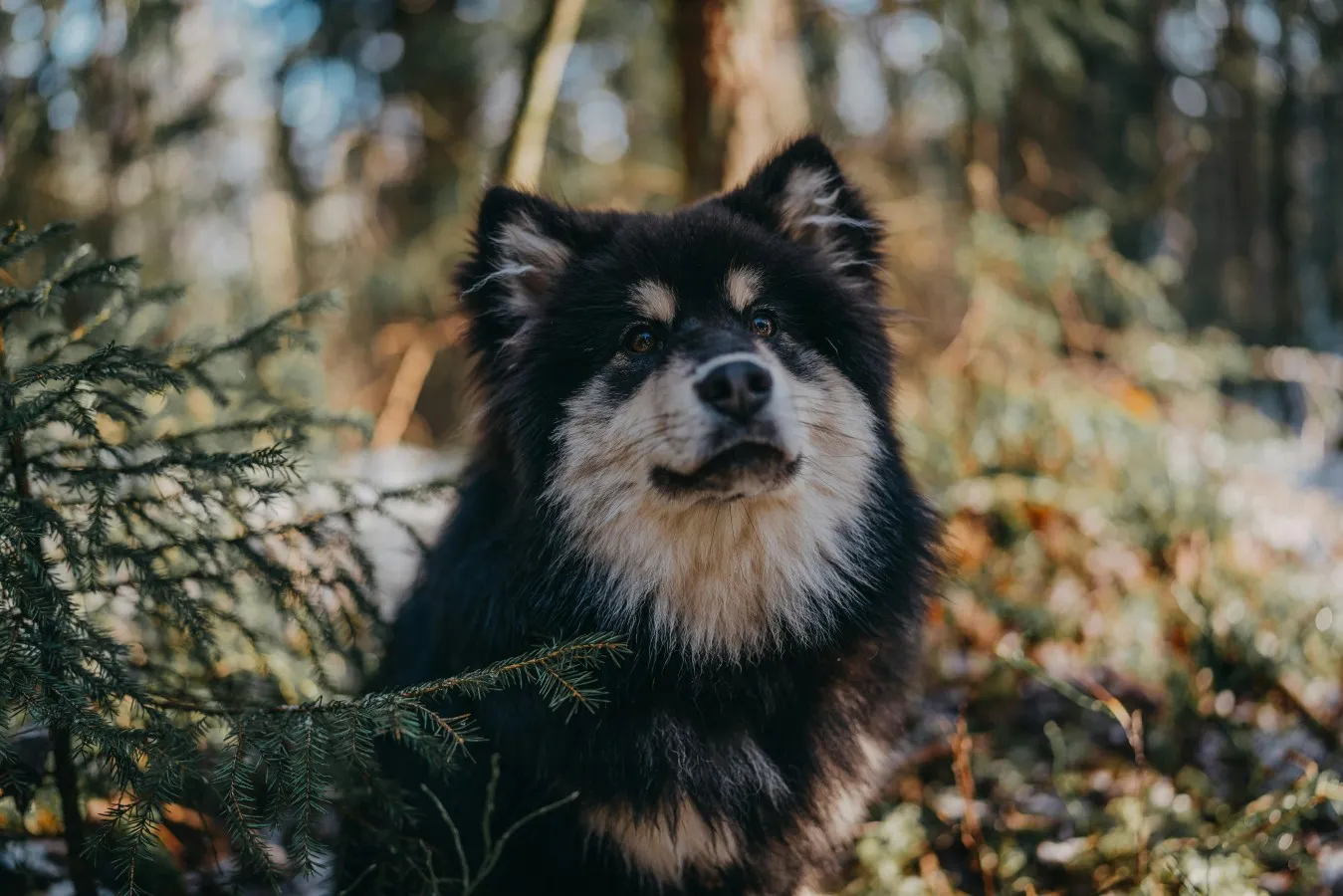
Finnish Lapphund Training Profile

Finnish Lapphunds are intelligent, eager-to-please herders that respond well to positive reinforcement and short, engaging sessions. While generally biddable, their independent nature and soft temperament require patient, reward-based training. Early socialization and managing their vocal nature are essential. They thrive on variety and mental stimulation but can become bored with excessive repetitions.

TRAINABILITY

Trainable

8 out of 10

MENTAL STIMULATION NEEDS

Above Average

7 out of 10

LOVE FOR GRUB

Moderate

5 out of 10

TRAINING FAQ

Are Finnish Lapphunds easy to train?

Moderate

6 out of 10

Finnish Lapphunds are intelligent and generally eager to please, but they possess an independent, self-sufficient streak that can make training challenging. While they quickly grasp new commands and excel at problem-solving, they can also be strong-willed and may become bored with repetitive tasks. Success depends on using consistent, positive reinforcement methods and varied, engaging sessions to maintain their interest and cooperation.

Not Stubborn

10 out of 10

Finnish Lapphunds are intelligent and generally eager to please, but their history as independent reindeer herders can result in a stubborn streak. They may employ selective hearing or choose to do their own thing if they find training repetitive or uninteresting. Success requires extreme patience, variety in training sessions, and the use of high-value rewards like treats or toys to keep their active minds engaged and motivated.

Good

8 out of 10

Train Finnish Lapphund puppies using positive reinforcement like treats, praise, and play. These intelligent yet independent dogs respond best to short, 5-15 minute sessions that incorporate variety to prevent boredom. Prioritize early socialization between 3 and 16 weeks to manage their natural barking instincts and ensure they grow into well-adjusted companions. Maintain consistency with clear boundaries and avoid harsh corrections, as this breed is sensitive and thrives on a strong, trust-based bond.

Challenging

3 out of 10

Potty training a Finnish Lapphund typically takes 4 to 6 months to achieve full reliability. While they are intelligent and eager to please, their independent nature and slow maturation can make housebreaking challenging. Success relies on a consistent schedule, frequent outdoor breaks, and positive reinforcement to establish a firm routine.

Above Average

7 out of 10

Finnish Lapphunds are active herding dogs that require moderate daily exercise, typically between 60 to 90 minutes. This should include at least one or two brisk walks or jogs combined with interactive play like fetch or agility to satisfy their energy levels. Because of their thick coats and history in the Arctic, they are prone to overheating, so always schedule exercise during the cooler parts of the day and ensure they remain on a leash or in a fenced area due to their strong chasing instincts.

Minimal Routine

2 out of 10

A Finnish Lapphund’s daily routine should balance moderate physical activity with mental engagement to satisfy their herding instincts. Provide 60 to 90 minutes of exercise daily, split into two brisk walks or activities like hiking and agility. Feed adult Lapphunds twice daily and puppies three times to support their energy levels. Essential daily care includes 5 to 10 minutes of positive reinforcement training to prevent stubbornness and weekly brushing of their thick double coat—increasing to daily during shedding seasons. Ensure they have significant time for family companionship and quiet rest to support their emotional well-being.

VET INSIGHTS

Finnish Lapphunds are intelligent herders with an independent streak, requiring patient, reward-based training and varied sessions to prevent boredom. They need 60 to 90 minutes of daily exercise, carefully managed to avoid overheating. Housebreaking is challenging, typically taking four to six months. Their daily routine balances physical activity, mental stimulation, and regular grooming of their thick double coat.
Photo
Reviewed by
Dr. Vojtech Gabriel
DVM · PhD · MBA
Veterinarian Researcher Dog breed specialist
Verified

Explore Other Breed TRAINING PROFILES