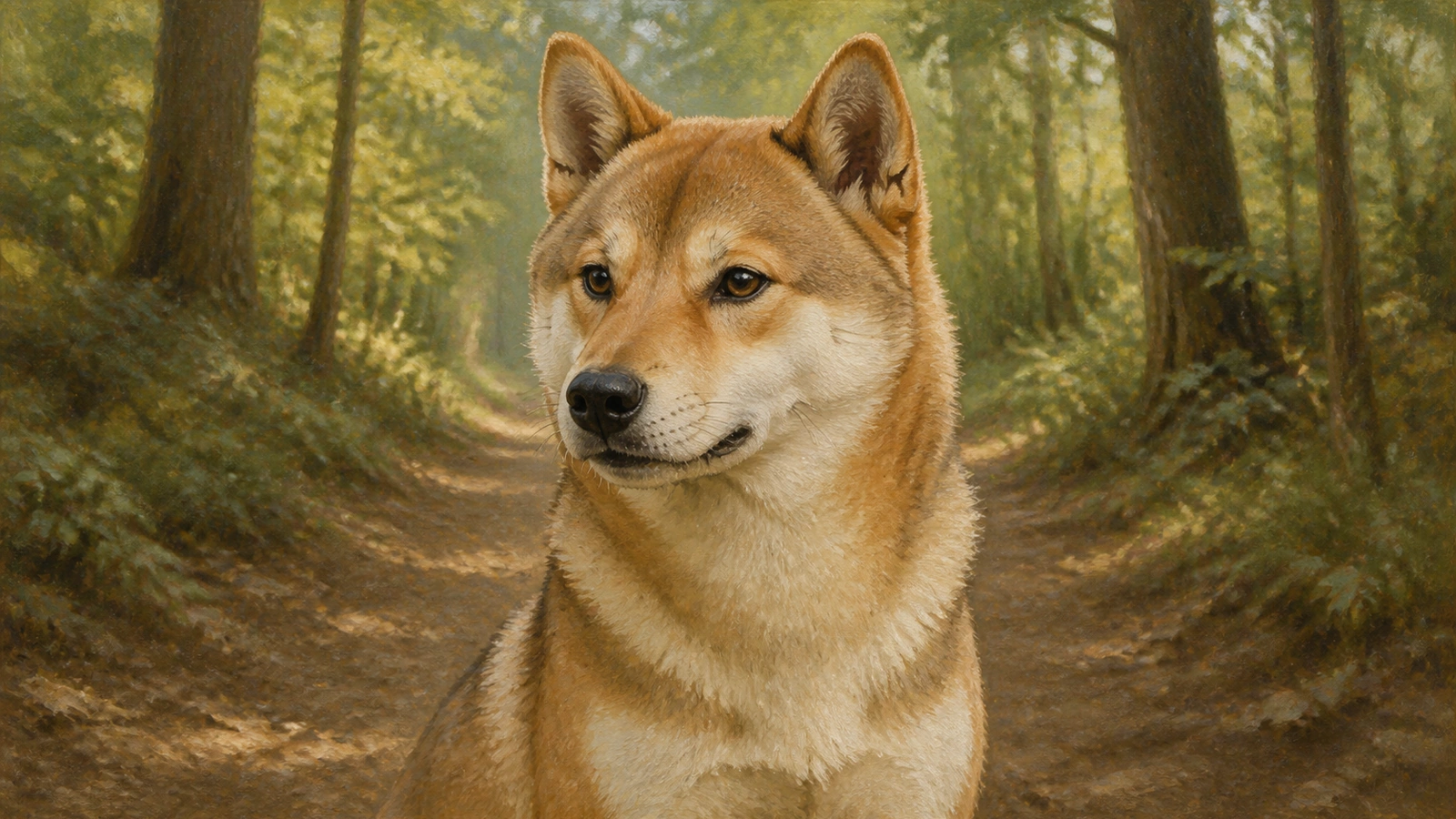
Shikoku Training Profile
Shikokus are intelligent and loyal Japanese hunters that require firm, consistent leadership to manage their independent spirit. These quick learners thrive on positive reinforcement and early socialization to curb protective instincts. High energy levels necessitate vigorous daily exercise and mental stimulation to prevent boredom-driven behaviors, making them best for active owners.
TRAINABILITY
Very Easy
9 out of 10
MENTAL STIMULATION NEEDS
Above Average
7 out of 10
LOVE FOR GRUB
Very Picky
2 out of 10
TRAINING FAQ
Are Shikokus easy to train?
Quick Learner
8 out of 10
Shikokus are intelligent and generally cooperative with their owners, but they possess a strong-willed, independent nature typical of primitive breeds. While they are quick learners that respond well to consistent positive reinforcement, their high prey drive and occasional stubbornness mean they are best suited for experienced owners who can provide patient, firm leadership. Early socialization is essential to manage their reserved nature around strangers and ensure they remain manageable in various environments.
Are Shikokus stubborn?
Very Cooperative
9 out of 10
Shikokus are intelligent but possess a notable stubborn streak, often acting as independent thinkers who prefer their own agenda. While they are loyal and submissive to their masters, they can be impulsive and may choose to ignore commands if they find something more interesting, such as a scent or prey. Successful training requires extreme patience, firm and consistent leadership, and positive reinforcement to manage their strong-willed nature and prevent them from becoming mischievous or destructive.
How to train a Shikoku puppy?
Very Good
9 out of 10
Train your Shikoku puppy using a consistent, positive, and rewards-based approach. Focus on early and ongoing socialization with various people, animals, and environments to manage their independent nature and high prey drive. Maintain a structured routine that includes basic commands, impulse control, and crate training while ensuring sessions remain short and engaging. Avoid harsh punishment, as this breed responds best to firm yet gentle leadership and clear boundaries to prevent territorial or destructive behaviors.
How difficult is to potty train a Shikoku puppy?
Good
8 out of 10
Potty training a Shikoku typically takes 4 to 6 months to achieve full reliability. These intelligent dogs are generally fastidious and easy to housebreak because they naturally avoid soiling their sleeping area. Success relies on a consistent routine, using positive reinforcement with treats and praise, and providing frequent outdoor breaks to accommodate their physical development.
How many walks does a Shikoku need?
Moderate Needs
6 out of 10
Shikokus are energetic hunting dogs that require at least one hour of vigorous exercise daily to prevent boredom and destructive behaviors. They thrive on activities like hiking, running, and interactive play, but they should always be kept on a leash or in a fenced area due to their high prey drive and unreliable recall. Providing multiple opportunities for physical activity each day is essential to maintain their health and satisfy their high stamina.

What is the best daily routine for a Shikoku?
Moderate Low
5 out of 10
A Shikoku’s daily routine should focus on providing consistent physical and mental outlets to manage their high energy and primitive instincts. Provide at least 60 minutes of exercise, ideally split into two or three long walks and an hour of outdoor play in a securely fenced area or on a leash. Feed adult Shikokus twice daily and puppies three to four times to support their active metabolism. Essential daily care includes weekly brushing to manage their double coat, regular checks for ticks or debris after outdoor activities, and short, engaging training sessions to satisfy their high need for mental stimulation.

VET INSIGHTS
Shikokus are intelligent, independent Japanese hunting dogs requiring firm leadership and early socialization. They are quick learners but possess a notable stubborn streak and high prey drive. Daily care involves at least 60 minutes of vigorous exercise, consistent positive reinforcement training, and weekly brushing. Potty training is generally straightforward due to their fastidious nature.

Reviewed by
Dr. Vojtech Gabriel
DVM · PhD · MBA
Veterinarian
Researcher
Dog breed specialist
✓
Verified