Skip to content

American Eskimo Dog - MAIN HUB

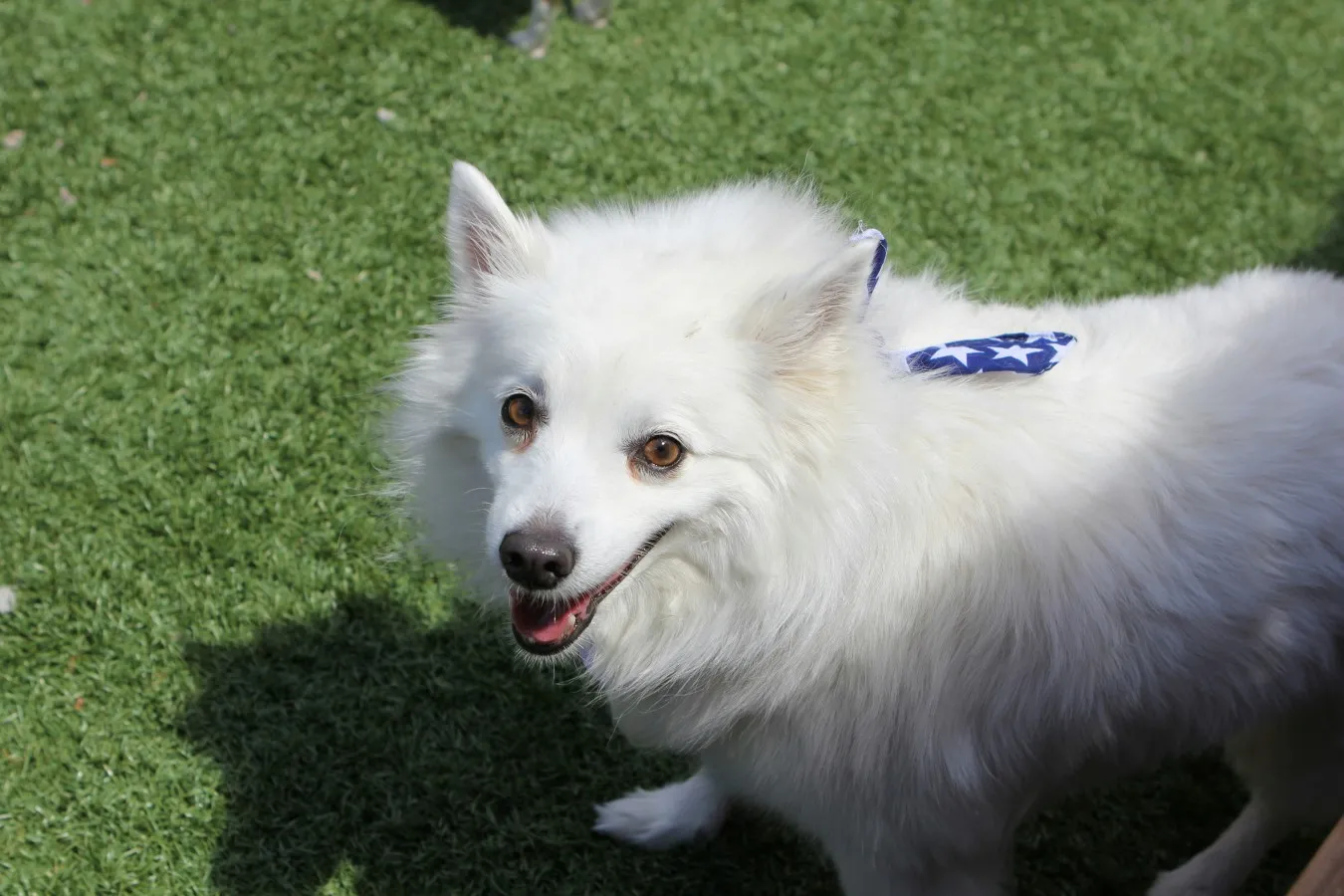
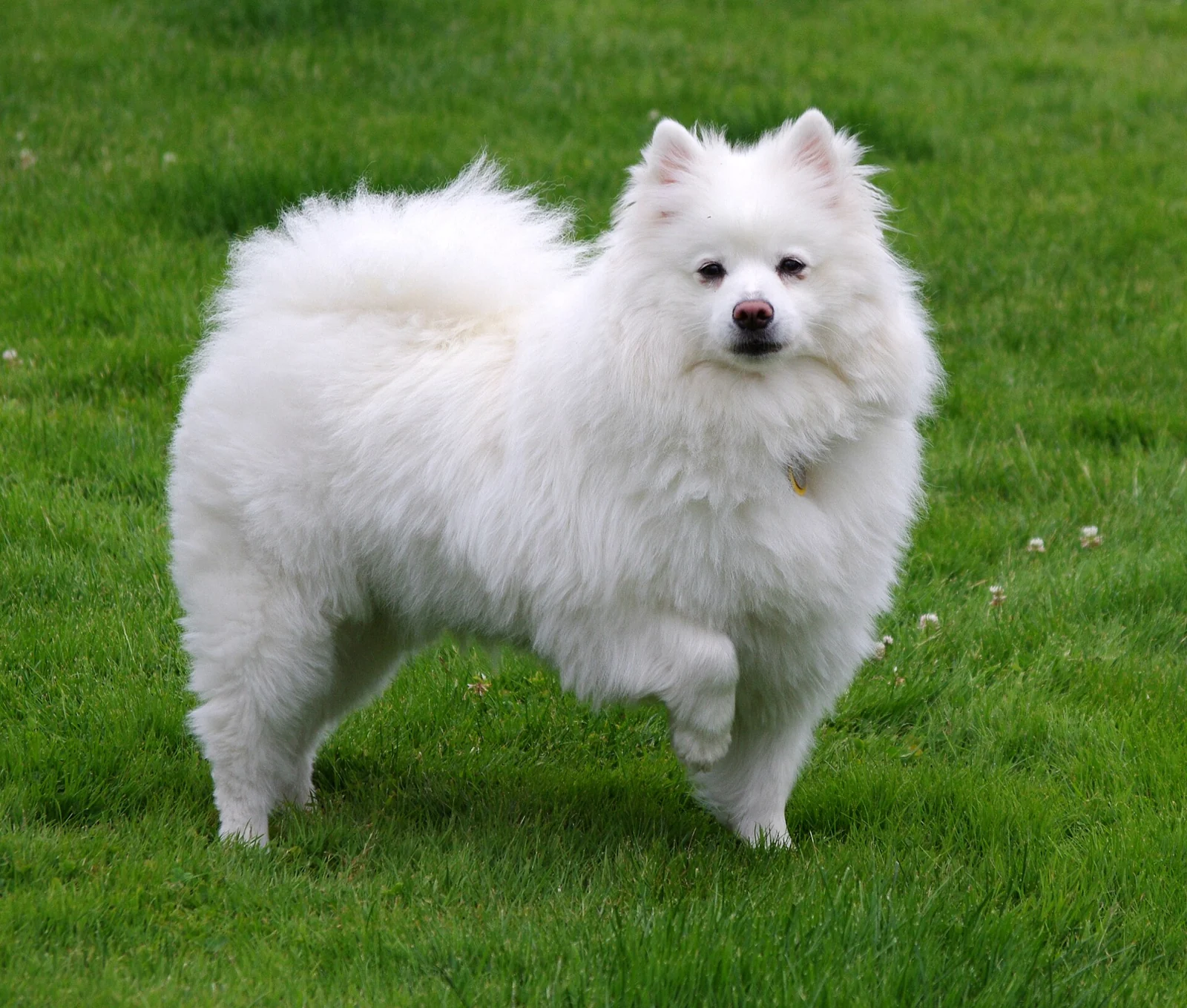
Meet the “Eskie”: a striking, smart, and social “smiling” dog who thrives on family time, clever tricks, and staying active with those they love.

BREED GROUP

Companion Dogs

Country of origin

United States

BREED SIZE

Small

BREED HEIGHT

15 -

19 IN

38 -

48 cm

BREED WEIGHT

6 -

35 LB

3 -

16 KG

WHAT YOU NEED TO KNOW

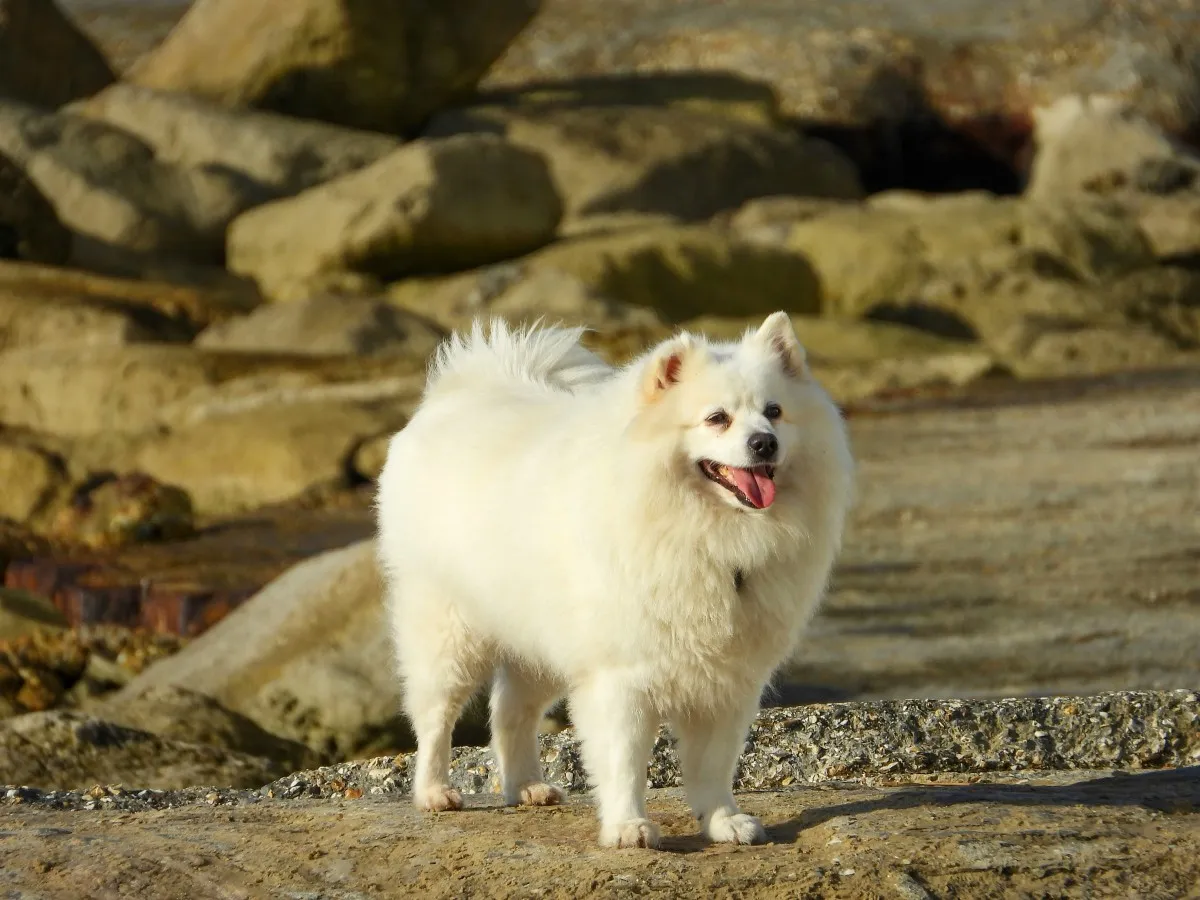
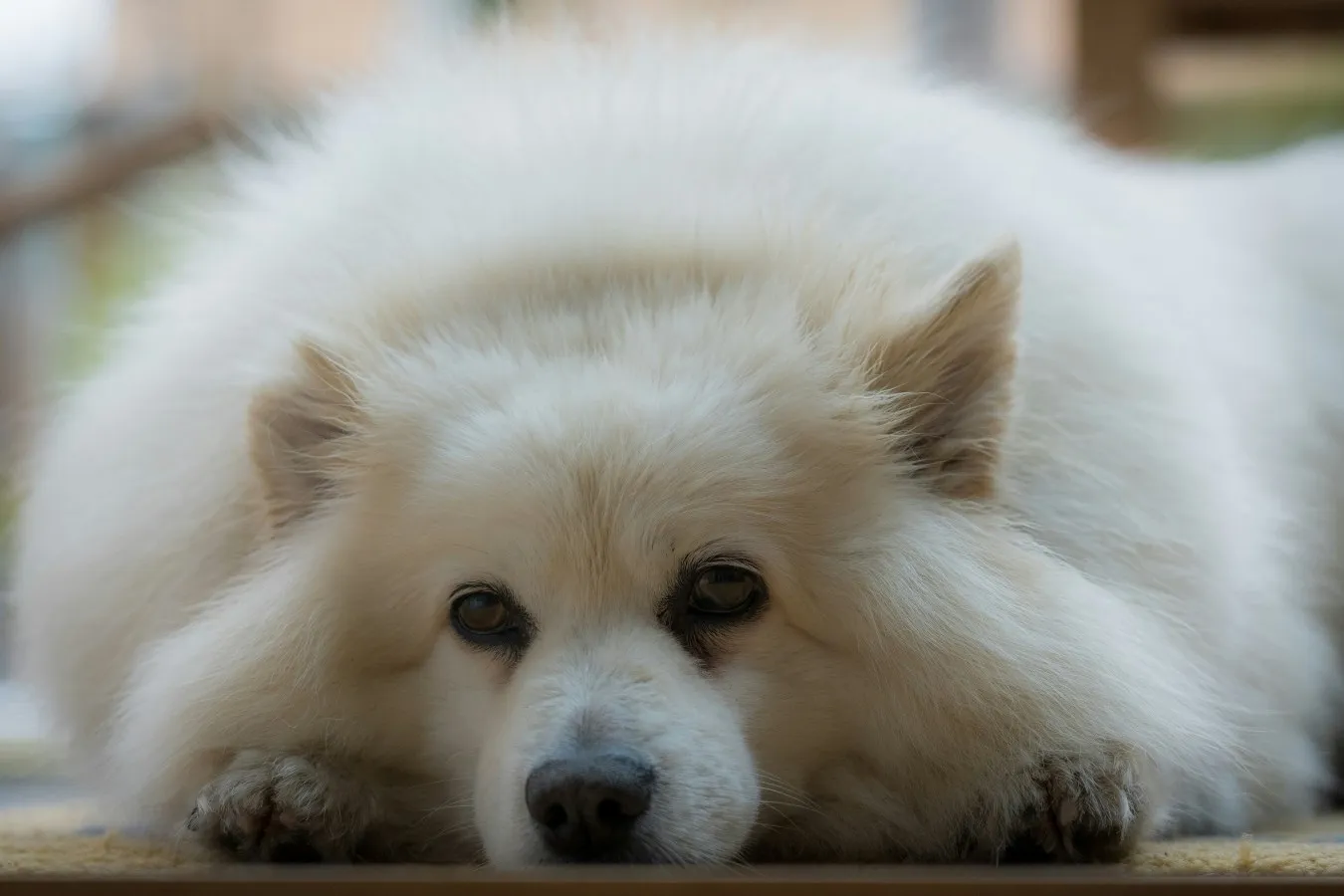
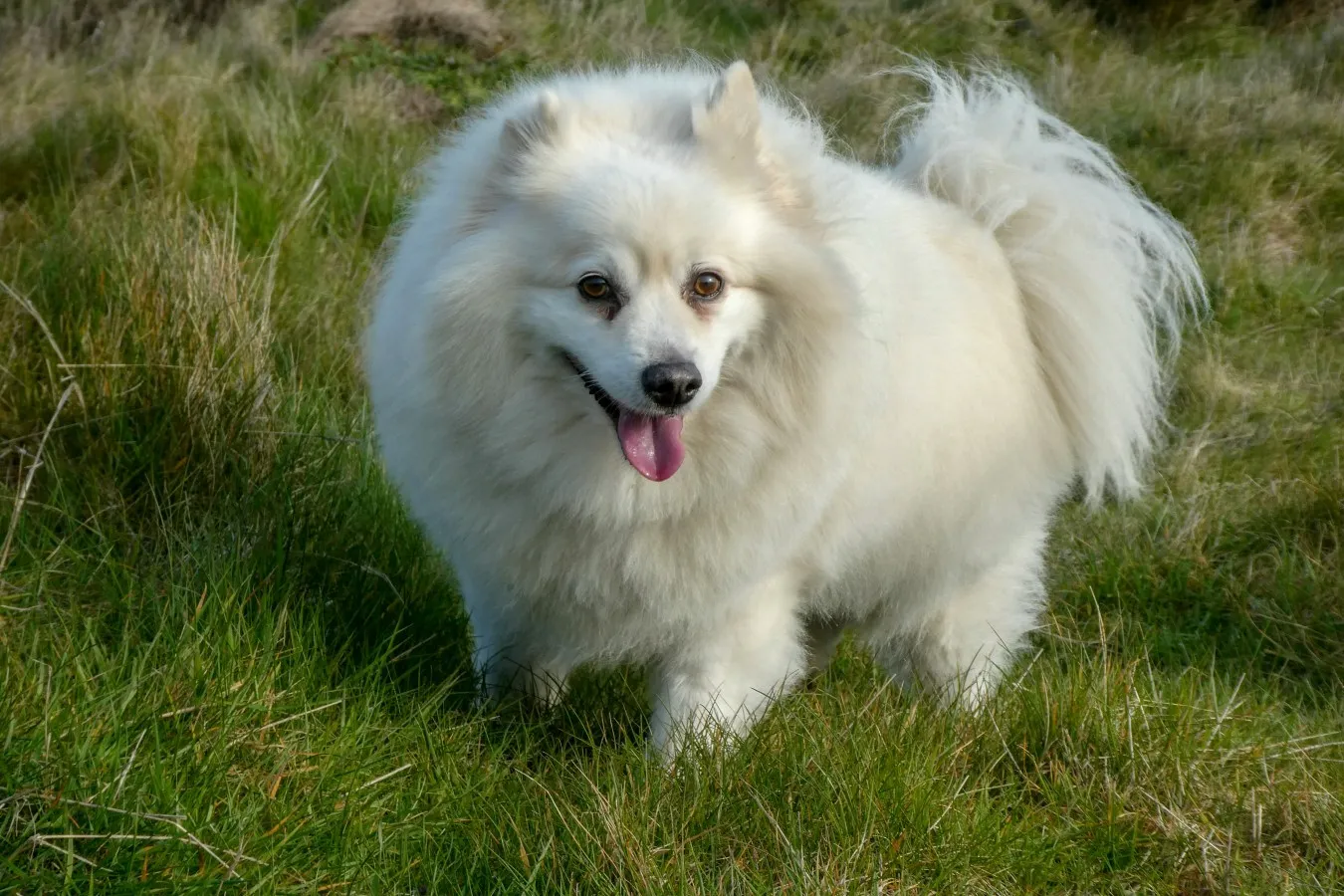
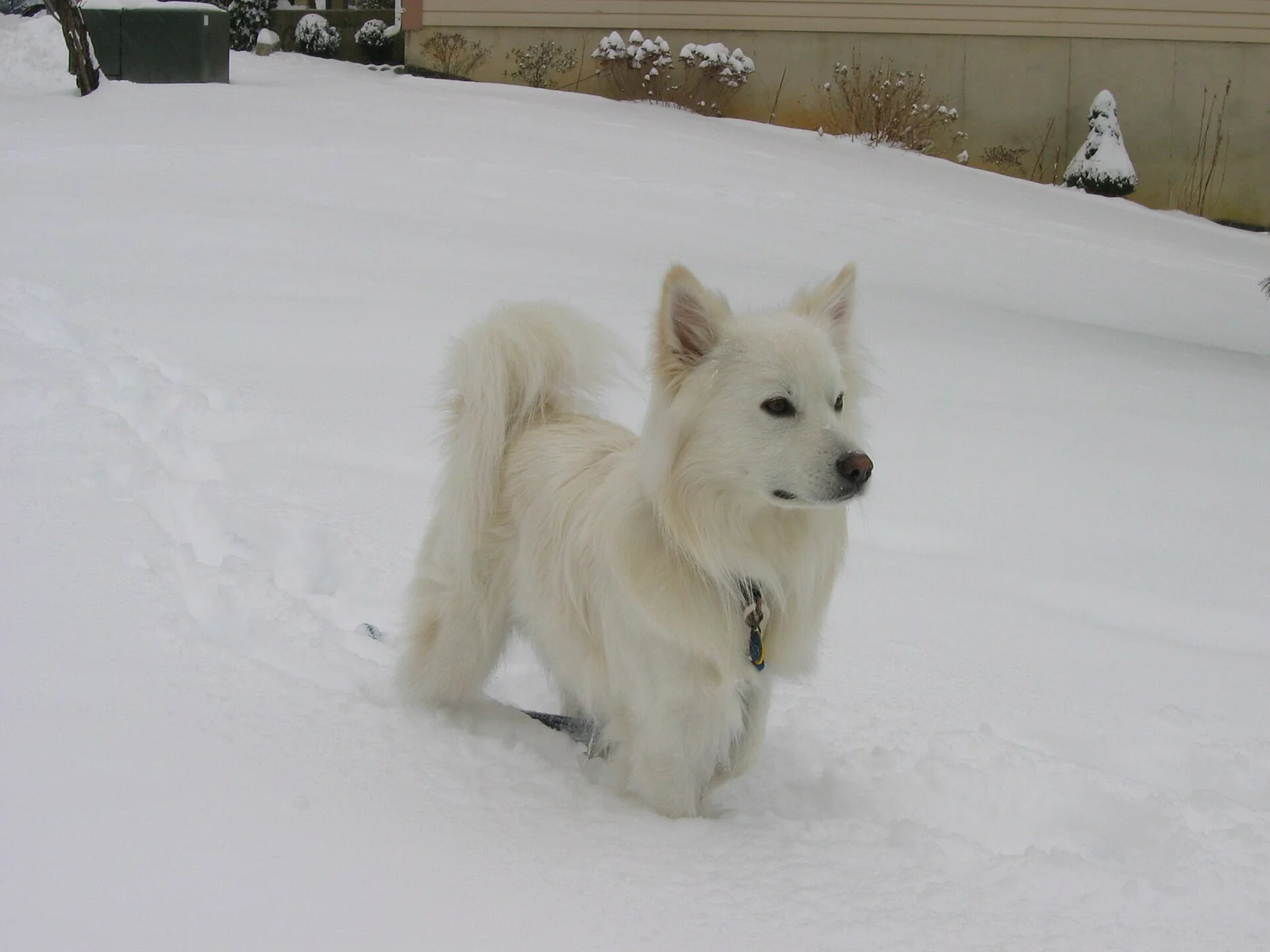
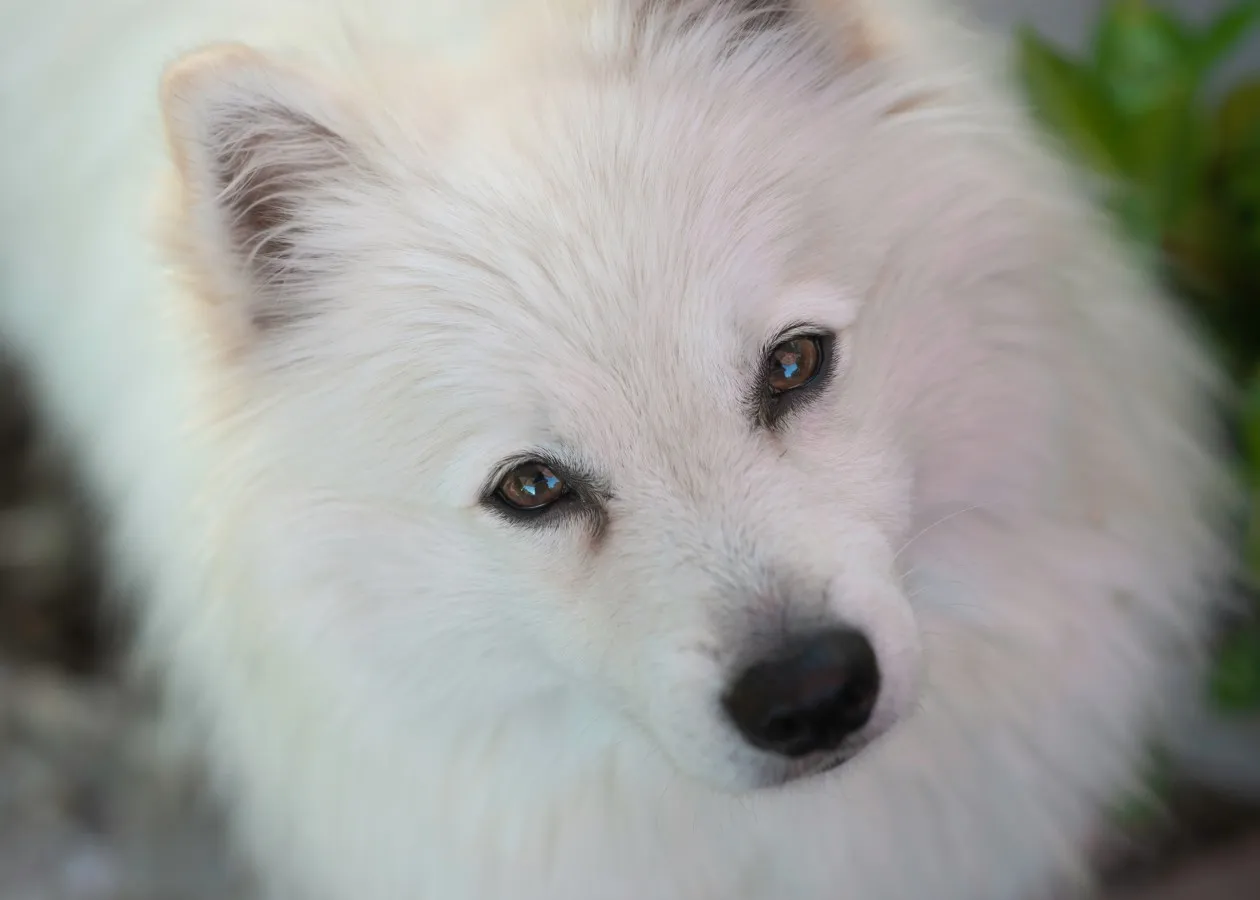
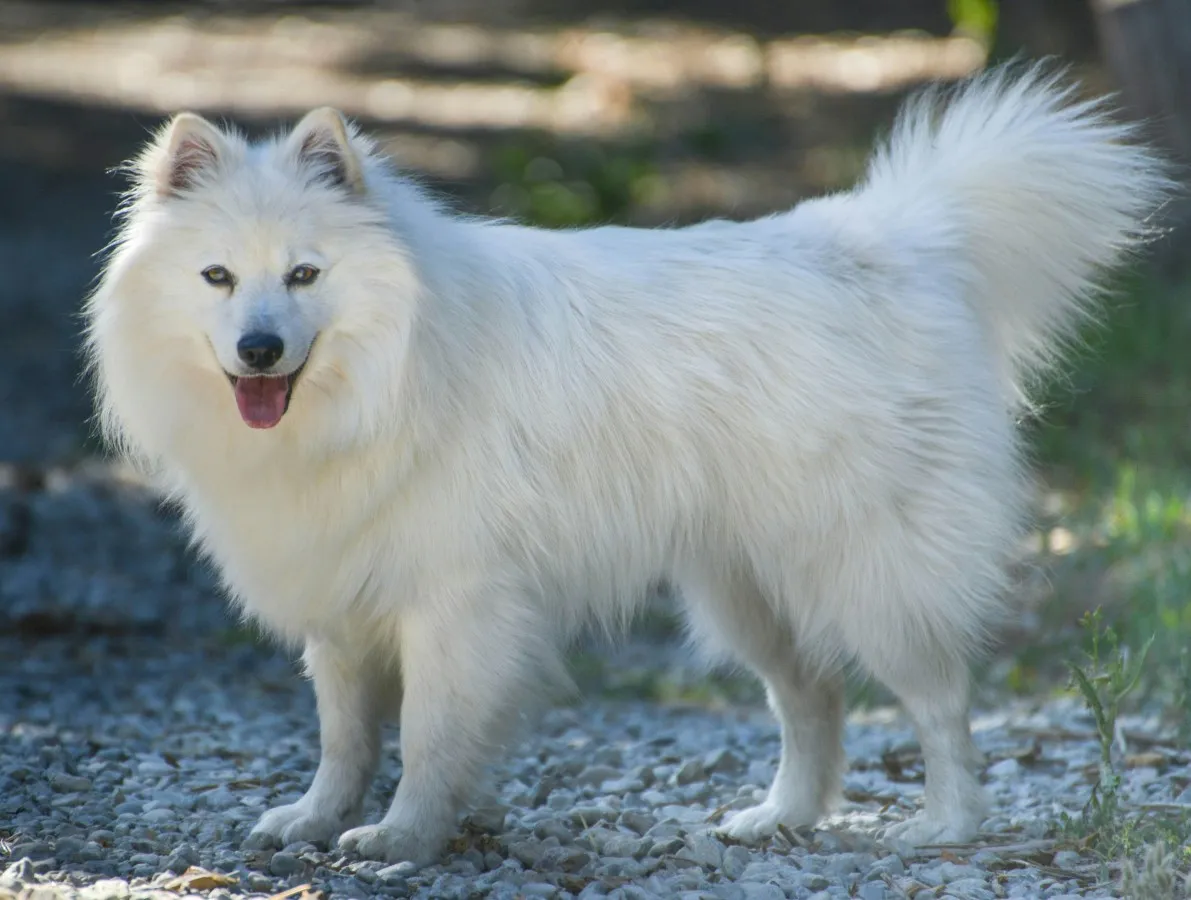
The American Eskimo Dog, or "Eskie," is a striking, white Spitz-type dog originating from the United States. They come in three distinct sizes: Toy, Miniature, and Standard. Known for their sparkling intelligence and agility, they were once popular circus performers. They have a lifespan of 13-15 years. Eskies are affectionate, energetic, and form deep bonds with their families. They have a thick double coat that requires regular brushing. They are alert and vocal, making excellent watchdogs. Highly trainable but requiring mental stimulation, they thrive in active homes that provide plenty of engagement.
american kennel club (AKC) recognition

Yes

Breed was recognized in 1994.

International Canine Federation (FCI) recognition

Yes

Breed was recognized in 1954.
WHAT DO OWNERS WANT TO KNOW?

Are American Eskimo Dogs good family dogs?

Very Good

8 out of 10

The American Eskimo Dog is an excellent family companion, known for being affectionate and forming deep, loyal bonds with its owners. Due to their energetic and social nature, they thrive in active households that can provide plenty of engagement and mental stimulation.

Good

8 out of 10

Eskies are generally good with children, especially if raised with them. They are playful and energetic. However, they can be sensitive to loud noises and rough handling, so they are often better suited for families with older, respectful children who understand how to interact properly.

Great

8 out of 10

They can be a good choice for first-time owners who are committed to training. Eskies are highly intelligent and eager to please, making them relatively easy to train. However, they require consistent mental and physical stimulation to prevent boredom and excessive barking.

Good

6 out of 10

While they can adapt to apartments, they are highly vocal and prone to alert barking, which may be a concern for neighbors.

Highly Recommended

8 out of 10

While a yard is not strictly required if they receive enough daily walks, a securely fenced yard is highly recommended. It provides a safe space for them to run, play fetch, and burn off their abundant energy, which helps keep them calm indoors.

Fair

3 out of 10

They are prone to separation anxiety and are not well-suited for owners who are away for long periods.

Great

8 out of 10

American Eskimo Dogs generally get along well with cats, especially when raised together from a young age. Their high intelligence and social nature help them form strong bonds with other family pets and adapt to multi-pet households. However, because they are alert and energetic, introductions should be gradual and supervised to ensure they learn to respect the cat's boundaries.

Calm

8 out of 10

American Eskimo Dogs are not considered an aggressive breed; they are typically friendly, alert, and social companions. While they are natural watchdogs that will bark at strangers to protect their territory, they are generally not threatening. Any signs of aggression or snappiness usually stem from lack of socialization, nervousness, or boredom due to insufficient mental and physical stimulation. Consistent training and early socialization ensure they remain well-adjusted and affectionate family members.

High

8 out of 10

American Eskimo Dogs are highly energetic and alert, requiring regular physical and mental stimulation to stay happy. They thrive on activity and can become bored or destructive if not given enough to do. Their playful, spunky nature makes them excellent partners for active families who enjoy interactive games and training.

~45 min a day

5 out of 10

American Eskimo Dogs require approximately 45 to 60 minutes of daily exercise, including brisk walks and vigorous play, to satisfy their high energy levels. Providing consistent mental stimulation through trick training and interactive puzzles is also crucial to keep these intelligent dogs engaged and prevent nuisance barking.

Poor

3 out of 10

American Eskimo Dogs are sensitive to heat due to their thick double coats, which are designed for insulation in cold climates. They are prone to overheating during strenuous activity in warm weather, so owners should provide constant access to fresh water, shade, and air conditioning. It is critical never to shave their double coat, as it protects their skin from sunburn and actually helps regulate their temperature; instead, limit outdoor exercise to the cooler parts of the day.

Poor

3 out of 10

American Eskimo Dogs are sensitive to heat due to their thick double coats, which are designed for insulation in cold climates. They are prone to overheating during strenuous activity in warm weather, so owners should provide constant access to fresh water, shade, and air conditioning. It is critical never to shave their double coat, as it protects their skin from sunburn and actually helps regulate their temperature; instead, limit outdoor exercise to the cooler parts of the day.

Moderate Risk

6 out of 10

American Eskimo Dogs are rarely subject to breed-specific bans, as they are not typically classified as aggressive breeds. Their small to medium size and intelligence make them generally acceptable for most rental environments. However, because they are vocal and prone to alert barking, always check specific apartment policies regarding noise or potential nuisance barking restrictions.

WHAT DO OWNERS WANT TO KNOW?


Photo
Reviewed by
Dr. Vojtech Gabriel
DVM · PhD · MBA
Veterinarian Researcher Dog breed specialist
Verified

"American Eskimo Dogs are a healthy breed, typically living 13-15 years. Vets advise monitoring for patellar luxation (slipping kneecaps), hip dysplasia, and progressive retinal atrophy (PRA), an eye condition. Dental care is crucial, especially for the smaller varieties, as they are prone to dental disease. Their thick coat requires regular brushing to prevent matting and skin infections. Maintaining a healthy weight is important to reduce stress on their joints."

Other Companion Dogs