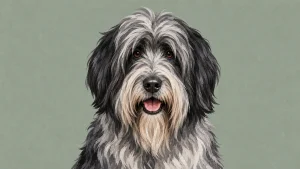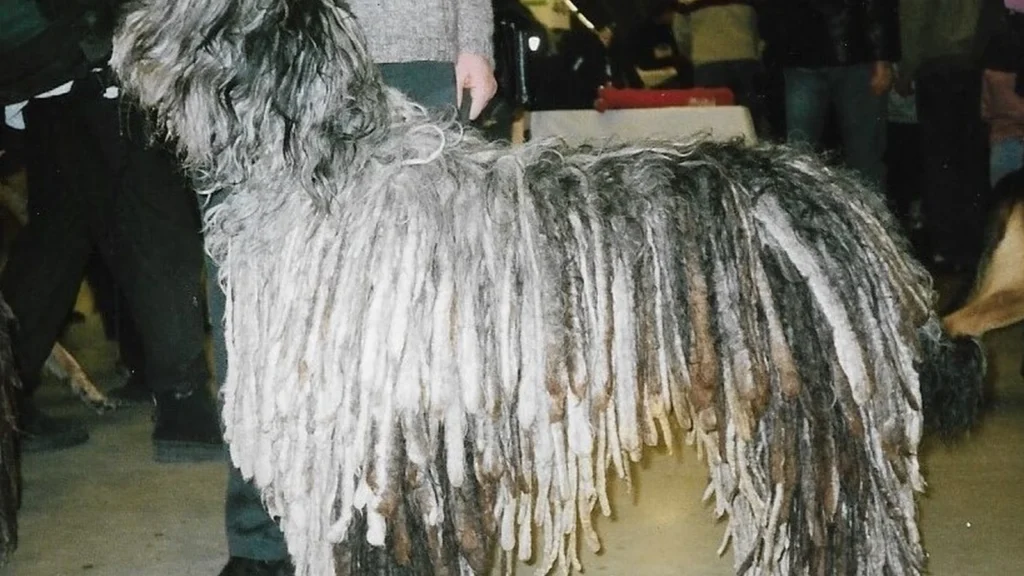
Bergamasco Sheepdog Training Profile
Breed Group
Herding Dogs
Country of Origin
Italy
Breed Size
Large
AKC Recognition
Yes, recognized in 2015
FCI Recognition
Yes, recognized in 1954
Mental stimulation needs
Very High9 / 10
Trainability
3 / 10
Picky eater
Good Eater7 / 10
Easy to train
Independent4 / 10
Training stubbornness
Somewhat Stubborn4 / 10
Puppy training
Below Average4 / 10
Training FAQ
Are Bergamasco Sheepdog easy to train?
Bergamasco Sheepdogs are highly intelligent and eager to please, making them relatively easy to train for owners who establish mutual respect. Their history as independent problem-solvers means they respond best to positive reinforcement and clear logic. While they are agreeable, they require patient, consistent leadership to thrive.
Easy to train: 4 / 10
Are Bergamasco Sheepdog stubborn to train?
Bergamasco Sheepdogs are highly intelligent and independent thinkers, which can result in a somewhat stubborn streak during training. Bred to make decisions without human guidance, they may question commands if they see no purpose. Success requires patient, consistent leadership and positive reinforcement rather than repetitive drills or harsh methods.
Training stubbornness: 4 / 10
How do you train a Bergamasco Sheepdog puppy?
Train Bergamasco Sheepdog puppies using logic-based sessions and positive reinforcement. Focus on establishing mutual respect rather than repetitive drills, as their independent nature requires understanding the purpose of commands. Prioritize early socialization to various environments and people. Maintain a consistent routine and provide interactive puzzle toys to satisfy their problem-solving instincts while ensuring a cool environment to prevent overheating.
Puppy training: 4 / 10
How difficult is potty training in Bergamasco Sheepdog?
Potty training a Bergamasco Sheepdog typically takes 4 to 6 months. While they are highly intelligent and eager to please, their independent nature as problem-solvers means success relies on establishing mutual respect through a consistent routine and positive reinforcement. Patient leadership is essential to ensure these agreeable dogs master housebreaking effectively.
Potty training difficulty: 5 / 10
How many walks does a Bergamasco Sheepdog need?
Bergamasco Sheepdogs require at least one hour of physical exercise daily, though they have the stamina to enjoy much more. As a mountain-living working breed, they thrive on a mix of brisk walks, long hikes, and activities like herding or agility. To prevent boredom and keep them healthy, supplement their physical activity with daily mental stimulation through training and puzzle games.
Walking need: 7 / 10
What is the best daily routine for a Bergamasco Sheepdog?
A Bergamasco Sheepdog's daily routine should focus on moderate physical activity and meaningful mental engagement. Provide 1 to 2 hours of exercise, ideally through long brisk walks, hiking, or active yard play. Feed adults twice daily and puppies three times to maintain health and energy. Essential daily care includes short, logic-based training sessions using positive reinforcement and providing interactive puzzle toys to satisfy their independent problem-solving nature. Ensure they spend significant time with the family to prevent loneliness and have access to a cool environment to avoid overheating.
Routine need: 7 / 10
Vet Insights
Bergamasco Sheepdogs are highly intelligent, independent thinkers that thrive with patient leadership and logic-based training. They require approximately one to two hours of daily exercise, including hikes or herding activities. While generally cooperative, their autonomous nature can lead to stubbornness. A consistent routine focusing on mental stimulation, early socialization, and heat management ensures these loyal, protective companions flourish.