Bluetick Coonhound Training Profile
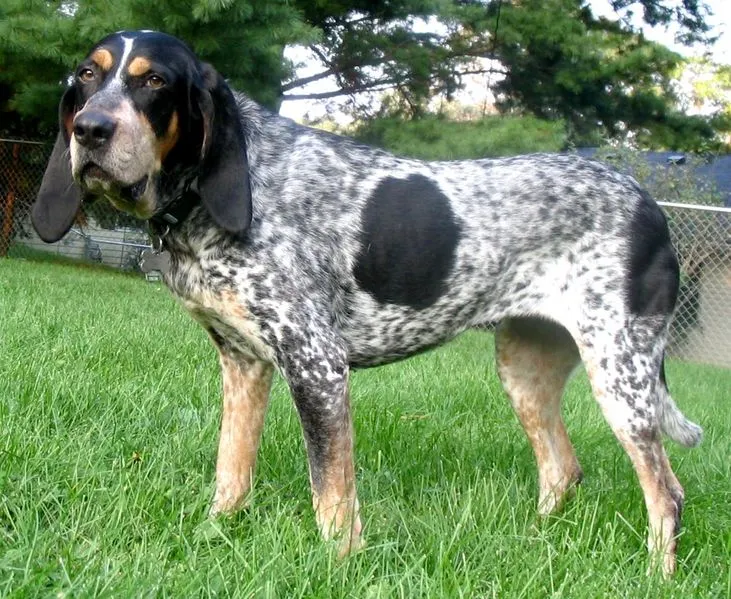
Bluetick Coonhounds are sensitive and intelligent but notoriously stubborn, requiring firm and patient leadership. They are easily distracted by scents, so training sessions should be short and use high-value, smelly treats. Early socialization and consistent obedience are vital. While potty training is challenging, pairing commands with gestures and maintaining clear routines ensures success.
TRAINABILITY
Stubborn
3 out of 10
MENTAL STIMULATION NEEDS
Above Average
7 out of 10
LOVE FOR GRUB
Selective
4 out of 10
TRAINING FAQ
Are Bluetick Coonhounds easy to train?
Independent
4 out of 10
Bluetick Coonhounds are intelligent and loyal, but they are famously independent thinkers with a stubborn streak. Originally bred for independent hunting, they are often more focused on following scents than commands, which can make training challenging. They respond best to consistent, firm leadership and positive reinforcement using high-value treats to manage their selective hearing.
Are Bluetick Coonhounds stubborn?
Stubborn
3 out of 10
Bluetick Coonhounds are independent scent hounds with a notable stubborn streak rooted in their hunting heritage. Bred to work at a distance from handlers, they often prioritize interesting smells over commands and may ignore requests if they don’t see a clear benefit. Success requires a patient leader who uses consistent positive reinforcement and high-value, smelly treats to keep them engaged and motivated to choose their owner over a scent trail.
How to train a Bluetick Coonhound puppy?
Average
6 out of 10
Train your Bluetick Coonhound puppy using short, positive reinforcement sessions with high-value, smelly treats to overcome their scent-driven distractions. Prioritize early socialization and consistent obedience training. Use firm, patient leadership and pair commands with gestures, as these sensitive hounds respond best to clear routines and energy-based communication.
How difficult is to potty train a Bluetick Coonhound puppy?
Challenging
3 out of 10
Potty training a Bluetick Coonhound typically takes between 6 to 10 months, though some independent thinkers may take up to 12 months to achieve full reliability. Success requires a rigorous, consistent routine with outdoor breaks every two hours and high-value rewards for success. Owners must exercise extreme patience and avoid punishment, as these sensitive scent hounds can easily become distracted or anxious during the process.
How many walks does a Bluetick Coonhound need?
Very High
9 out of 10
Bluetick Coonhounds are high-energy working dogs that require significant daily exercise, typically totaling 1 to 2 hours. They benefit from at least two or three brisk walks supplemented by activities like hiking or scent-tracking games to satisfy their endurance and natural hunting instincts. Because of their strong prey drive and tendency to follow scent trails, they should always be kept on a leash or within a securely fenced area during exercise.
What is the best daily routine for a Bluetick Coonhound?
Very High
9 out of 10
A Bluetick Coonhound’s daily routine should focus on high physical activity and scent-based mental stimulation. Provide 1.5 to 2 hours of exercise daily, including brisk walks and opportunities for sniffing, tracking, or nose work. Feed adults twice daily and monitor portions to prevent obesity, a common concern for this breed. Essential daily care includes checking their long ears for infection and incorporating 15-minute training sessions using positive reinforcement and high-value treats. These hounds thrive when included in family activities and require a secure, fenced yard to prevent scent-driven wandering.
VET INSIGHTS
Bluetick Coonhounds are intelligent yet stubborn scent hounds requiring patient leadership. They need one to two hours of daily exercise and scent-based stimulation. Potty training is challenging, potentially taking eighteen months. Their routine emphasizes high physical activity, ear maintenance, and short training sessions with high-value treats to overcome scent distractions while managing their independent, selective nature.

Reviewed by
Dr. Vojtech Gabriel
DVM · PhD · MBA
Veterinarian
Researcher
Dog breed specialist
✓
Verified