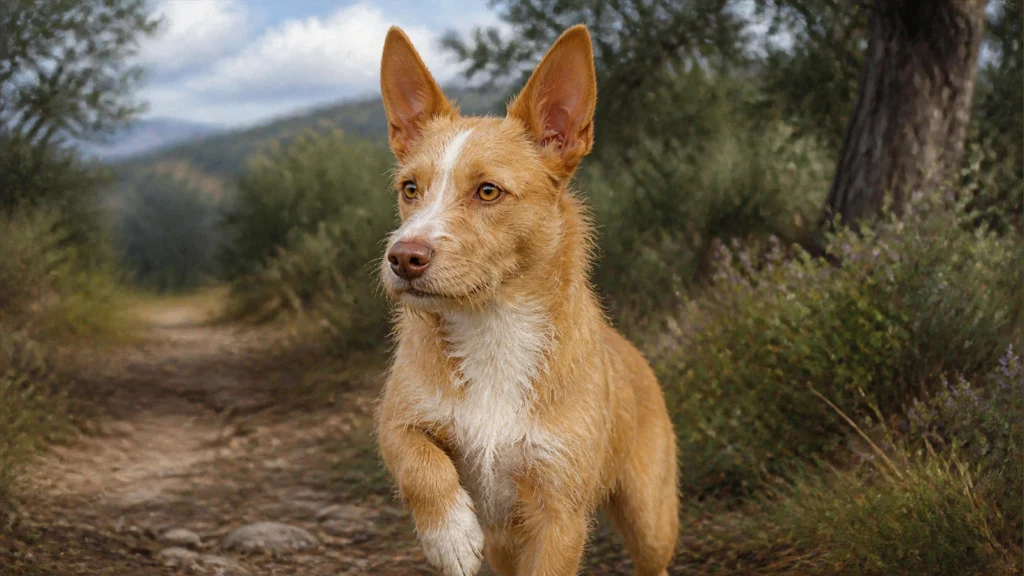
Portuguese Podengo Pequeno Training Profile
Breed Group
Toy Dogs
Country of Origin
Portugal
Breed Size
Toy
AKC Recognition
Yes, recognized in 2013
FCI Recognition
Yes, recognized in 1954
Mental stimulation needs
Below Average4 / 10
Trainability
3 / 10
Picky eater
Selective4 / 10
Easy to train
Moderate6 / 10
Training stubbornness
Somewhat Stubborn4 / 10
Puppy training
Moderate5 / 10
Training FAQ
Are Portuguese Podengo Pequeno easy to train?
Portuguese Podengo Pequenos are highly intelligent and eager to please, making them relatively easy to train for those who understand their independent nature. While they learn quickly, their hunting instincts can lead to occasional stubbornness. Success relies on short, fun, and reward-based sessions that keep these lively dogs mentally engaged and motivated to cooperate.
Easy to train: 6 / 10
Are Portuguese Podengo Pequeno stubborn to train?
Portuguese Podengo Pequenos are intelligent yet independent thinkers, which can occasionally manifest as a stubborn streak. Their strong hunting instincts make them easily distracted by scents, and they may choose to follow their own agenda over commands. To succeed, owners should use consistent, reward-based training and keep sessions varied to prevent this clever breed from becoming bored or uninterested.
Training stubbornness: 4 / 10
How do you train a Portuguese Podengo Pequeno puppy?
Train your Portuguese Podengo Pequeno puppy using positive reinforcement and early socialization to manage their independent nature and potential wariness of strangers. Focus on short, engaging sessions with treats and praise to channel their high intelligence. Establish clear boundaries and a consistent routine to build trust.
Puppy training: 5 / 10
How difficult is potty training in Portuguese Podengo Pequeno?
Potty training a Portuguese Podengo Pequeno can be challenging and time-consuming due to their independent nature and small bladders. Success requires a consistent routine, frequent outdoor breaks, and positive reinforcement. Using a crate or a specialized indoor training system can help overcome their independent streak and speed up the housebreaking process.
Potty training difficulty: 3 / 10
How many walks does a Portuguese Podengo Pequeno need?
Portuguese Podengo Pequenos are energetic dogs that require around 1 to 2 hours of exercise daily. This should include brisk walks and playtime in a secure area to satisfy their hunting instincts. Because of their high prey drive, they must remain on a lead unless in a safely fenced space.
Walking need: 7 / 10
What is the best daily routine for a Portuguese Podengo Pequeno?
A Portuguese Podengo Pequeno's daily routine should focus on managing high energy and intelligence. Provide at least 30 to 60 minutes of daily exercise through brisk walks, play, or dog sports like agility, and include mental stimulation using puzzle toys or scent games to prevent boredom. Feed adults twice daily and puppies three to four times a day with high-quality food to support their metabolism. Daily care should include brief, positive training sessions and basic hygiene like teeth brushing, while weekly grooming is sufficient for coat maintenance. Ensure they have a secure, fenced area for safe exploration and plenty of time for family companionship.
Routine need: 7 / 10
Vet Insights
Portuguese Podengo Pequenos are intelligent, independent hunters requiring patient, reward-based training. They have high exercise needs, needing 60 to 90 minutes of daily activity to manage their energy. Potty training can be challenging due to their small size and stubbornness. Their care routine emphasizes mental stimulation, secure environments for their prey drive, and consistent positive reinforcement.