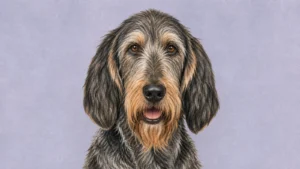
Westphalian Dachsbracke Training Profile
The Westphalian Dachsbracke is a highly cooperative and eager breed, making them exceptionally easy to train. They excel in puppyhood lessons and typically master potty training with ease. These dogs require moderate daily exercise and moderately high mental stimulation to remain satisfied. Their biddable nature ensures a smooth training experience for owners who provide consistent guidance.
TRAINABILITY
Very Easy
9 out of 10
MENTAL STIMULATION NEEDS
Below Average
4 out of 10
LOVE FOR GRUB
Average
6 out of 10
TRAINING FAQ
Are Westphalian Dachsbrackes easy to train?
Eager
9 out of 10
Westphalian Dachsbrackes are exceptionally intelligent and eager to please, making them very easy to train. They are naturally cooperative and respond brilliantly to positive reinforcement, quickly mastering new commands and complex tasks. While they possess a focused hunting drive, consistent leadership and reward-based methods ensure they remain responsive and well-mannered companions.
Are Westphalian Dachsbrackes stubborn?
Very Cooperative
9 out of 10
Westphalian Dachsbrackes are exceptionally intelligent but possess a notoriously stubborn streak that requires firm, consistent leadership. Originally bred for independent hunting, they often prefer their own agenda and can be quite obstinate if they do not see a clear reason to obey. To succeed, owners must use positive reinforcement and high-value rewards, as these dogs respond best when they are convinced that cooperating is in their own interest.
How to train a Westphalian Dachsbracke puppy?
Very Good
9 out of 10
Train your Westphalian Dachsbracke puppy using short, positive reinforcement-based sessions. Focus on early socialization with people and other pets to manage their hunting instincts. While they are intelligent and eager to please, they can possess an independent streak, so use a firm, consistent hand and plenty of patience. Incorporate play and praise to keep this active breed engaged and prevent stubbornness during their development.
How difficult is to potty train a Westphalian Dachsbracke puppy?
Easy
9 out of 10
Potty training a Westphalian Dachsbracke is typically easy and straightforward, as they are eager to please and very cooperative. Success is best achieved through a consistent schedule, frequent outdoor breaks, and the use of positive reinforcement. Their intelligent and attentive nature allows them to quickly grasp house rules when provided with a clear routine and a dedicated crate to encourage their natural cleanliness.
How many walks does a Westphalian Dachsbracke need?
Extreme Needs
10 out of 10
Westphalian Dachsbrackes are high-energy dogs that require a significant amount of exercise to stay healthy and avoid destructive behaviors. They typically need about 2 hours of daily activity, which should include long, brisk walks rather than just short strolls. Due to their strong hunting instincts, they should always be kept on a leash during walks to prevent them from chasing scents.
What is the best daily routine for a Westphalian Dachsbracke?
Moderate Low
5 out of 10
A Westphalian Dachsbracke’s daily routine should focus on intense physical activity and scent-based mental stimulation. Provide at least 120 minutes of exercise daily, including two long, brisk walks or jogs supplemented with tracking games or nose work to satisfy their hunting instincts. Feed adults high-quality, high-protein food twice daily, being careful to monitor portions to prevent obesity. Essential daily care includes checking their medium-length drop ears for infection and a quick brushing to manage their dense coat. Maintain a firm, consistent routine with short training sessions using positive reinforcement to manage their occasional stubbornness and prevent destructive boredom.
VET INSIGHTS
Westphalian Dachsbrackes are intelligent, cooperative, and easy to train, though they possess an independent hunting drive. They require two hours of daily exercise, including brisk walks and scent-based mental stimulation. Potty training is straightforward with a consistent routine. Care involves monitoring their high-protein diet, regular ear checks for infection, and managing their dense coat through frequent brushing.


Reviewed by
Dr. Vojtech Gabriel
DVM · PhD · MBA
Veterinarian
Researcher
Dog breed specialist
✓
Verified