Skip to content

Akita Husky - MAIN HUB

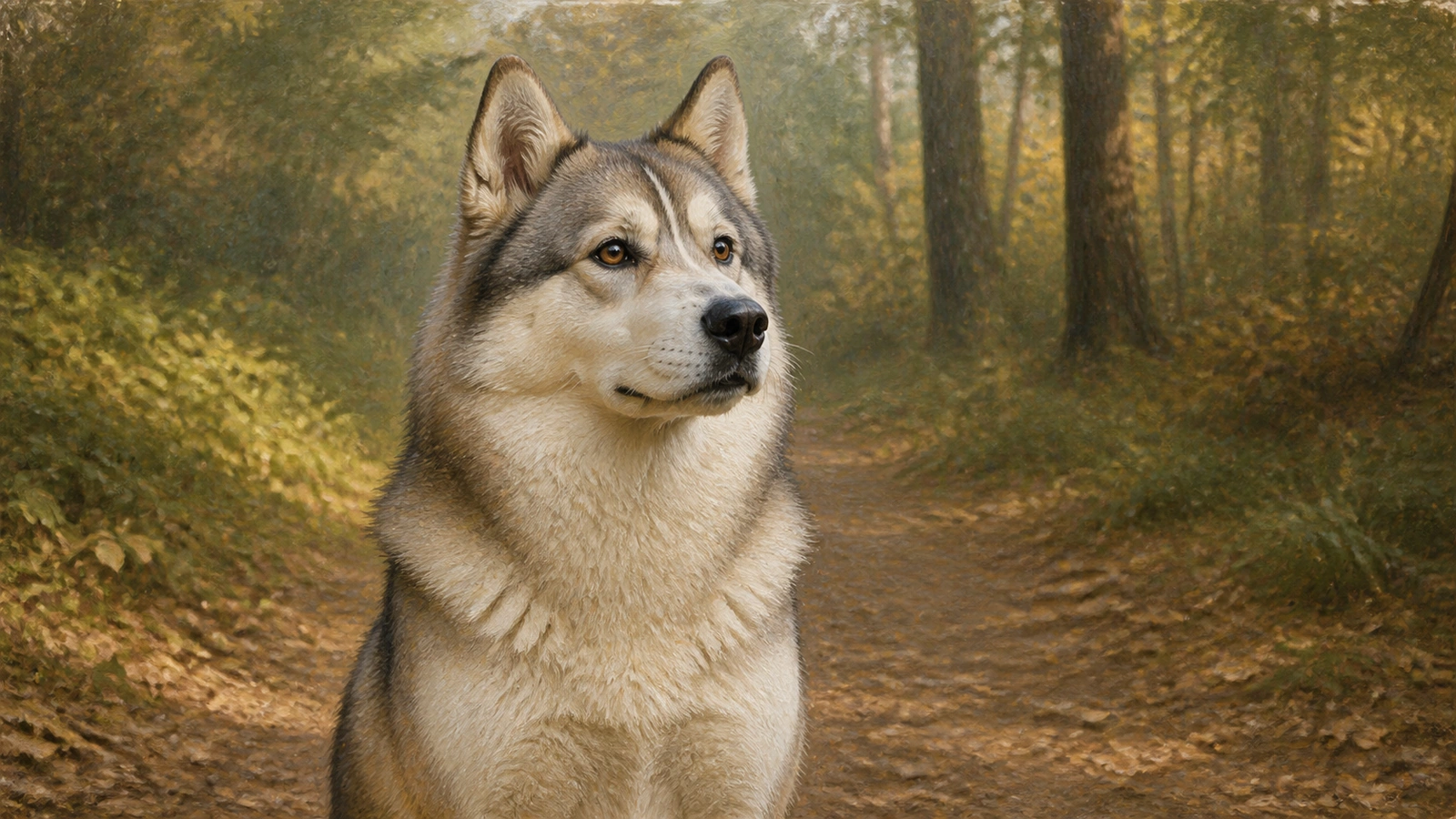
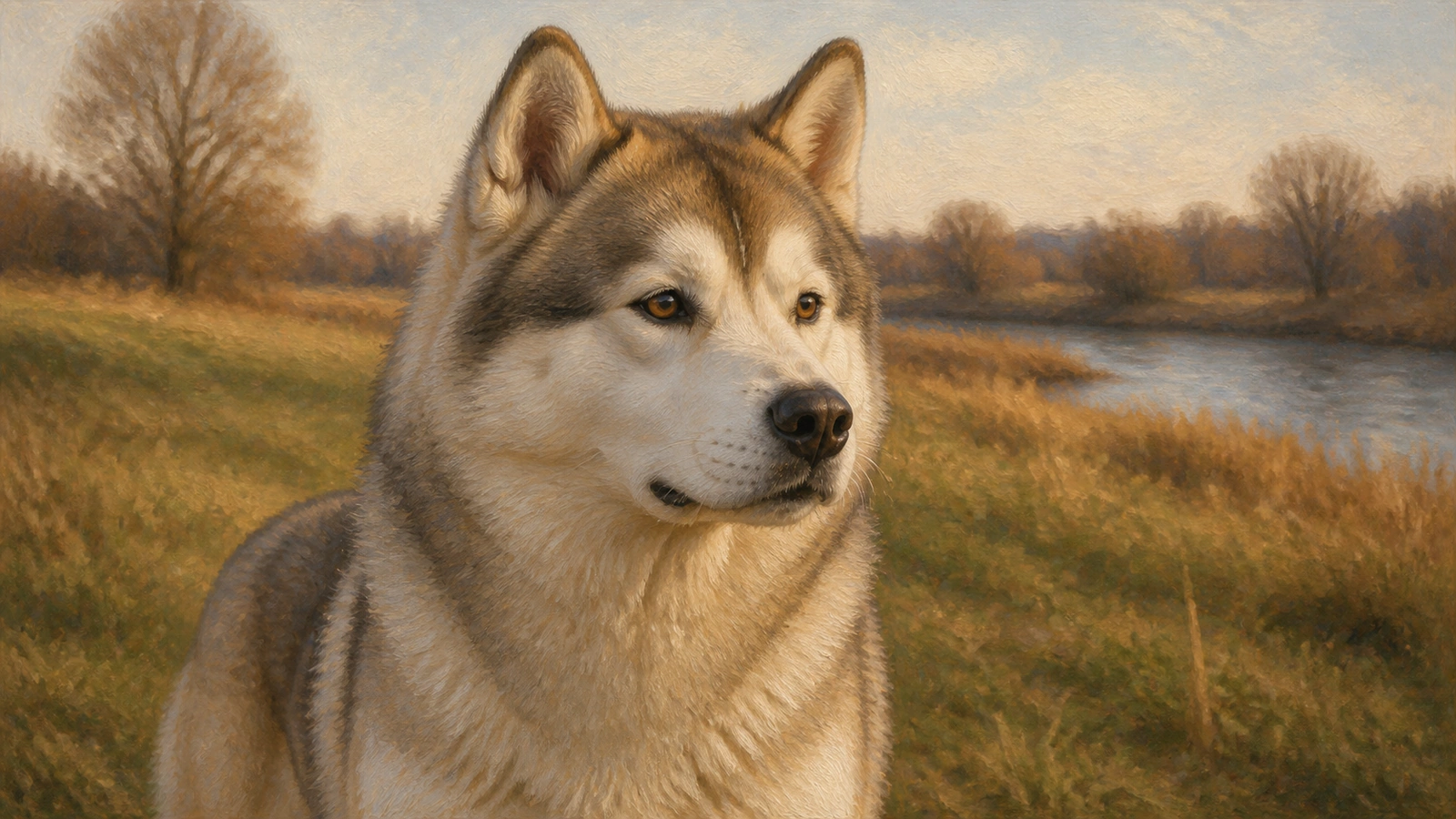
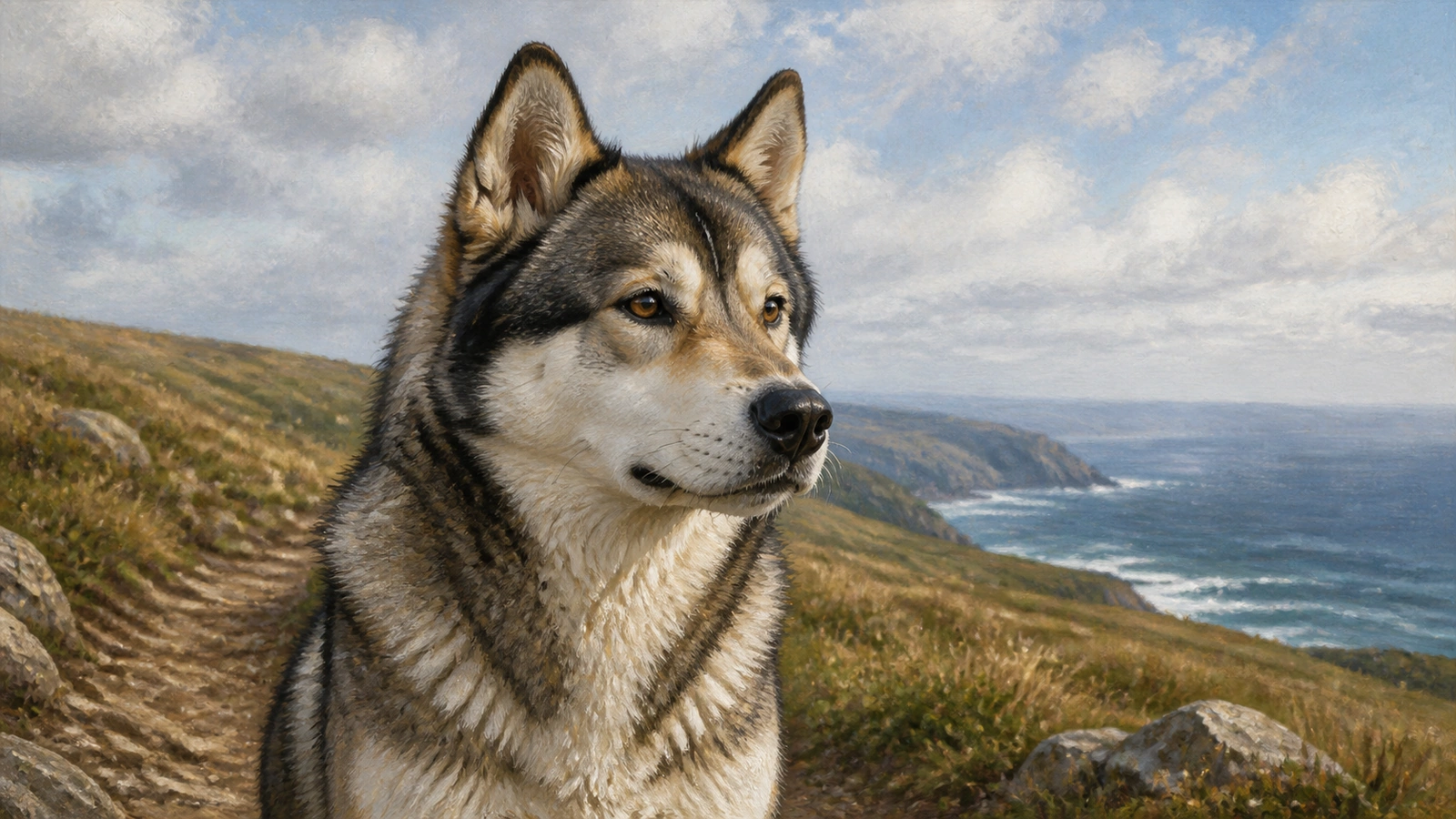
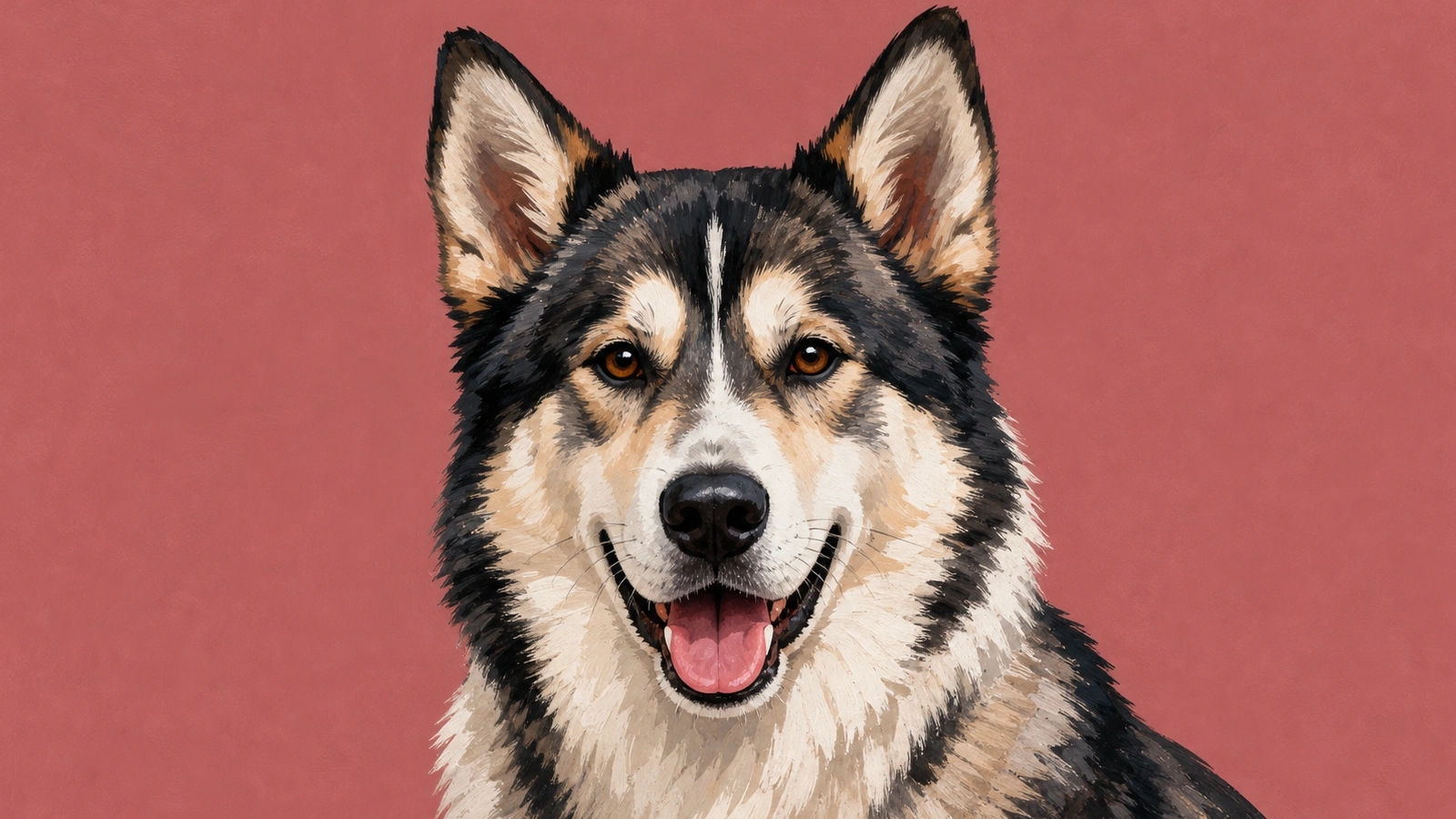
A powerful, loyal, and energetic companion, the Akita Husky blends protective instincts with a playful spirit—perfect for active, loving homes.

BREED GROUP

Hybrid Dogs

Country of origin

United States

BREED SIZE

Large

BREED HEIGHT

22 -

25 IN

56 -

64 cm

BREED WEIGHT

50 -

75 LB

23 -

34 KG

WHAT YOU NEED TO KNOW

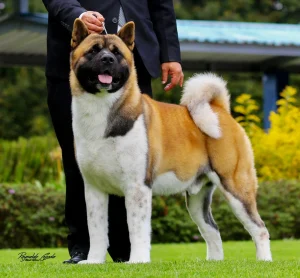
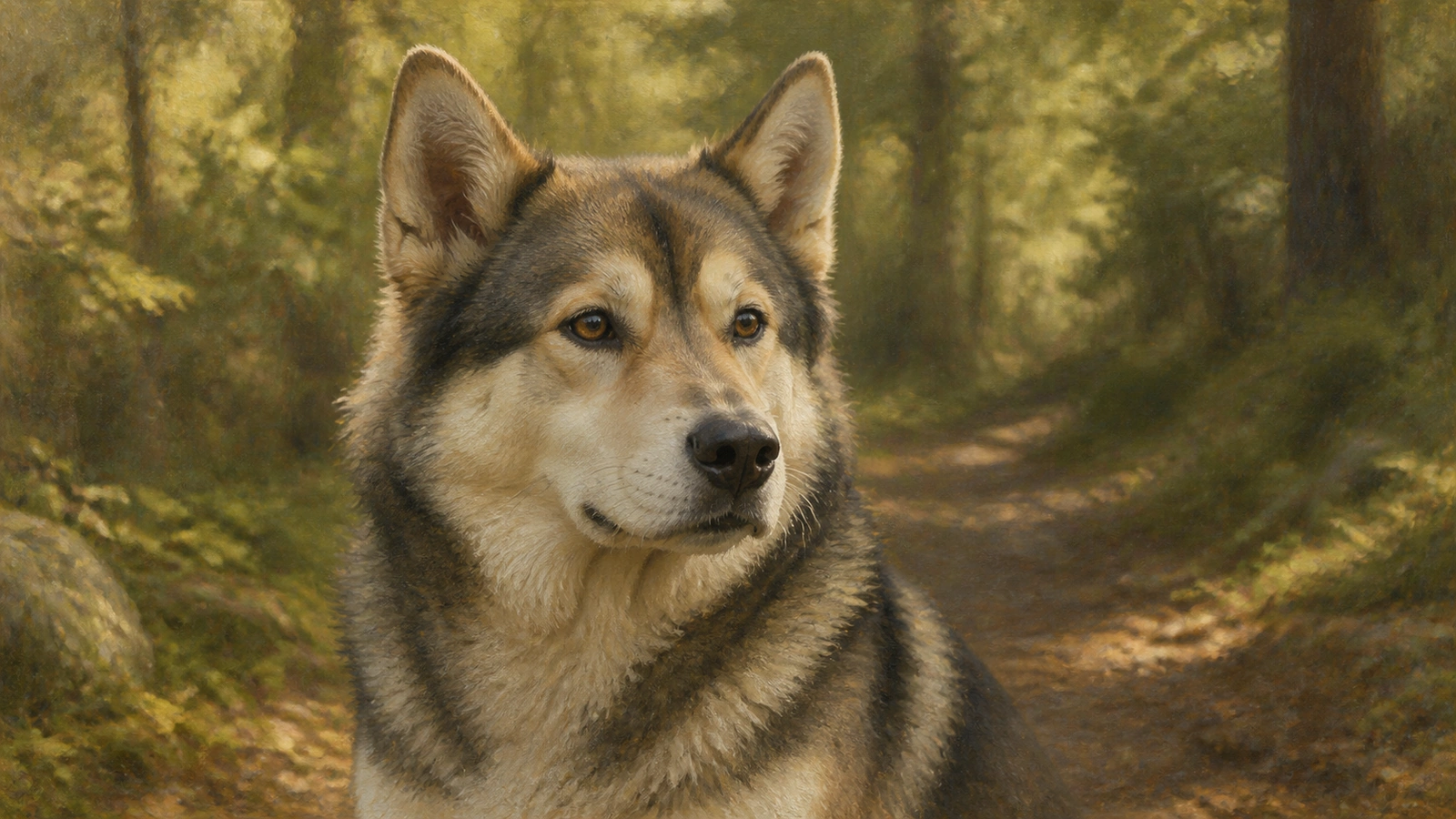
The Akita Husky, or Huskita, is a powerful and loyal designer crossbreed from the United States. Combining the Siberian Husky’s playfulness with the Akita’s noble, protective nature, these large dogs typically live 10-13 years and weigh 50-75 pounds. They possess a thick double coat and require high daily exercise to manage their significant energy levels. While deeply affectionate with family, they can be independent and wary of strangers. Consistent training and early socialization are essential for owners to navigate their strong guarding instincts and high prey drive.
american kennel club (AKC) recognition

No

Breed was recognized in 0.

International Canine Federation (FCI) recognition

No

Breed was recognized in 0.
WHAT DO OWNERS WANT TO KNOW?

Are Akita Huskies good family dogs?

Below Average

3 out of 10

The Akita Husky is a deeply affectionate and loyal companion that can be an excellent family dog for active households. However, their large size and high energy levels require significant daily exercise and consistent training to manage their protective instincts. They are best suited for families who can provide early socialization and the structured leadership needed for such a powerful and independent breed.

Fair

3 out of 10

Akita Huskies can be good with children, especially when raised with them from puppyhood, but their large size and high energy require close supervision. They are loyal and protective family companions that typically do best with older, respectful children who understand how to interact with large dogs. Consistent training and early socialization are vital to ensure they remain patient and well-behaved around the unpredictable energy of kids.

Not Recommended

1 out of 10

Akita Huskies are generally not recommended for first-time owners because they combine the independent, stubborn traits of both parent breeds with powerful protective instincts. Success requires an experienced owner capable of providing firm leadership, consistent training, and extensive early socialization to manage their high energy and potential wariness of strangers.

Fair

3 out of 10

Akita Huskies can adapt to apartment living with significant effort, but they are not naturally suited for small spaces. Their large size, high energy, and vocal nature—inherited from the Siberian Husky—can lead to frustration and destructive behavior if they are not provided with at least 75 minutes of vigorous daily exercise and mental stimulation. Additionally, they are frequently subject to breed-specific bans in rental complexes due to the reputation of their parent breeds.

Recommended

7 out of 10

A yard is not strictly required for an Akita Husky, but it is highly recommended due to their large size and high energy levels. While they can adapt to apartment living if provided with 60 to 90 minutes of vigorous daily exercise like hiking or running, a securely fenced yard is a bonus that allows these athletic dogs to burn off energy safely and satisfies their instinct to roam.

Fair

3 out of 10

Akita Huskies can manage moderate periods of solitude but are prone to separation anxiety if left alone for extended periods without mental stimulation. While they inherit some of the Akita’s independent nature, their Siberian Husky heritage makes them highly social and active. To prevent destructive behaviors like chewing or excessive howling, owners should provide vigorous exercise before departures and leave engaging puzzle toys to occupy their intelligent minds.

Average

5 out of 10

Akita Huskies can coexist with cats, especially when raised together from puppyhood, but their high prey drive makes them a risky choice for multi-pet homes. While some form harmonious bonds through early socialization and consistent training, they may still instinctively chase smaller animals. Constant supervision and providing safe, high retreats for cats are essential to ensure a peaceful household.

Protective

3 out of 10

Akita Huskies are not naturally aggressive, but they possess strong guarding instincts and a high prey drive inherited from their parent breeds. While deeply loyal and affectionate with their families, they can be independent and wary of strangers. To ensure their natural protective tendencies remain manageable and to prevent territoriality or resource guarding, consistent positive reinforcement training and early, ongoing socialization are essential.

Hyperactive

10 out of 10

Akita Huskies are high-energy dogs that require substantial daily activity to manage their athletic build and prevent boredom-related behaviors. Inheriting the Siberian Husky's endurance and the Akita's strength, they thrive on intense exercise like running, hiking, and mental challenges. Without 60 to 90 minutes of vigorous engagement, they may become restless and develop destructive tendencies such as digging or chewing.

~75 min a day

7 out of 10

Akita Huskies are high-energy dogs that require approximately 75 to 120 minutes of daily exercise to maintain their physical and mental health. A routine of brisk walks, jogging, or hiking, combined with interactive playtime like fetch, is ideal for managing their stamina. Incorporating mental stimulation through puzzle toys and obedience training is essential to prevent boredom and potential destructive behaviors.

Danger

1 out of 10

Akita Huskies are highly sensitive to heat because they inherit a thick double coat from both the Akita and Siberian Husky, which is designed to retain warmth. They are prone to overheating and heatstroke in high temperatures. Owners must provide a climate-controlled environment, constant access to fresh water, and strictly limit outdoor activities to the coolest parts of the day to ensure their safety.

Danger

1 out of 10

Akita Huskies are highly sensitive to heat because they inherit a thick double coat from both the Akita and Siberian Husky, which is designed to retain warmth. They are prone to overheating and heatstroke in high temperatures. Owners must provide a climate-controlled environment, constant access to fresh water, and strictly limit outdoor activities to the coolest parts of the day to ensure their safety.

Always Banned

1 out of 10

Akita Huskies are frequently subject to apartment breed bans because both parent breeds, the Akita and the Siberian Husky, are commonly found on restricted lists due to perceived aggression, high prey drive, and large size. Many insurance companies and property managers categorize them as high-risk, making it difficult to find housing in large complexes. Owners may have more success with private landlords or by providing a pet resume and DNA results.

WHAT DO OWNERS WANT TO KNOW?


Photo
Reviewed by
Dr. Vojtech Gabriel
DVM · PhD · MBA
Veterinarian Researcher Dog breed specialist
Verified

"Akita Huskies are powerful crossbreeds that inherit significant health risks from both parent lineages. As a veterinarian, I prioritize screening for hip and elbow dysplasia, as these large, active dogs are highly prone to joint degeneration and arthritis. They are also at risk for Gastric Dilatation-Volvulus (bloat), a life-threatening emergency; I recommend feeding smaller, frequent meals and avoiding vigorous exercise immediately after eating. Other common concerns include hypothyroidism, which can cause weight gain and skin issues, and progressive retinal atrophy (PRA), which leads to vision loss. Owners should maintain a lean body weight to reduce joint stress and commit to regular eye and blood screenings to ensure a high quality of life for this energetic and loyal breed."

Other Hybrid Dogs