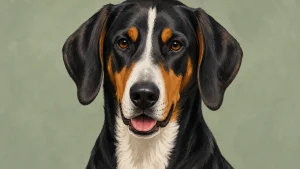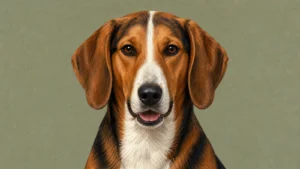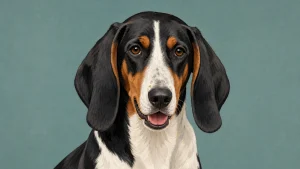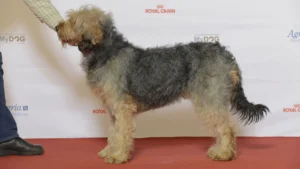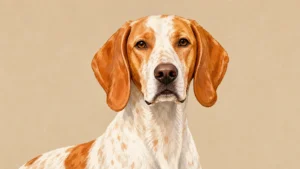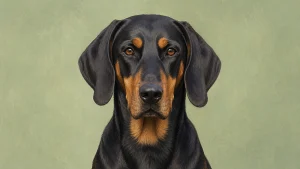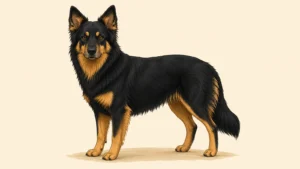
Old Danish Pointing Dog - MAIN HUB
BREED GROUP
Sporting Dogs
Country of origin
Denmark
BREED SIZE
Large
BREED HEIGHT
20 -
24 IN
51 -
61 cm
BREED WEIGHT
57 -
77 LB
26 -
35 KG
WHAT YOU NEED TO KNOW
american kennel club (AKC) recognition
No
Breed was recognized in 0.

International Canine Federation (FCI) recognition
Yes
Breed was recognized in 1969.
WHAT DO OWNERS WANT TO KNOW?
Are Old Danish Pointing Dogs good family dogs?
Below Average
3 out of 10
The Old Danish Pointing Dog is a devoted family companion known for its loyal, calm, and steady temperament. While gentle with children, they thrive best in active households that can provide ample outdoor space and companionship to satisfy their high exercise needs and hunting instincts.
Are Old Danish Pointing Dogs good with kids?
Fair
3 out of 10
Old Danish Pointing Dogs are generally excellent with children, known for their calm, patient, and steady temperament. Their gentle nature makes them devoted family companions that can patiently endure playtime antics. However, because of their large size and hunting instincts, supervision is recommended during interactions with younger children to ensure safety for both the dog and the child.
Are Old Danish Pointing Dogs good dogs for first time owners?
Below Average
4 out of 10
Old Danish Pointing Dogs are suitable for first-time owners who lead active lifestyles and can meet their high exercise and mental stimulation needs. While they are calm and eager to learn, their independent hunting nature and need for consistent, gentle training require a dedicated commitment. Novice owners must be prepared to provide a large outdoor space and regular activities to prevent this intelligent breed from becoming bored.
Are Old Danish Pointing Dogs good apartment dogs?
Average
5 out of 10
Old Danish Pointing Dogs are not well-suited for apartments due to their large size and high need for physical and mental stimulation. While they are known to be quiet and calm indoors, they require significant daily exercise and thrive best in rural or suburban homes with direct access to large, fenced outdoor spaces. Without consistent outlets for their energy and hunting instincts, they may become bored or unruly in confined urban living environments.
Do Old Danish Pointing Dogs need a yard?
High
3 out of 10
While an Old Danish Pointing Dog can adapt to suburban life, a large, securely fenced yard is highly recommended to satisfy their high exercise needs and natural hunting instincts. They thrive in environments with ample outdoor space to roam and explore, making them less suitable for apartment living or homes without access to a garden.
Can Old Danish Pointing Dogs be left at home alone?
Above Average
6 out of 10
Old Danish Pointing Dogs are loyal and calm companions that can generally handle being left alone for moderate periods due to their steady temperament. However, they thrive on human interaction and require regular mental and physical engagement, so they are best suited for owners who can provide consistent companionship and activity.
Do Old Danish Pointing Dogs tolerate cats well?
Very Good
7 out of 10
Old Danish Pointing Dogs generally get along well with cats, especially when socialized from a young age. Their loyal and steady character helps them form good bonds with other household pets. However, due to their strong hunting history, early socialization and supervised introductions are essential to manage their instincts and ensure a peaceful multi-pet environment.
Are Old Danish Pointing Dogs known to be aggressive?
Moderate
6 out of 10
Old Danish Pointing Dogs are typically calm and steady companions that are loyal to their families, though they can be reserved with strangers. While they are not inherently aggressive, their strong hunting instincts require early socialization and supervision around small animals to ensure a well-balanced temperament.
Do Old Danish Pointing Dogs have a lot of energy?
Mellow
4 out of 10
Old Danish Pointing Dogs are known for their calm and steady character, possessing a mellow energy level that makes them devoted home companions. While they are determined and active during outdoor adventures or hunts, they typically settle well indoors. Owners should provide consistent daily exercise and mental stimulation to satisfy their working instincts and ensure they remain balanced and content.
How much exercise do Old Danish Pointing Dogs need?
~60 min a day
6 out of 10
Old Danish Pointing Dogs require approximately one to two hours of daily exercise and mental stimulation to satisfy their hunting instincts and prevent boredom. This should include varied training, long walks, or active sessions like running and fetching in a large, fenced outdoor space. Consistent daily engagement is essential to keep this intelligent and determined breed balanced and content.
Do Old Danish Pointing Dogs tolerate hot weather well?
Very Good
7 out of 10
Old Danish Pointing Dogs generally tolerate warm weather well due to their short, weather-resistant coats. However, they are active dogs that can overheat during strenuous exercise. Owners should provide constant access to fresh water and shade, and limit intense activity or hunting sessions to the cooler morning or evening hours during peak summer heat to ensure their safety.
Are Old Danish Pointing Dogs good with cold weather?
Very Good
7 out of 10
Old Danish Pointing Dogs generally tolerate warm weather well due to their short, weather-resistant coats. However, they are active dogs that can overheat during strenuous exercise. Owners should provide constant access to fresh water and shade, and limit intense activity or hunting sessions to the cooler morning or evening hours during peak summer heat to ensure their safety.
Are Old Danish Pointing Dogs sometimes banned from rentals?
Sometimes Restricted
5 out of 10
Old Danish Pointing Dogs may face apartment restrictions primarily due to their large size, as many rentals impose weight limits between 25 and 50 pounds. While not typically on aggressive breed lists, their need for significant outdoor space and exercise makes them better suited for rural or suburban homes. Always check specific landlord policies regarding size limits and potential requirements for pet liability insurance or references.
WHAT DO OWNERS WANT TO KNOW?