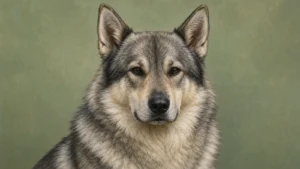
Icelandic Sheepdog Training Profile
Icelandic Sheepdogs are intelligent, eager to please, and generally easy to train using positive reinforcement. While they can be stubborn, they learn quickly and excel in sports like agility and herding. Early socialization is essential to manage their vocal nature and herding instincts, ensuring they grow into confident, well-behaved companions who thrive on activity.
TRAINABILITY
Stubborn
3 out of 10
MENTAL STIMULATION NEEDS
Very High
9 out of 10
LOVE FOR GRUB
Very Picky
2 out of 10
TRAINING FAQ
Are Icelandic Sheepdogs easy to train?
Independent
4 out of 10
Icelandic Sheepdogs are intelligent and eager to please, making them generally easy to train for owners who use consistent, reward-based methods. While they pick up commands quickly, their high energy and herding instincts can lead to distractions or vocal behaviors like barking. Success depends on early socialization, clear boundaries, and maintaining a positive, engaging routine that taps into their work ethic.
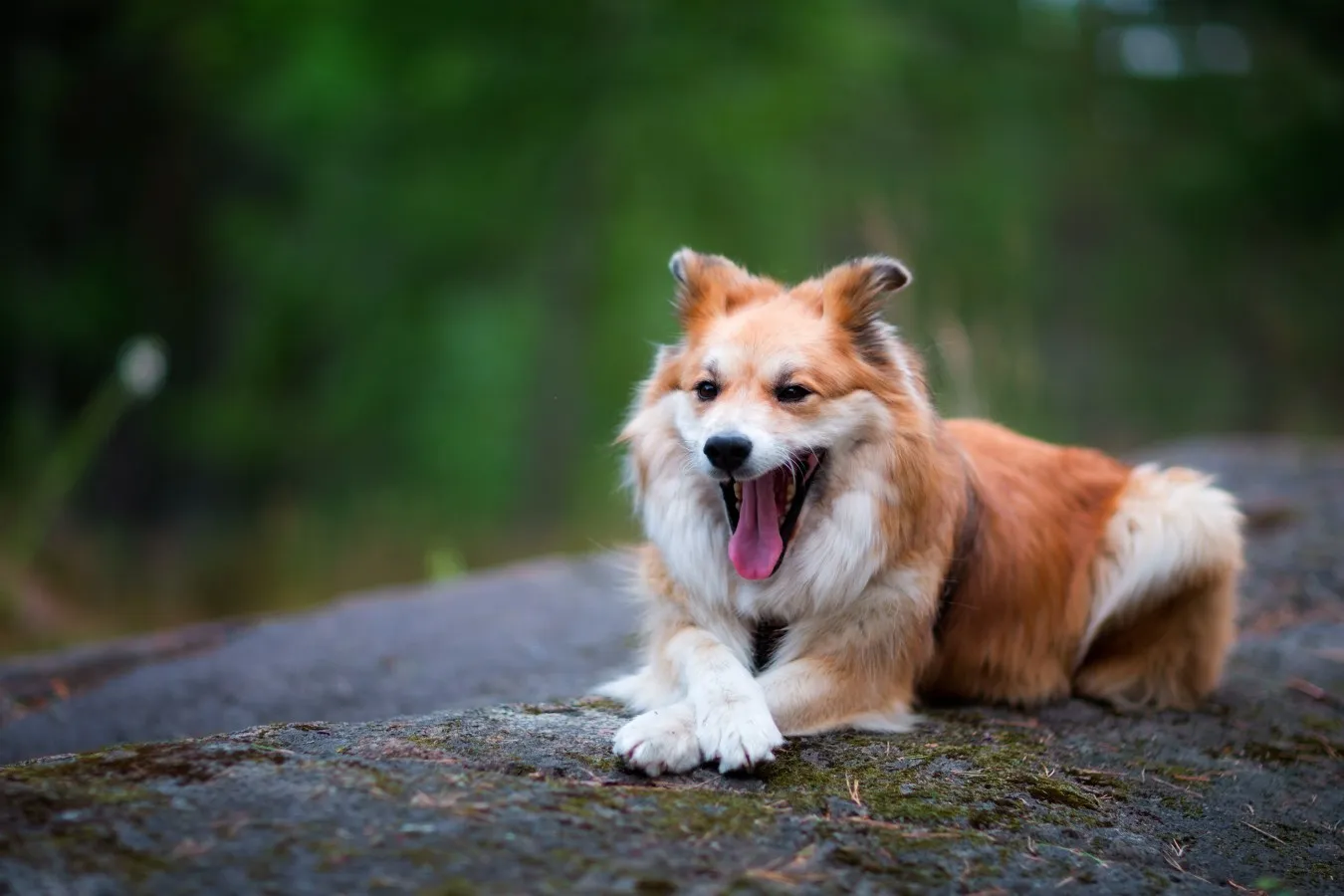
Are Icelandic Sheepdogs stubborn?
Stubborn
3 out of 10
Icelandic Sheepdogs are intelligent and generally eager to please, but their independent herding heritage can lead to a stubborn streak if they find training repetitive or boring. They respond best to positive reinforcement and a variety of activities to keep their active minds engaged. To succeed, owners should use high-value rewards like treats or toys and keep sessions short and fun, as these sensitive dogs can shut down if they sense frustration or use of a harsh tone.
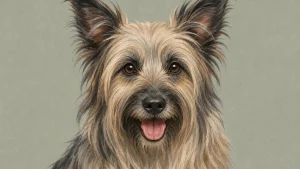
How to train a Icelandic Sheepdog puppy?
Average
6 out of 10
Train your Icelandic Sheepdog puppy using positive reinforcement methods like treats, praise, and play. Focus on early socialization and consistent crate and leash training to manage their natural vocal nature and herding instincts. Keep sessions engaging and varied to satisfy their high intelligence, and maintain a gentle tone to support their sensitive, family-oriented temperament.
How difficult is to potty train a Icelandic Sheepdog puppy?
Challenging
3 out of 10
Potty training an Icelandic Sheepdog typically takes several weeks to a few months. These intelligent, quick learners respond best to consistent routines, frequent outdoor breaks, and positive reinforcement with treats and praise. Because they are sensitive and eager to please, avoid harsh corrections and focus on establishing a strict schedule combined with crate training to prevent accidents and build reliability.
How many walks does a Icelandic Sheepdog need?
Extreme Needs
10 out of 10
Icelandic Sheepdogs are energetic herders requiring sixty to ninety minutes of daily exercise. They thrive on at least one or two long, brisk walks combined with hiking or interactive play. Consistent physical activity and mental stimulation are essential to prevent boredom and excessive barking in these friendly, active companions.
What is the best daily routine for a Icelandic Sheepdog?
Very High
9 out of 10
An Icelandic Sheepdog’s daily routine should focus on consistent physical activity and social engagement. Provide 60 to 90 minutes of exercise, including at least one long, brisk walk supplemented by hiking, jogging, or interactive play like fetch. Establish a predictable schedule for feeding high-quality meals twice daily and include short training sessions or canine sports like agility and herding to satisfy their intelligence. Brush their thick double coat at least two to three times weekly, increasing to daily during shedding season, and incorporate early socialization to manage their vocal nature and prevent reactivity.
VET INSIGHTS
Icelandic Sheepdogs are intelligent herders that thrive on high-energy activities and positive reinforcement. While generally eager to please, they possess an independent streak that requires patience during training. Their care routine includes significant daily exercise, early socialization to manage vocal barking, and consistent routines to prevent boredom and anxiety in these social, family-oriented companions.

Reviewed by
Dr. Vojtech Gabriel
DVM · PhD · MBA
Veterinarian
Researcher
Dog breed specialist
✓
Verified