Skip to content

Newfoundland - MAIN HUB

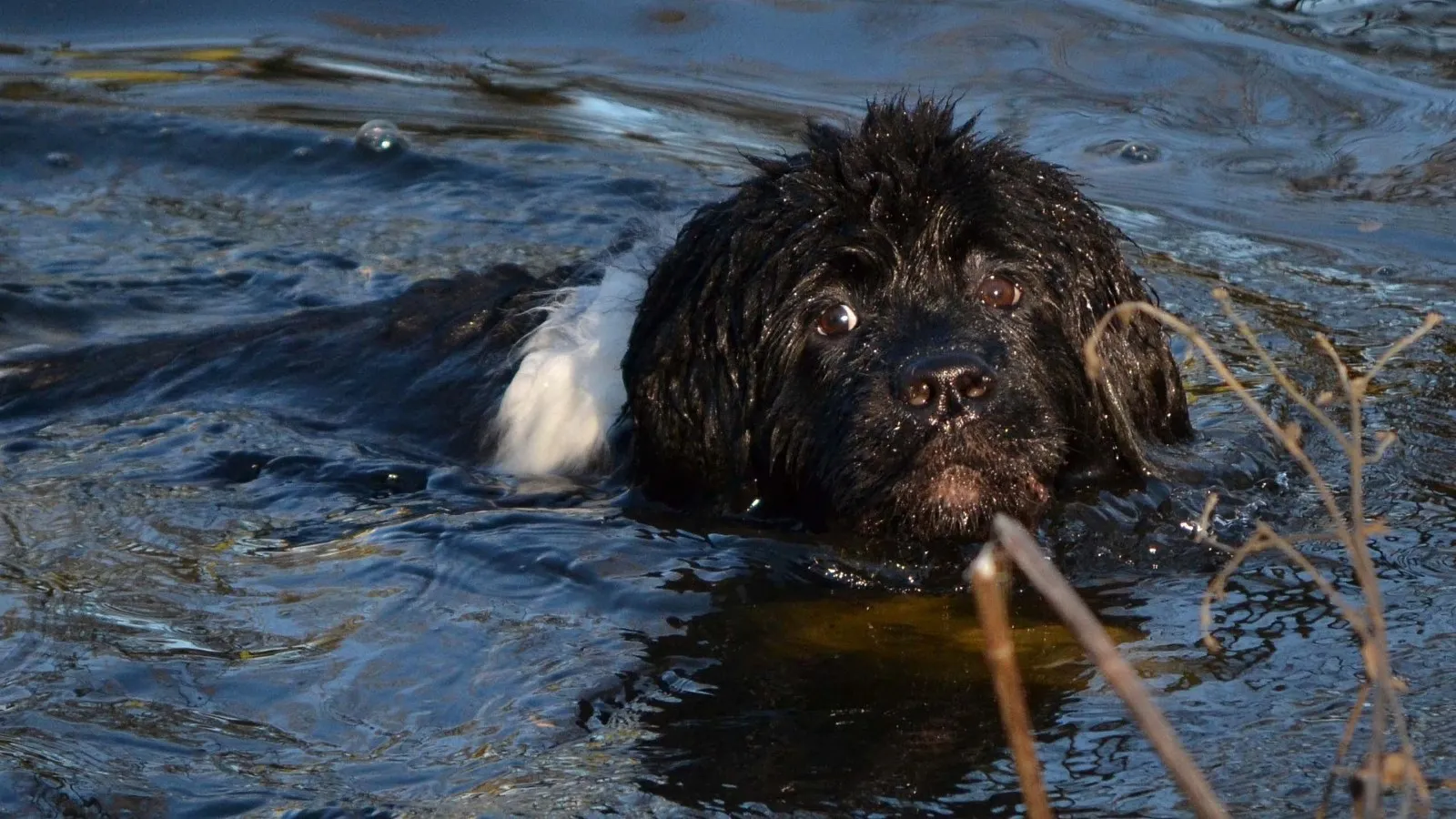
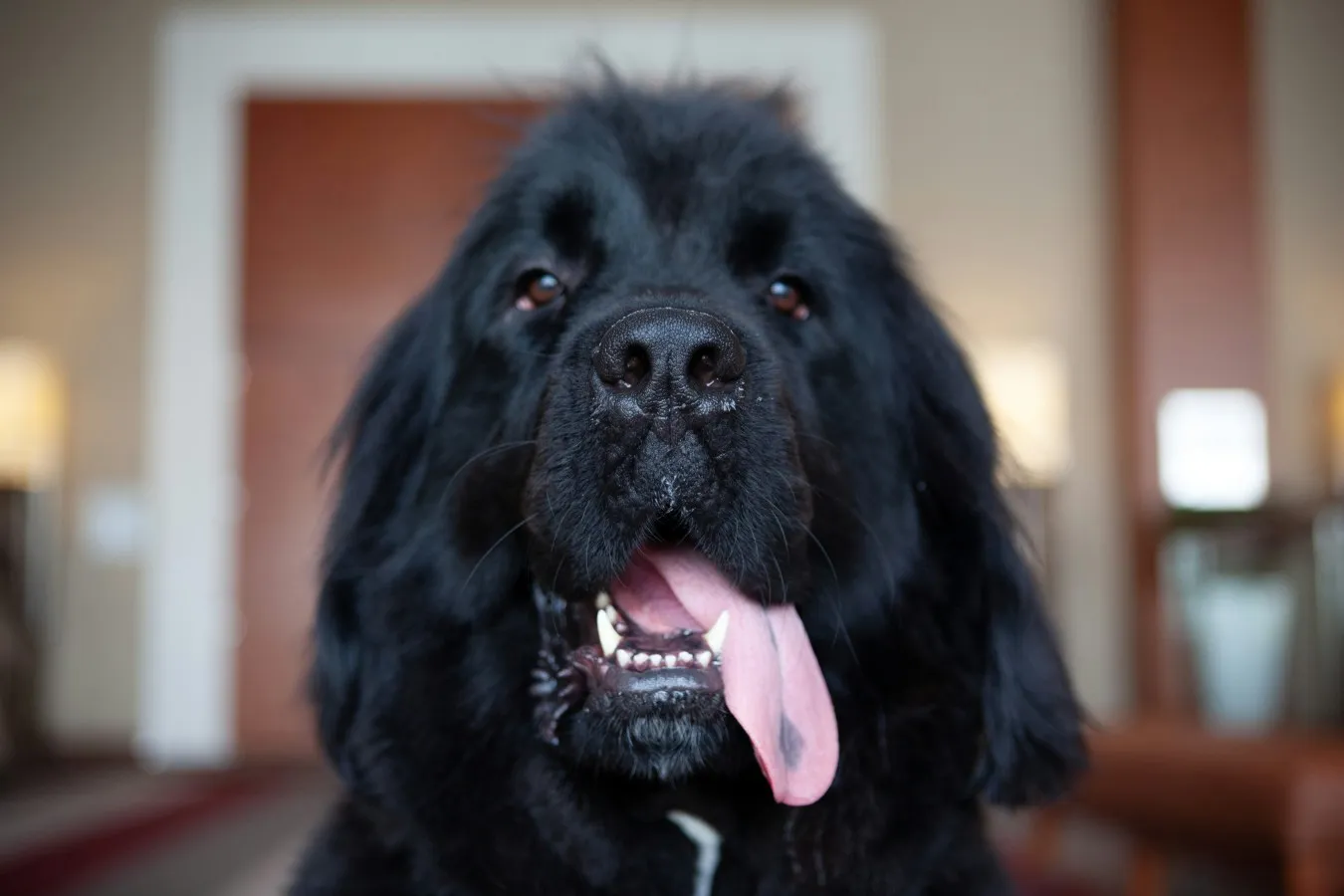
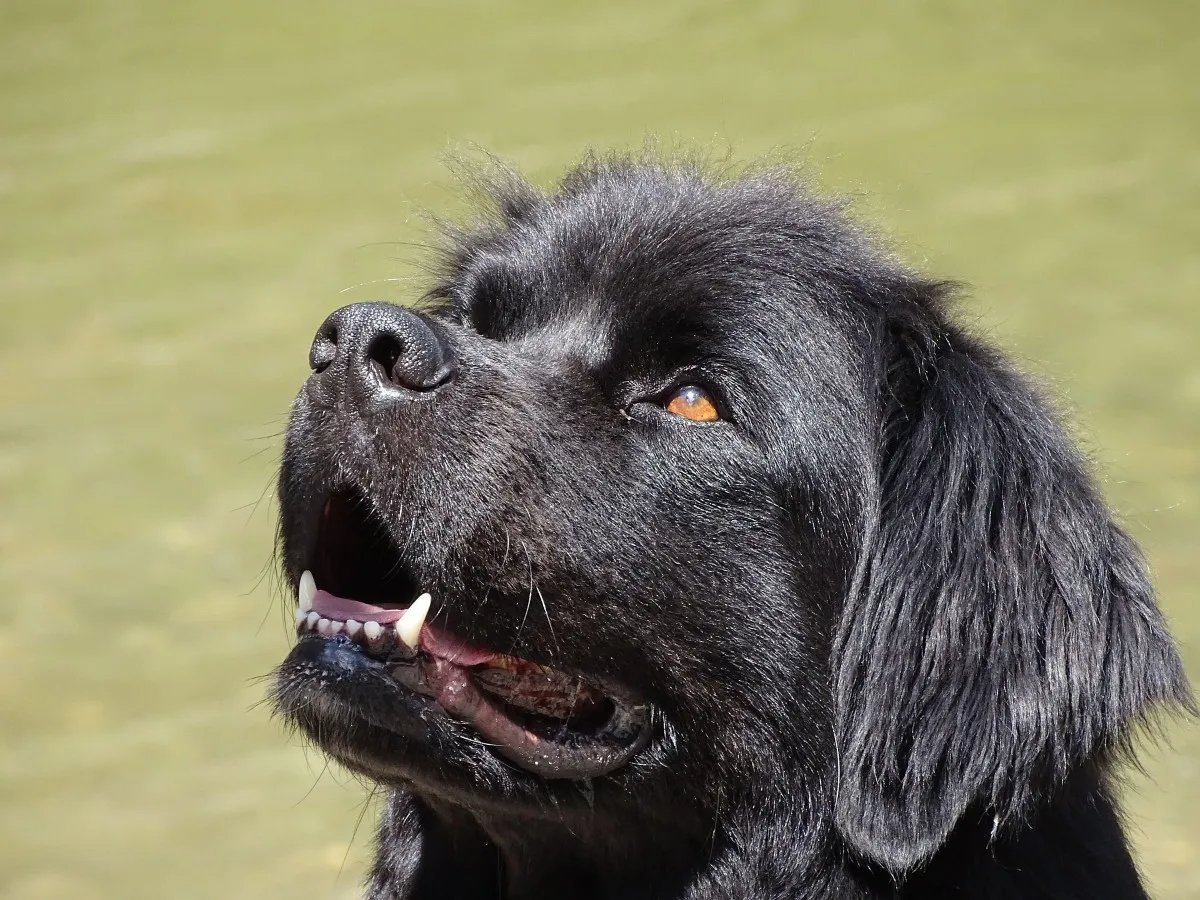
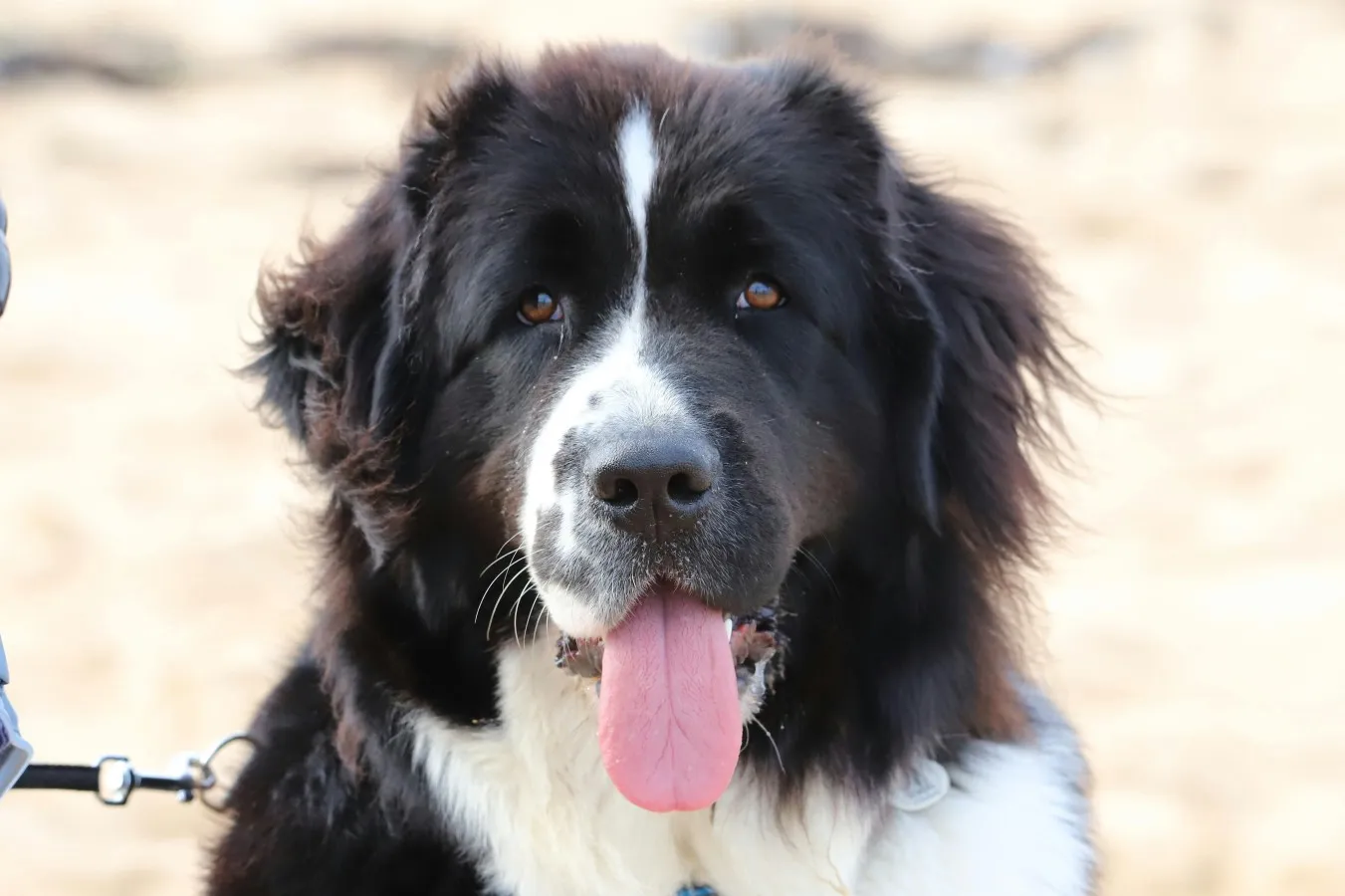
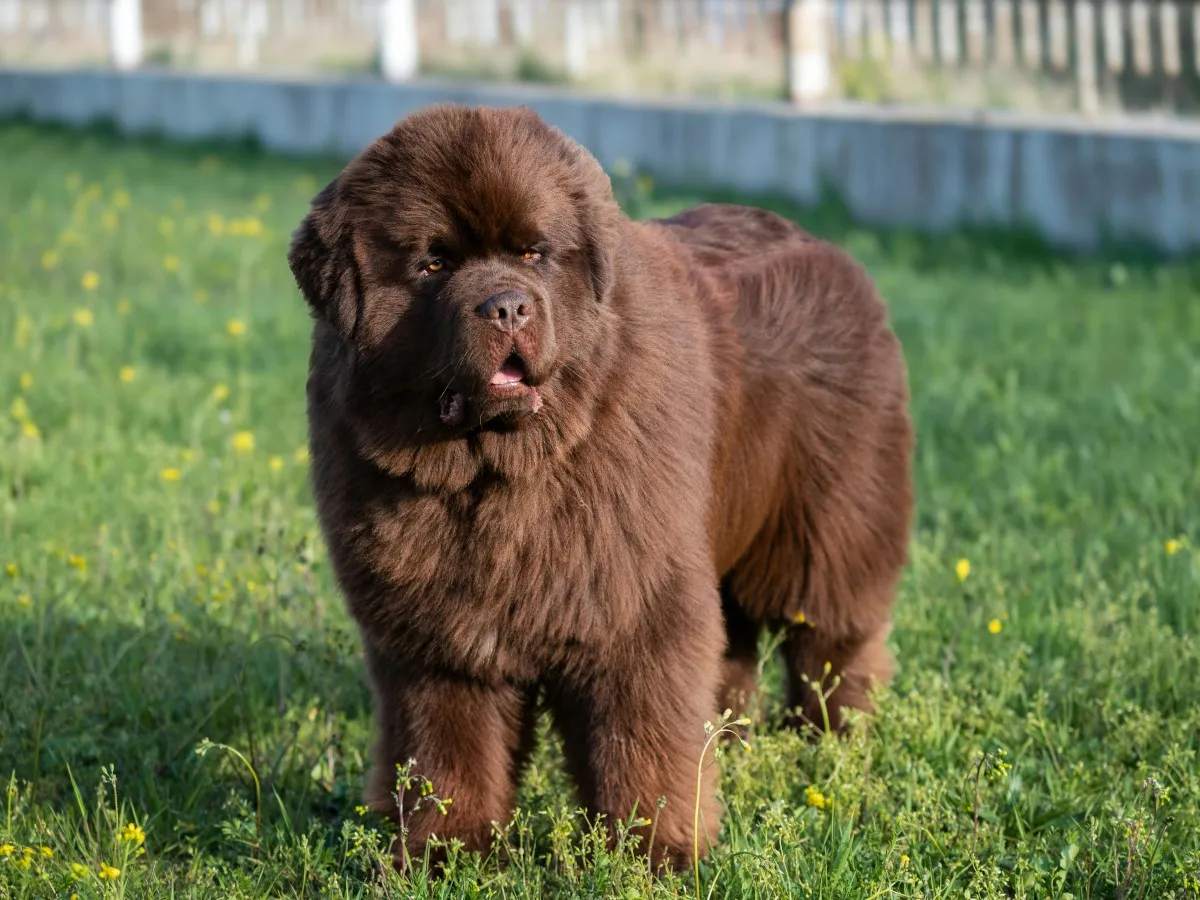
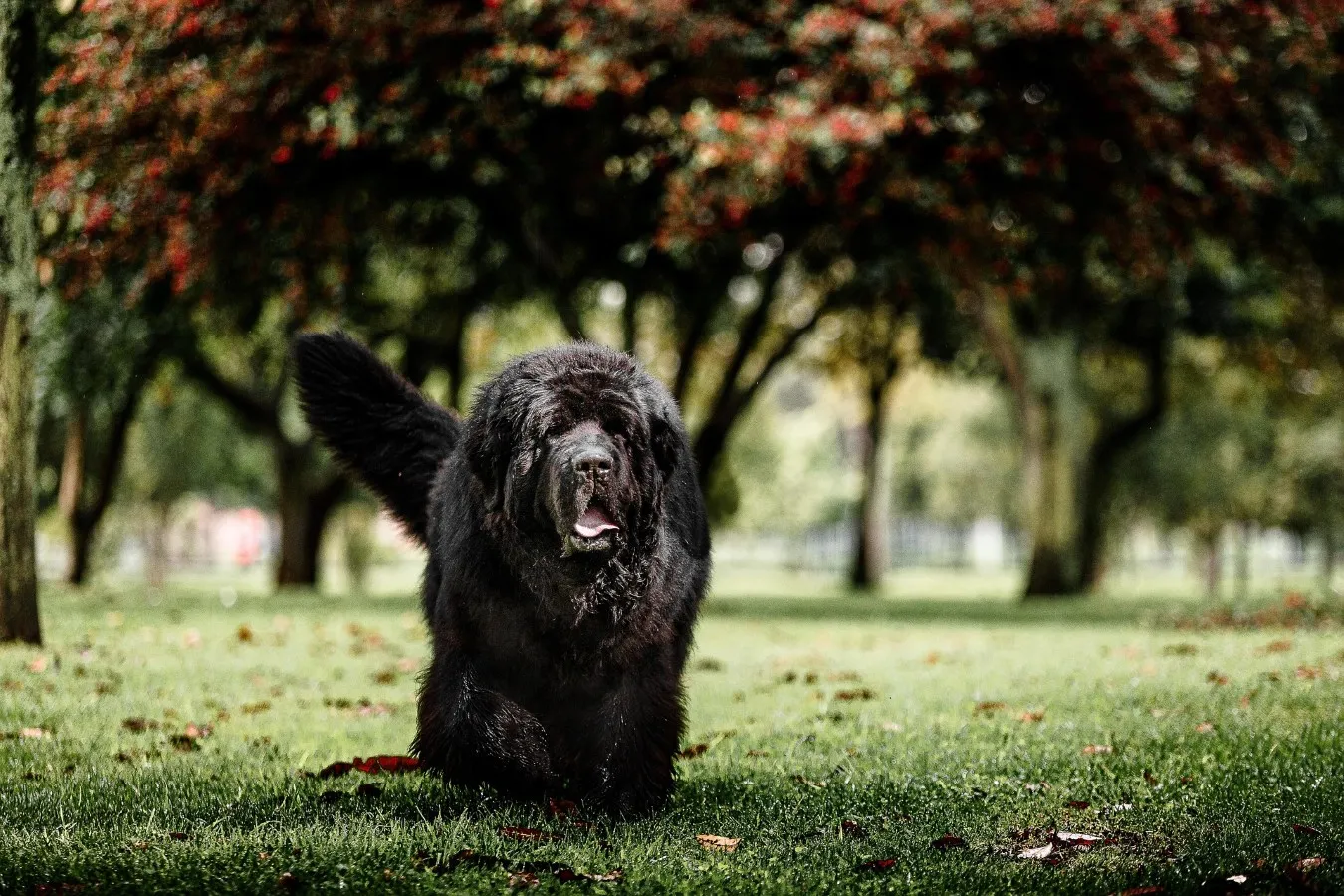
Meet the Newfoundland! A gentle nanny dog and elite swimmer, this sweet giant is a devoted friend for active families who have room to roam.

BREED GROUP

Working Dogs

Country of origin

Canada

BREED SIZE

Giant

BREED HEIGHT

26 -

28 IN

66 -

71 cm

BREED WEIGHT

100 -

150 LB

45 -

68 KG

WHAT YOU NEED TO KNOW

The Newfoundland is a giant, sweet-tempered working breed originating from Canada. Renowned as a nanny dog, they are exceptionally patient and gentle with children. These noble giants possess massive strength, webbed feet, and water-resistant double coats, making them elite swimmers and rescue dogs. While docile indoors, they require moderate daily exercise and significant space. Owners should be prepared for substantial shedding and drooling. Early socialization is vital for these intelligent dogs to thrive. Ultimately, the Newfoundland is a devoted, loyal companion perfect for active families who can accommodate their large size and grooming needs.
american kennel club (AKC) recognition

Yes

Breed was recognized in 1886.

International Canine Federation (FCI) recognition

Yes

Breed was recognized in 1954.
WHAT DO OWNERS WANT TO KNOW?

Are Newfoundlands good family dogs?

Excellent

10 out of 10

The Newfoundland is an excellent family dog, famously known as a nanny dog for its exceptional patience and gentle nature with children. They are devoted and loyal companions that thrive in active households capable of accommodating their giant size and significant grooming needs.

Excellent

10 out of 10

Newfoundlands are legendary family dogs, famously known as nanny dogs for their extreme patience and gentle nature with children. They are exceptionally devoted and sweet-tempered, often positioning themselves to protect kids during play. While their massive size requires supervised interaction with small children to prevent accidental knocks, their calm and steady demeanor makes them one of the most dependable companions for families. Early socialization and training ensure these gentle giants remain well-behaved and responsive around kids of all ages.

Not Recommended

1 out of 10

Newfoundlands are generally not recommended for first-time owners due to their massive size and high maintenance needs. While they are sweet-tempered and eager to please, managing a giant breed involves significant financial commitment, intensive grooming to handle shedding and drooling, and the physical strength to manage a dog that may outweigh its owner. For a novice prepared for a total lifestyle change, their gentle nature makes them rewarding companions, but they are often overwhelming for those without experience in giant breed care.

Poor

2 out of 10

Newfoundlands can adapt to apartment living due to their calm, mellow, and laid-back nature indoors. While they are giant dogs that require significant floor space to stretch out and can be tripping hazards, they have low to moderate energy levels and are often content to stay close to their owners. Success in an apartment requires a commitment to daily outdoor exercise, managing substantial shedding and drooling, and ensuring the building does not have weight or breed restrictions.

Highly Recommended

10 out of 10

A yard is not strictly required for a Newfoundland, as they can adapt to larger apartments if provided with ample exercise. However, a small fenced yard with plenty of shade is highly recommended for these giant dogs to roam freely and burn energy. Daily walks and outdoor activities are essential regardless of yard access to maintain their physical health.

Not Recommended

1 out of 10

Newfoundlands are people-oriented giants that thrive on companionship and do not do well when left alone for long periods. Prolonged isolation can lead to boredom, sadness, and the development of separation anxiety or destructive behaviors like chewing. They are best suited for households where someone is frequently present to provide the attention and emotional support they crave.

Exceptional

10 out of 10

Newfoundlands are typically friendly and accepting of other pets, including cats, due to their gentle and social disposition. They are known to form harmonious bonds with feline housemates, especially when socialized together from a young age. While their massive size requires supervised introductions to ensure the safety of smaller animals, they generally lack a strong prey drive and are likely to view cats as companions rather than targets for chasing.

Very Gentle

10 out of 10

Newfoundlands are not naturally aggressive and are renowned for their sweet, patient, and gentle "nanny dog" temperament. While their massive size and protective instincts can be intimidating, true aggression is rare and typically only occurs due to fear, lack of socialization, or underlying health issues. With consistent positive reinforcement training and early exposure to different environments, they remain dependable, well-behaved companions for families.

Couch Potato

1 out of 10

Newfoundlands have a moderate energy level, remaining relatively calm and docile indoors while requiring regular daily activity to stay healthy. They enjoy low-impact exercises like long walks, swimming, and hiking with their families. While they are not hyperactive, they benefit from around 30 to 60 minutes of moderate exercise daily and thrive on human interaction and having a job to do.

~45 min a day

4 out of 10

Newfoundlands are a giant breed with moderate daily exercise needs, typically requiring between 30 and 60 minutes of activity, though some sources suggest up to 2 hours. They are not high-energy dogs and can easily become couch potatoes, so daily walks and playtime are essential to prevent obesity. Swimming is the ideal exercise for this breed as it provides a full-body workout while protecting their sensitive joints from strain. Owners must be careful to avoid high-impact activities like running or jumping while puppies are still growing to prevent long-term musculoskeletal issues. Because of their thick coats, exercise should be limited to the cooler parts of the day to avoid overheating.

Danger

1 out of 10

Newfoundlands have a low tolerance for hot weather due to their thick, water-resistant double coats designed for icy climates. They are highly susceptible to overheating and heatstroke in temperatures above 90°F. Owners must provide a cool, air-conditioned environment, constant access to fresh water, and limit outdoor activities to the early morning or late evening. Regular grooming to remove the undercoat is essential to help their skin breathe, but they should never be shaved as their coat provides some protection against heat and sunburn.

Danger

1 out of 10

Newfoundlands have a low tolerance for hot weather due to their thick, water-resistant double coats designed for icy climates. They are highly susceptible to overheating and heatstroke in temperatures above 90°F. Owners must provide a cool, air-conditioned environment, constant access to fresh water, and limit outdoor activities to the early morning or late evening. Regular grooming to remove the undercoat is essential to help their skin breathe, but they should never be shaved as their coat provides some protection against heat and sunburn.

Highly Likely

2 out of 10

Newfoundlands are rarely subject to specific breed-based bans, but their giant size makes them a challenge for most apartment rentals. Many landlords impose weight limits—often capped at 25, 50, or 75 pounds—which these 100-to-150-pound dogs far exceed. While not typically on "aggressive breed" lists, always check individual property policies regarding giant breed accommodations and weight restrictions.

WHAT DO OWNERS WANT TO KNOW?


Photo
Reviewed by
Dr. Vojtech Gabriel
DVM · PhD · MBA
Veterinarian Researcher Dog breed specialist
Verified

"Newfoundlands are legendary companions, but their giant size necessitates proactive health management. As a veterinarian, I prioritize monitoring for hip and elbow dysplasia, which are common and can lead to debilitating arthritis. They are also highly susceptible to life-threatening bloat (GDV), so I recommend feeding multiple small meals, using slow feeders, and considering a preventive gastropexy. Heart conditions like dilated cardiomyopathy and subaortic stenosis are also significant risks. To support their long-term mobility and health, it is critical to maintain a lean body weight, provide joint supplements, and avoid high-impact exercise during their rapid growth phase. Additionally, their thick coats make them very prone to overheating, so temperature control is essential."

Other Working Dogs