Skip to content

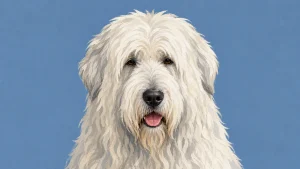
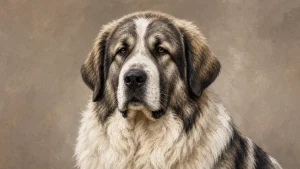
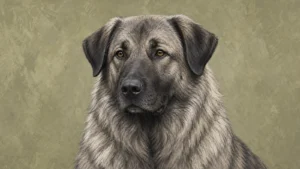
Great Pyrenees Training Profile

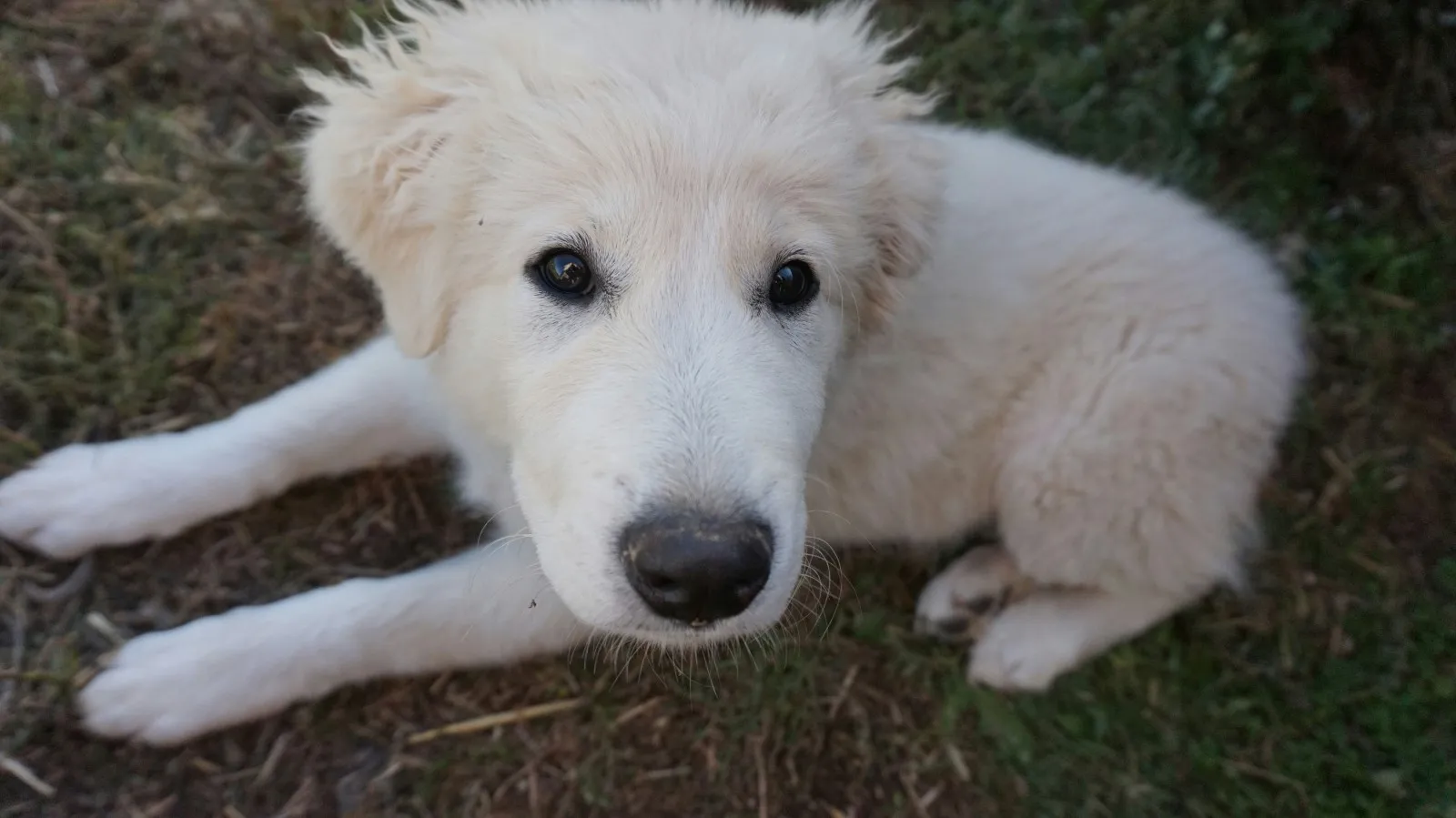
Great Pyrenees are intelligent but notoriously independent, making training a challenge that requires extreme patience and consistent leadership. These willful guardians evaluate commands rather than obeying blindly, responding best to short, reward-based sessions. Their care routine focuses on moderate, low-impact exercise, regular grooming of their thick coats, and providing a secure area for patrolling.

TRAINABILITY

Hard

2 out of 10

MENTAL STIMULATION NEEDS

Mild Needs

3 out of 10

LOVE FOR GRUB

Great Eater

8 out of 10

TRAINING FAQ

Are Great Pyrenees easy to train?

Very Hard

1 out of 10

Great Pyrenees are highly intelligent but notoriously independent, making them challenging to train. Bred to work without human guidance, they often evaluate commands rather than obeying blindly. Success requires extreme patience, consistent leadership, and positive reinforcement, as their stubborn nature means they only respond when motivated.

Highly Stubborn

1 out of 10

Great Pyrenees are famously independent and willful, often appearing stubborn. Bred to work alone, they evaluate commands rather than obeying blindly. Success requires extreme patience and positive reinforcement, as they are sensitive to harshness. They typically cooperate only when they trust their leader and see value in the request.

Needs Patience

1 out of 10

Train your Great Pyrenees puppy with extreme patience and positive reinforcement. Early socialization is crucial to manage their guardian instincts. Because they are independent thinkers, keep training sessions short and engaging to build trust and ensure they develop into well-mannered companions.

Challenging

3 out of 10

Potty training a Great Pyrenees typically takes 4 to 6 months. While they are independent, establishing a consistent routine and using crate training can help them grasp housebreaking. Positive reinforcement and patience are key to successfully training this strong-willed guardian breed.

Extreme Needs

10 out of 10

Great Pyrenees require moderate exercise, typically consisting of two daily walks of 20 to 30 minutes each. Because of their thick double coats and large size, they are prone to overheating, so walks should be scheduled during the cooler morning or evening hours. Supplementing these walks with light play in a secure, fenced area helps maintain their physical health and provides essential mental stimulation for this independent guardian breed.

Moderate

6 out of 10

A Great Pyrenees’ daily routine should prioritize moderate exercise and mental engagement while respecting their independent, guardian nature. Provide 30 to 60 minutes of low-impact activity, such as two 20-30 minute walks, ideally during cooler morning and evening hours to prevent overheating. Feed adult dogs twice daily and puppies three to four times to prevent bloat and maintain growth. Essential care includes brushing their thick coat once or twice weekly, more during shedding seasons, and providing short, reward-based training sessions under 10 minutes. Ensure they have a secure, fenced area for patrolling and plenty of indoor rest, avoiding strenuous running on hard surfaces to protect their developing joints.
VET INSIGHTS

Great Pyrenees are intelligent yet notoriously independent guardians, necessitating extreme patience and consistent, reward-based training. They require moderate, low-impact exercise, typically two short daily walks, while avoiding heat due to their thick coats. Housebreaking can be challenging, often taking months. Their care routine emphasizes regular grooming, spinal protection, and providing secure areas for their natural patrolling instincts.

Photo
Reviewed by
Dr. Vojtech Gabriel
DVM · PhD · MBA
Veterinarian Researcher Dog breed specialist
Verified

Explore Other Breed TRAINING PROFILES