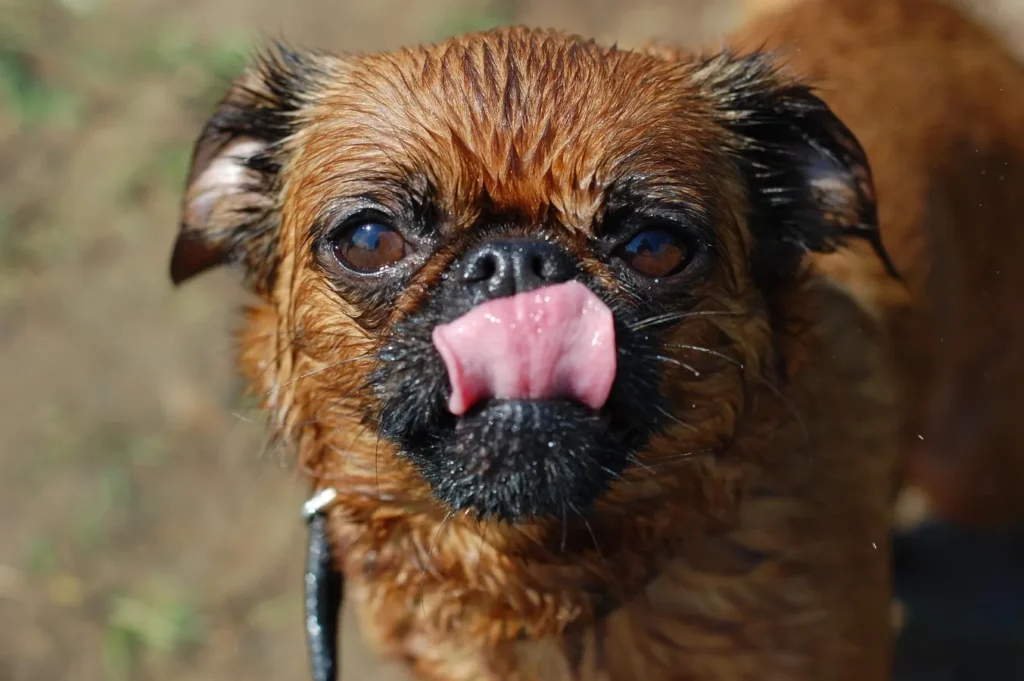
Brussels Griffon Training Profile
Breed Group
Toy Dogs
Country of Origin
Belgium
Breed Size
Toy
AKC Recognition
Yes, recognized in 1910
FCI Recognition
Yes, recognized in 1954
Mental stimulation needs
Very Low1 / 10
Trainability
3 / 10
Picky eater
Great Eater8 / 10
Easy to train
Stubborn3 / 10
Training stubbornness
Stubborn3 / 10
Puppy training
Average6 / 10
Training FAQ
Are Brussels Griffon easy to train?
Brussels Griffons are intelligent but famously stubborn and independent, often wanting things to be their own idea. They respond best to short, fun training sessions utilizing positive reinforcement and high-value rewards. Patience and consistency are essential to manage their sensitive nature and occasional headstrong behavior.
Easy to train: 3 / 10
Are Brussels Griffon stubborn to train?
Brussels Griffons are famously stubborn and sensitive, often preferring their own agenda over following commands. Their independent nature and "velcro dog" attachment mean they may ignore you if bored or overwhelmed. Success requires extreme patience, consistent positive reinforcement, and high-value rewards to keep these clever, spirited companions engaged.
Training stubbornness: 3 / 10
How do you train a Brussels Griffon puppy?
Train your Brussels Griffon puppy using positive reinforcement and short, engaging sessions to manage their stubborn streak and sensitive nature. Focus on early socialization to build confidence and establish consistent routines. Use high-value treats and praise to motivate these intelligent dogs while avoiding any harsh corrections.
Puppy training: 6 / 10
How difficult is potty training in Brussels Griffon?
Potty training a Brussels Griffon typically takes 4 to 6 months and requires immense persistence. Known for being difficult to housebreak, these sensitive, stubborn dogs benefit from a strict routine, crate training, and high-value rewards. Success relies on frequent outdoor breaks and avoiding any harsh corrections.
Potty training difficulty: 2 / 10
How many walks does a Brussels Griffon need?
Brussels Griffons have low to moderate exercise needs, typically requiring 30 to 45 minutes of activity daily. One or two short walks, combined with indoor play, are usually sufficient. As a brachycephalic breed, they are prone to overheating, so avoid overexertion and prioritize walks during cooler hours.
Walking need: 1 / 10
What is the best daily routine for a Brussels Griffon?
A Brussels Griffon's daily routine should center on companionship and moderate activity. Provide 30 to 60 minutes of exercise daily, split into short walks and indoor play, while avoiding strenuous activity in extreme heat or cold. Feed adults two meals and puppies three to four times daily, using high-quality small-breed food and perhaps toppers for picky eaters. Essential care includes daily teeth brushing to prevent dental disease, cleaning facial folds and beards regularly, and weekly brushing of their smooth or rough coat. Incorporate short, positive training sessions and ensure they are not left alone for long periods to prevent separation anxiety.
Routine need: 6 / 10
Vet Insights
Brussels Griffons are intelligent yet famously stubborn, requiring extreme patience and high-value rewards during training. Housebreaking is particularly challenging, often taking months of consistent effort. They have low to moderate exercise needs but are prone to overheating. Their daily routine emphasizes companionship, dental hygiene, and regular cleaning of facial folds to ensure these sensitive, spirited companions thrive.