
Chinese Crested Health and Costs
Breed Group
Toy Dogs
Country of Origin
China
Breed Size
Small
AKC Recognition
Yes, recognized in 1991
FCI Recognition
Yes, recognized in 1972
Rarity
Rare2 / 10
Purchase cost
Moderate5 / 10
Life expectancy
Long Lifespan8 / 10
Health
Moderate health concerns4 / 10
Health problem risk
Moderate health concerns4 / 10
Maintenance cost
Moderate upkeep cost4 / 10
A Veterinarian's Guide
Chinese Crested Health Problems and Costs
The Chinese Crested is a small, affectionate companion that comes in two coat types: the hairless, with tufts of fur on the head, tail, and feet, and the fully coated Powderpuff. Many live well into their teens, and most of the breed's health care centers on teeth, skin, eyes, and kneecaps rather than major organ disease. Knowing the list before you bring a puppy home, or while you already share your life with one, makes screening and vet visits much easier to plan.
In this guide
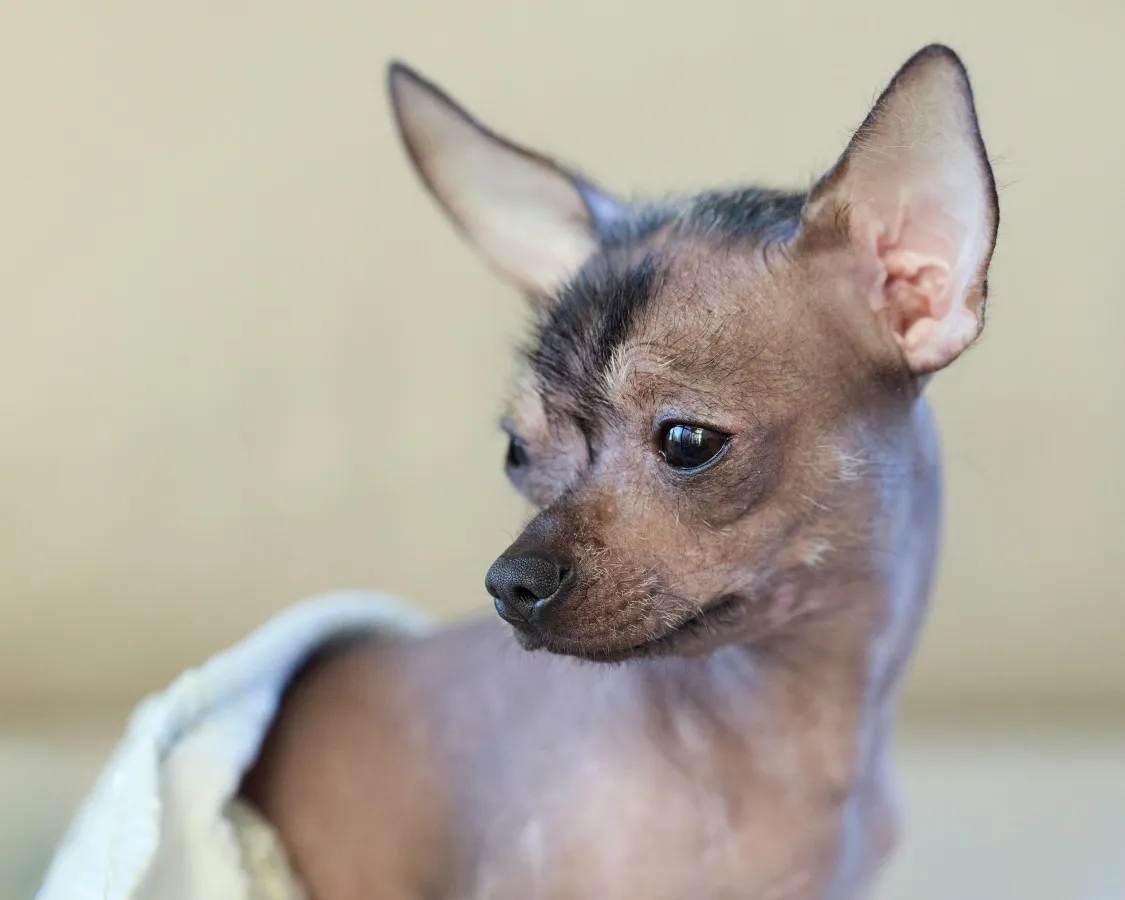
Why Do Chinese Cresteds Have So Many Dental Problems?
The breed is known for dental trouble such as early tooth loss and gum disease, and poor dental health can affect more than the mouth, since bacteria from diseased gums can reach other organs. Missing or abnormally formed teeth are linked in veterinary references to ectodermal dysplasia, an inherited problem in how skin-related structures form. Ektos is Greek for "outside," and derma for "skin." The Merck Veterinary Manual describes that link in other breeds.
Daily brushing at home, started while your dog is still a cooperative puppy, plus professional cleanings on your veterinarian's schedule, are the best defense. Ask about dental X-rays early, since they show which teeth are missing, malformed, or retained under the gum.
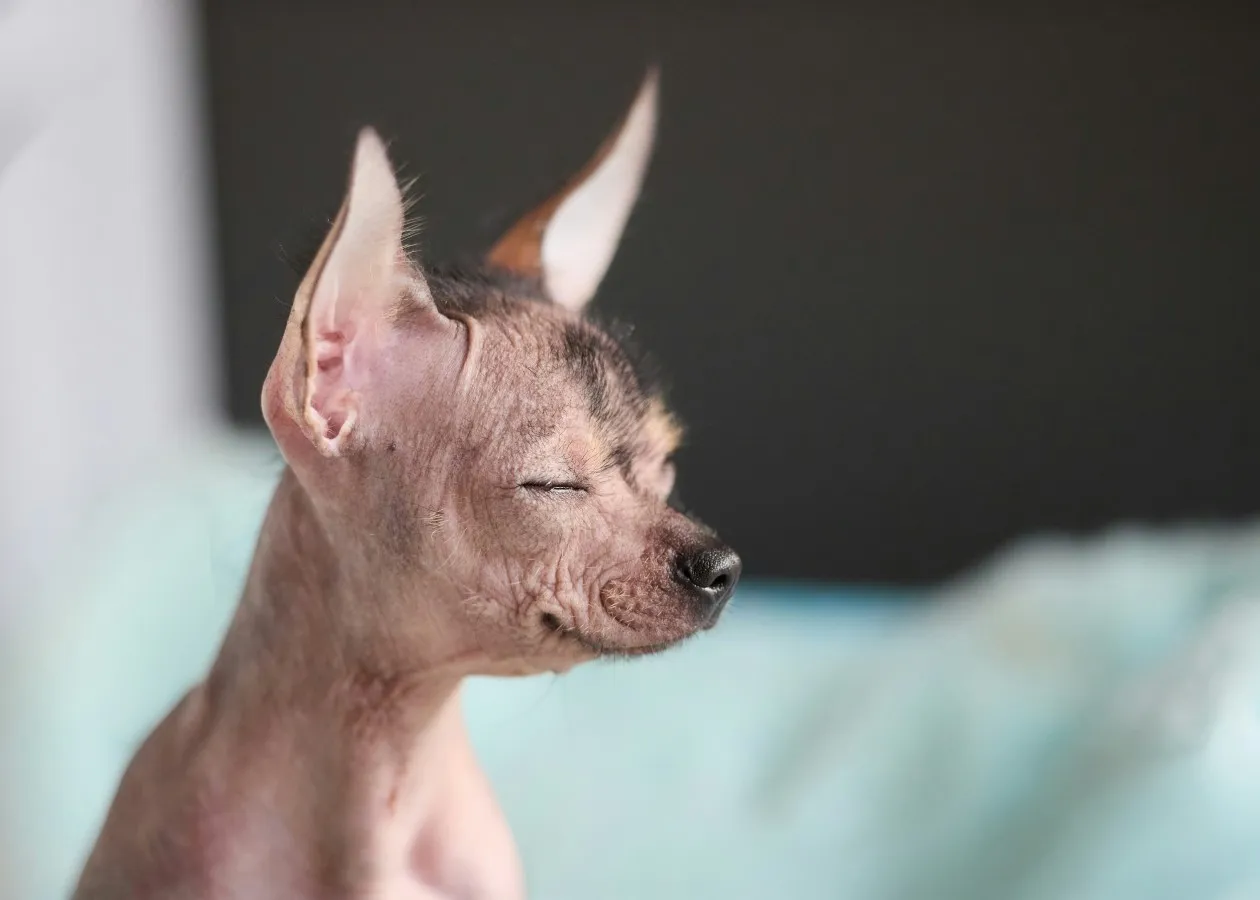
What Skin and Weather Care Does a Hairless Chinese Crested Need?
Hairless areas need protection from sun and from cold. Sunscreen made for dogs, or light protective clothing, is sensible during peak sun, and a warm sweater or coat may be needed even on mild days. The skin can also become dry and develop comedones, or blocked pores, so regular moisturizing and a gentle routine help. Ask your veterinarian to recommend dog-appropriate products, since human skin products can make things worse.
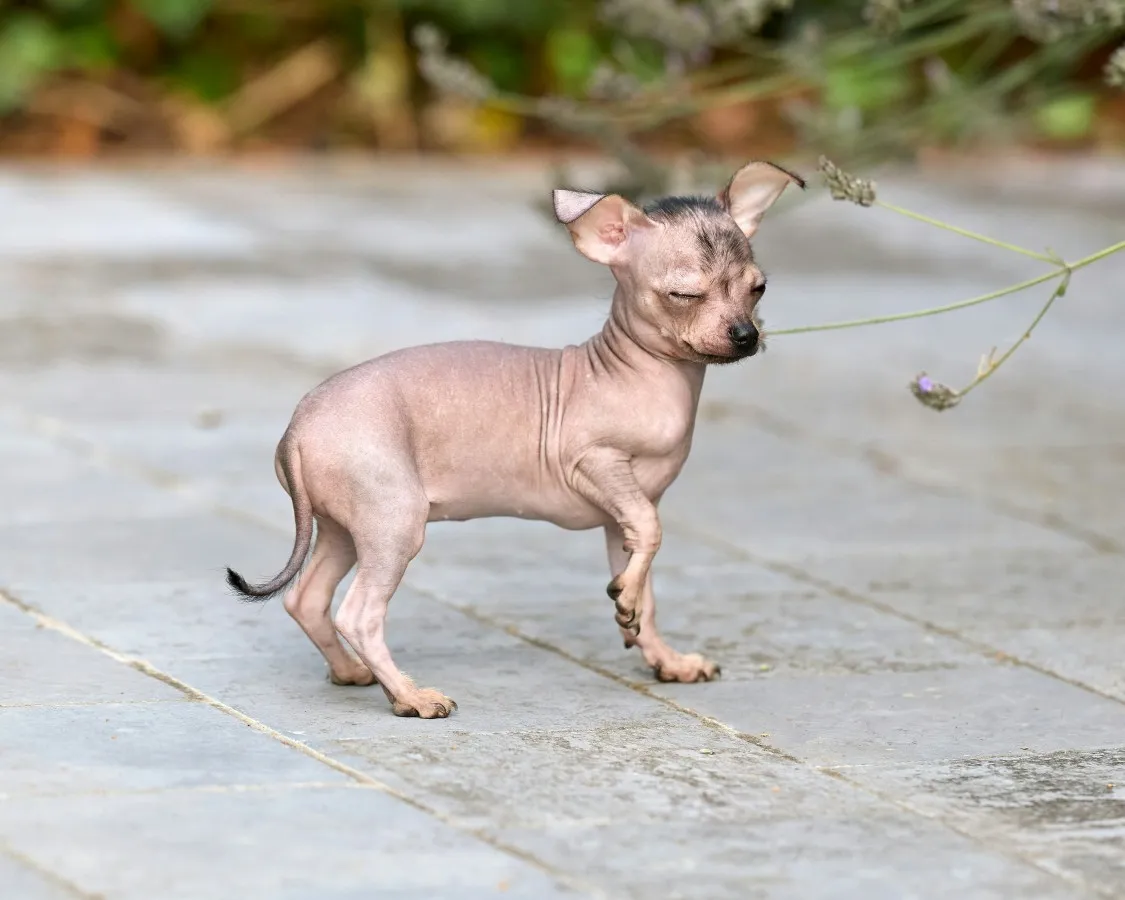
The Powderpuff variety has a full coat and needs a different kind of care: brushing at least a few times a week to prevent mats, plus routine trims.
What Eye Conditions Are Common in This Breed?
A sudden red, painful, or cloudy eye needs a veterinarian the same day, because a displaced lens can raise eye pressure quickly and cost the dog its sight.
Primary lens luxation, or PLL, is an inherited condition in which the lens slips out of its normal position. Luxation comes from the Latin luxare, "to dislocate." When the lens moves completely forward, the Merck Veterinary Manual notes that the only effective treatment is surgical removal of the lens.
- 01
Red, painful eye
Squinting, tearing, or pawing at one eye.
- 02
Cloudy or bluish eye
The surface of the eye looks hazy or changed in color.
- 03
Trembling iris or lens
A flutter inside the eye, or a lens that looks out of place.
- 04
Sudden vision change
Bumping into things or hesitating in familiar rooms.
Progressive retinal atrophy, or PRA, is an inherited breakdown of the retina's light-sensing cells. It has no treatment and leads to vision loss, though most dogs cope well with gradual loss in a familiar home. Dry eye is also listed for the breed. The breed club recommends an ophthalmologist evaluation plus DNA tests for both PLL and PRA in breeding dogs.
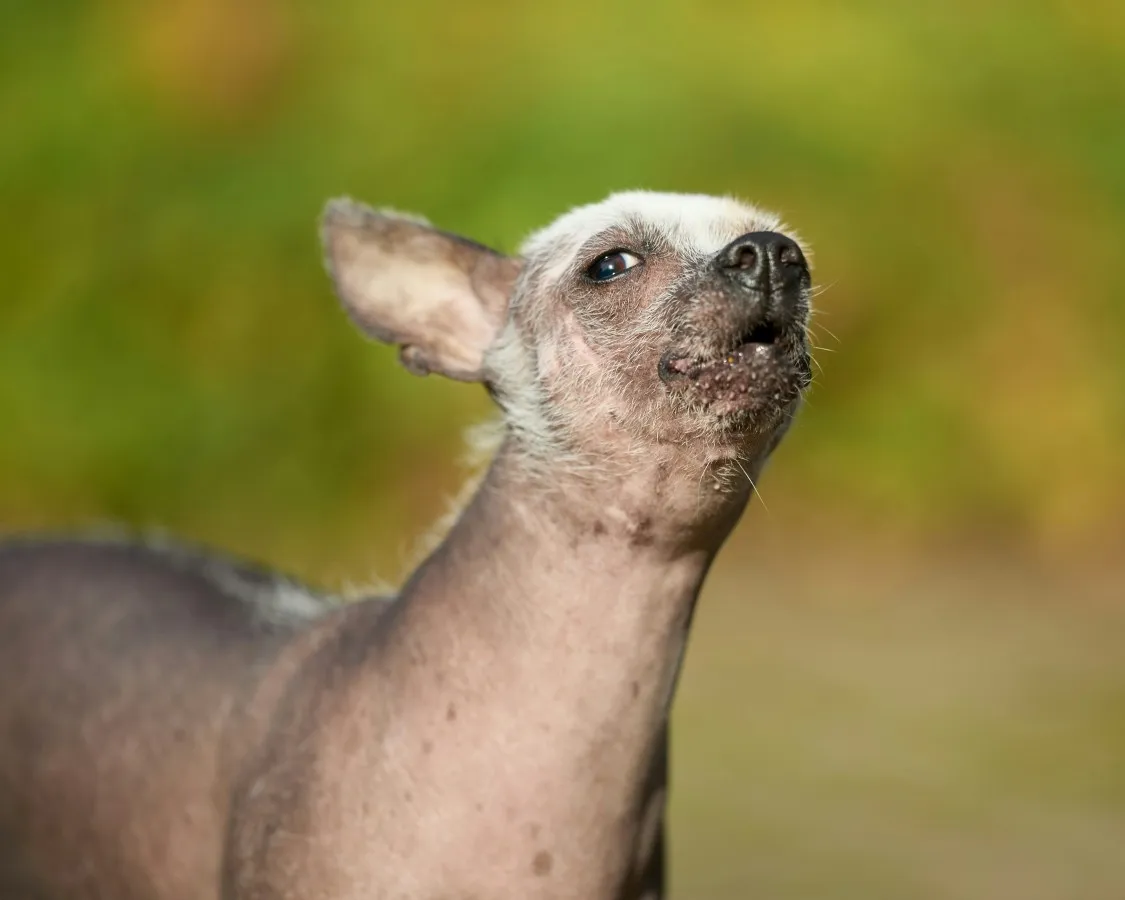
Are Chinese Cresteds Prone to Kneecap and Hip Problems?
Patellar luxation, in which the kneecap slips out of its groove, can cause skipping or a bunny-hopping gait. Mild cases may need no treatment, others are managed with anti-inflammatory medicines and joint supplements, and severe cases may need surgery. Legg-Calvé-Perthes disease, a genetic hip condition of young small dogs in which the top of the thigh bone breaks down, is also listed for the breed and can be treated with medication, therapy, or surgery.
Keeping your dog lean eases the strain on small joints, and pet steps or ramps are a low-cost way to reduce hard landings from furniture.
What Does Managing a Chinese Crested's Health Actually Cost?
| Condition or Need | Typical Cost Range | Notes |
|---|---|---|
| Routine annual care | $250 to $500/year | Exam, vaccines, parasite prevention |
| Professional dental cleaning | $300 to $700 | Sometimes needed more than once a year |
| Emergency lens luxation care | $1,500 to $3,000 or more | Higher if surgery is needed |
| Sun and cold protection | Modest, seasonal | Sunscreen, sweaters, moisturizer |
| Pet insurance | $35 to $55/month | Cheaper while young and healthy |
Questions to Ask a Breeder Before Buying a Puppy
Ask to see patella, cardiac, and eye evaluations for both parents, along with PLL and PRA DNA results. These are the tests the breed club recommends, listed in its toy group requirements. It is also worth asking about dental history in the line, such as early tooth loss, and how old relatives were when they died.
Daily Life With a Chinese Crested
This breed needs relatively little exercise and is often happy indoors, so short walks and indoor play usually suffice. The personality profile describes the affectionate, people-focused nature that makes a lap a favorite spot, and early, gentle training suits a sensitive small dog.
Grooming depends on the coat type. Hairless dogs need skin care and weekly nail checks, while Powderpuffs need regular brushing. Keep the ears clean and watch the eyes for redness, cloudiness, or discharge.

Keeping Your Chinese Crested Healthy for the Long Run
Chinese Cresteds regularly live 13 to 18 years. Brush the teeth, protect the skin from sun and cold, keep your dog lean, and schedule regular eye exams. Pet insurance is worth pricing while your dog is young and healthy, since much of the breed's cost comes from dental and eye care.
Final Thoughts From a Veterinarian
Chinese Cresteds often live 13 to 18 years. Protect hairless skin from sun and cold, brush teeth and schedule dental checks, and ask breeders for eye, kneecap, and DNA results. Treat a sudden painful eye as urgent. Your veterinarian can tailor the plan.
Health & Costs FAQ
How much do Chinese Crested cost?
A Chinese Crested from a reputable breeder commonly costs somewhere between about a thousand and a few thousand dollars, depending on region, bloodline, and coat type, and rescue adoption fees are usually lower. New owners should also budget for initial supplies and ongoing dental and skin care.
Purchase cost: 5 / 10
How long do Chinese Crested live?
Chinese Cresteds typically live 13 to 18 years. Daily tooth brushing, protecting the skin from sun and cold, a lean weight, and regular eye exams help them stay active into their senior years.
Life expectancy: 8 / 10
Are Chinese Crested healthy dogs?
Chinese Cresteds often live 13 to 18 years, but they have several breed-specific needs. Dental problems such as early tooth loss, sun- and cold-sensitive hairless skin, inherited eye diseases including PRA and lens luxation, and kneecap problems all occur. The breed club recommends patella, cardiac, eye, and PLL and PRA DNA testing for breeding dogs.
Health: 4 / 10
What health problems do Chinese Crested have?
Chinese Cresteds can develop dental disease and early tooth loss, dry or blocked-pore skin, progressive retinal atrophy, primary lens luxation, dry eye, patellar luxation, and Legg-Calvé-Perthes disease. A sudden red or painful eye needs same-day veterinary care. Dental care, skin protection, and screening of breeding dogs help most.
Health problem risk: 4 / 10
Are Chinese Crested expensive to maintain?
Chinese Cresteds are relatively affordable to keep because they are small and need little exercise. Owners should budget for quality food, routine veterinary care, and dental cleanings. The hairless variety needs skin care and sun protection, while Powderpuffs need regular brushing and trims, which can add to monthly expenses.
Maintenance cost: 4 / 10
How much does it cost to own a Chinese Crested per month?
Monthly ownership costs are $150-$350.
Monthly ownership cost: 7 / 10
How much does pet insurance cost for a Chinese Crested?
Pet insurance for a Chinese Crested typically costs between $35 and $55 per month. Prices depend on your dog's age, health history, and location. Because this breed can be prone to specific skin and dental issues, insurance is a wise investment to manage long-term veterinary expenses.
Pet insurance cost: 3 / 10
Will homeowners insurance cover a Chinese Crested?
Yes, most homeowners insurance policies will cover a Chinese Crested. They are not on typical restricted breed lists because of their small size and non-aggressive nature. However, you should always verify with your specific provider to ensure your liability coverage includes your individual pet.
Homeowners insurance difficulty: 9 / 10
Are Chinese Crested on insurance restricted breed lists?
No, Chinese Cresteds are not typically included on insurance restricted-breed lists. Insurers usually target larger breeds with histories of aggression or higher liability risks. As a small, gentle breed, the Chinese Crested is generally accepted by most providers under standard homeowners or renters insurance policies without additional restrictions.
Insurance restriction risk: 2 / 10
Can you get renters insurance with a Chinese Crested?
Yes, you can typically obtain renters insurance with a Chinese Crested. As a small toy breed, they are rarely included on insurance restricted lists. Most policies provide liability coverage for them, but you should always disclose your pet to your insurance provider and carefully check your lease agreement.
Renters insurance difficulty: 8 / 10