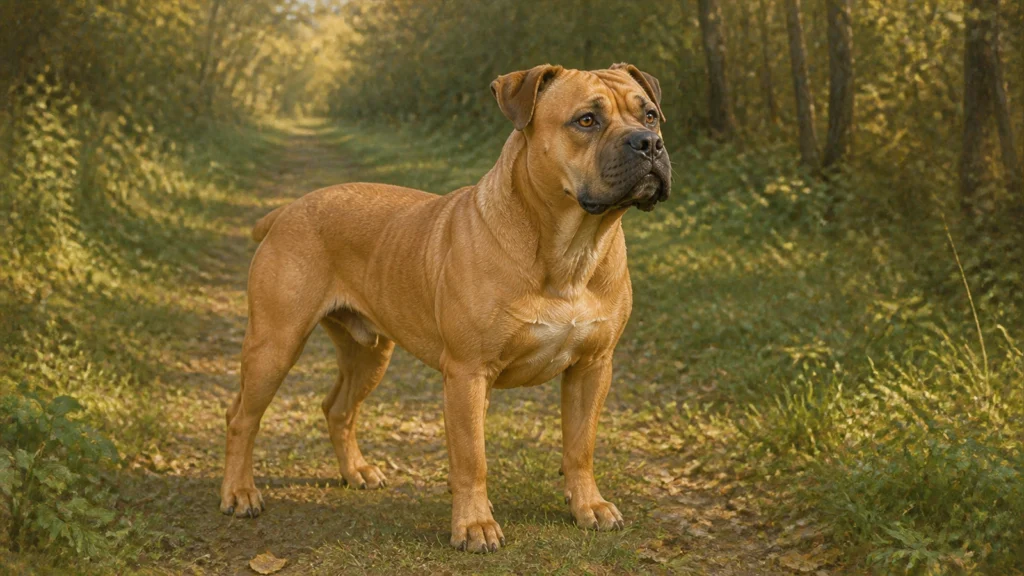
Continental Bulldog Training Profile
Breed Group
Companion Dogs
Country of Origin
Switzerland
Breed Size
Large
AKC Recognition
No
FCI Recognition
Yes, recognized in 2022
Mental stimulation needs
Mild Needs3 / 10
Trainability
6 / 10
Picky eater
Moderate5 / 10
Easy to train
Average5 / 10
Training stubbornness
Moderate6 / 10
Puppy training
Average6 / 10
Training FAQ
Are Continental Bulldog easy to train?
Continental Bulldogs are intelligent and generally easier to train than other bulldog breeds due to their eager-to-please nature. While they possess a characteristic stubborn streak and "clown factor," they respond well to calm, consistent leadership and positive reinforcement. Early socialization and short, engaging sessions are key to success.
Easy to train: 5 / 10
Are Continental Bulldog stubborn to train?
Continental Bulldogs possess a moderate independent streak that can lead to occasional stubbornness during training. They are generally agreeable but require consistent, patient leadership and positive reinforcement to stay engaged. Keep sessions short and reward-based to successfully manage their balanced yet determined nature and ensure cooperative behavior.
Training stubbornness: 6 / 10
How do you train a Continental Bulldog puppy?
Start training a Continental Bulldog puppy early with short, upbeat sessions and plenty of positive reinforcement. Their intelligence and eagerness to please make basic obedience manageable, though consistency is key to keeping their occasional stubborn streak in check.
Puppy training: 6 / 10
How difficult is potty training in Continental Bulldog?
Potty training a Continental Bulldog typically takes 4 to 6 months. While they are generally agreeable, their moderate stubbornness requires a consistent routine and positive reinforcement. Using a crate and maintaining a strict outdoor schedule will help these determined dogs master housebreaking rules effectively and efficiently.
Potty training difficulty: 5 / 10
How many walks does a Continental Bulldog need?
Continental Bulldogs require a moderate amount of daily exercise to stay fit and healthy. They typically need about one hour of activity each day, which can be split into two brisk walks of 30 minutes each. Supplementing walks with interactive play like fetch or tug-of-war will help keep them mentally and physically stimulated without overexertion.
Walking need: 6 / 10
What is the best daily routine for a Continental Bulldog?
A Continental Bulldog's daily routine should balance moderate physical activity with consistent mental engagement. Provide approximately 45 to 60 minutes of exercise, split into two brisk 20-30 minute walks at a steady pace, supplemented by short play sessions like fetch or tug-of-war. Feed adults twice daily and puppies three to four times to support their muscular build and prevent obesity. Essential daily care includes cleaning facial wrinkles and tail folds with wipes to prevent infection, along with short, 5-10 minute training sessions using positive reinforcement to manage their independent streak. Monitor them closely in hot weather to prevent overheating.
Routine need: 6 / 10
Vet Insights
Continental Bulldogs are intelligent and eager-to-please companions, offering a healthier, more athletic alternative to traditional bulldog breeds. They require moderate daily exercise and consistent, positive reinforcement to manage their occasional stubborn streak. Potty training typically takes four to six months. Their routine involves wrinkle care, heat management, and monitored feeding to support their muscular build and overall well-being.