Skip to content

Tibetan Terrier Training Profile

Tibetan Terriers are highly intelligent but famously stubborn, often weighing if a command is worth their effort. Their independent nature requires extreme patience and consistent positive reinforcement. Success depends on short, engaging training sessions and early socialization to manage their mischievous personality and curb shyness, ensuring they become well-mannered companions.

TRAINABILITY

Hard

2 out of 10

MENTAL STIMULATION NEEDS

High Needs

8 out of 10

LOVE FOR GRUB

Selective

4 out of 10

TRAINING FAQ

Are Tibetan Terriers easy to train?

Very Hard

1 out of 10

Tibetan Terriers are highly intelligent but famously stubborn, often weighing whether a command is worth their effort. Their independent nature and slow maturation require extreme patience and consistency. Success relies on positive reinforcement and short, engaging sessions to manage their charmingly strong-willed and mischievous personality.

Highly Stubborn

1 out of 10

Tibetan Terriers are highly intelligent but famously independent, often possessing their own agenda. They are charmingly stubborn and tend to weigh whether a command is worth their effort. Success requires extreme patience, consistent positive reinforcement, and high-value rewards to keep these sensitive thinkers engaged and cooperative.

Needs Patience

1 out of 10

Train Tibetan Terrier puppies using positive reinforcement and short, engaging sessions to manage their independent nature. Focus on early socialization to curb shyness and prioritize crate training for housebreaking. Maintain consistent, firm leadership to overcome their stubborn streak, ensuring sessions remain fun to keep their intelligent minds engaged.

Very Difficult

1 out of 10

Tibetan Terriers are highly intelligent but famously independent, often possessing their own agenda. They are charmingly stubborn and tend to weigh whether a command is worth their effort. Success requires extreme patience, consistent positive reinforcement, and high-value rewards to keep these sensitive thinkers engaged and cooperative.

Low Needs

2 out of 10

Tibetan Terriers are adaptable companions that typically require about 60 minutes of daily exercise to stay healthy and mentally stimulated. While they appreciate vigorous activities like hiking or long walks, they are also comfortable with shorter strolls and can adjust to their owner’s activity level. Consistent daily outings and interactive playtime are essential to prevent boredom and manage their independent nature.

Moderate

6 out of 10

A Tibetan Terrier’s daily routine should focus on consistent mental engagement and moderate physical activity to manage their independent nature. Provide 45 to 60 minutes of daily exercise, such as moderate walks, spirited fetch sessions, or gentle hikes, ideally split into two sessions. Feed adults twice daily with high-quality kibble, measuring portions carefully to prevent weight gain. Essential daily care includes short, varied training sessions using positive reinforcement to overcome their stubborn streak, along with puzzle toys or hide-and-seek games to satisfy their problem-solving smarts. Ensure they have plenty of social interaction, as they are happiest when participating in family activities.
VET INSIGHTS

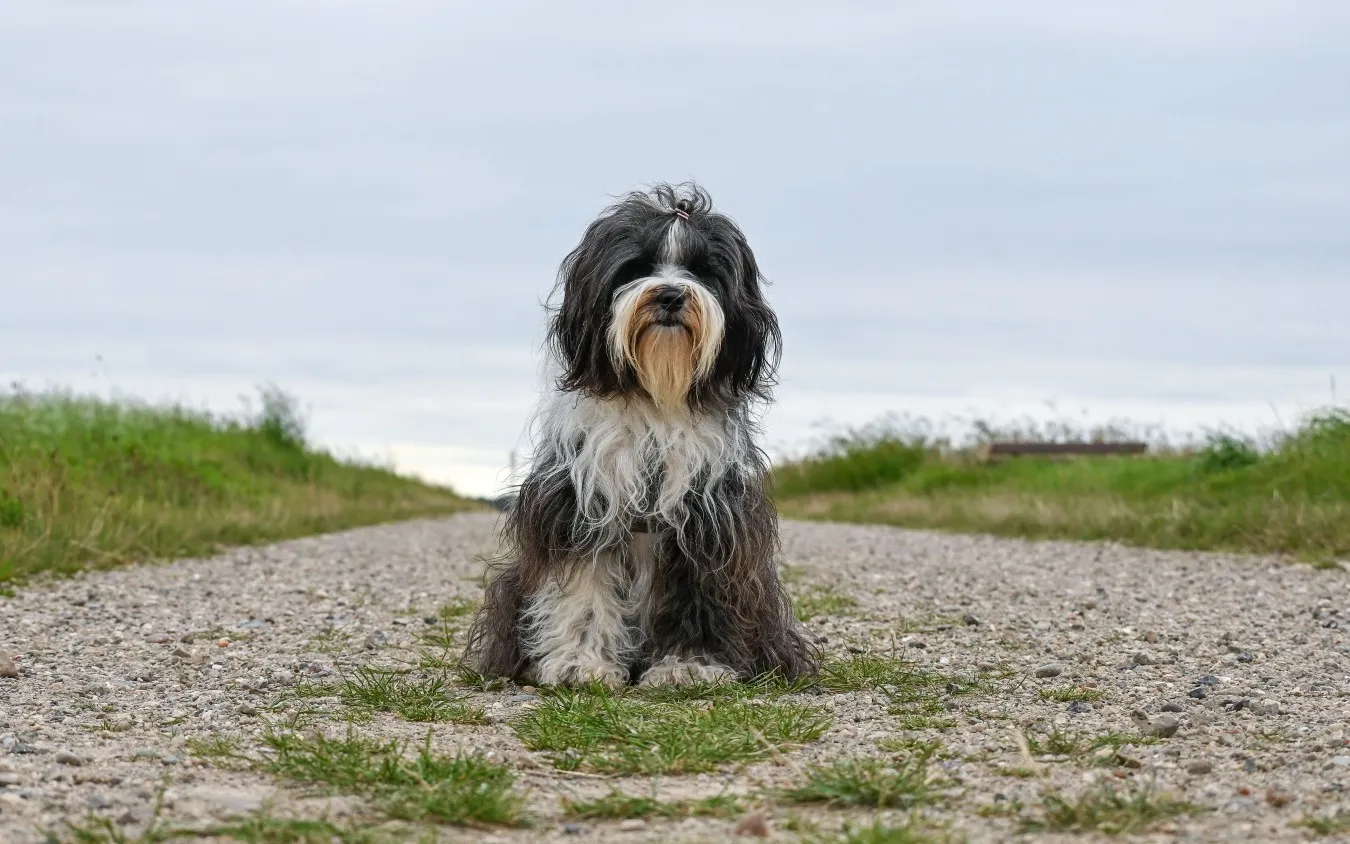
Tibetan Terriers are highly intelligent but famously stubborn, requiring patient, positive reinforcement to overcome their independent streak. They have high mental stimulation needs and require about an hour of daily moderate exercise. While housebreaking can be challenging, they are loyal companions. Their care routine should prioritize socialization to curb shyness and consistent mental engagement to manage their mischievous personality.


Photo
Reviewed by
Dr. Vojtech Gabriel
DVM · PhD · MBA
Veterinarian Researcher Dog breed specialist
Verified

Explore Other Breed TRAINING PROFILES