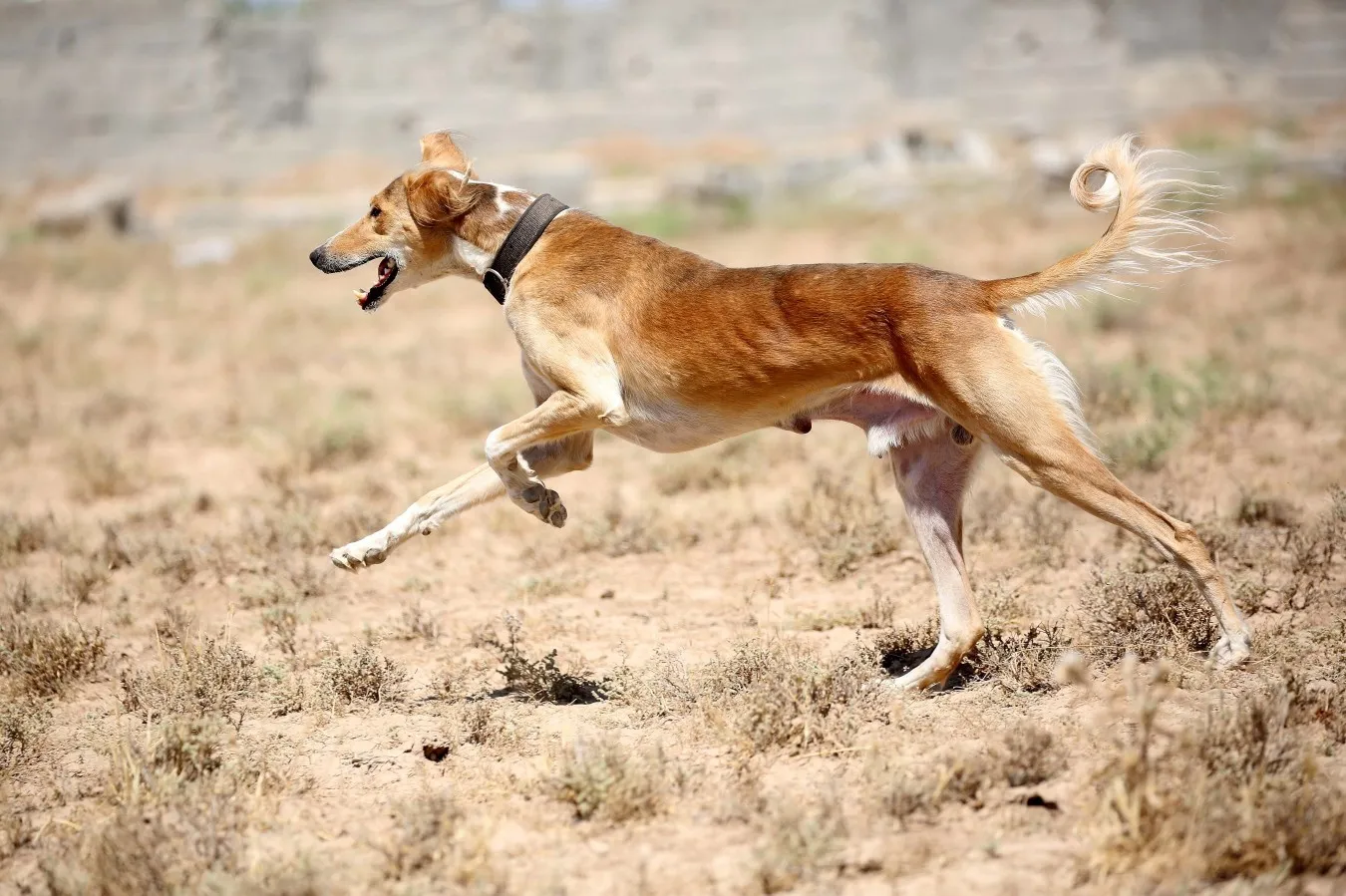
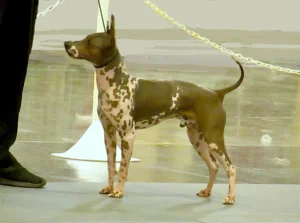
Saluki Grooming Profile
COAT TYPE
Smooth/Short
SHEDDING
Low
GROOMING SKILL
Easy
TRAINING FAQ
Are Salukis hypoallergenic?
Worst Choice
Salukis are not hypoallergenic. They produce dander and can trigger allergies, making them a poor choice for severe allergy sufferers. Regular cleaning and grooming can help manage allergens, but they will not eliminate them entirely.
Do Salukis shed a lot?
Low
Salukis are low shedders. Regular brushing is needed to manage their loose fur and keep your home clean.
How often should you groom your Saluki?
10 mins/week
To keep a Saluki healthy, regular grooming is required. Routine brushing of their smooth coat and specific care for their ear and tail feathering is essential to prevent tangles.
Are Salukis low maintenance dogs?
Moderate
Salukis are considered higher maintenance dogs. While grooming is easy, their high exercise needs (over 2 hours daily) and strong chase instinct make them higher maintenance than "moderate". They require consistent care, training, and exercise to thrive in a home environment.
How big do Salukis get?
Large
German Pinschers are medium-sized dogs, typically standing 17 to 20 inches tall according to AKC standards. They generally weigh between 25 and 45 pounds, possessing a sturdy, muscular, and square-built frame.
When do Salukis usually stop growing?
12-24 months
Salukis typically reach full height by 12-18 months, but they typically don't reach full physical maturity until age 3. While they reach full height by 12-18 months, they typically don't reach full physical maturity until age 3.
How much should a Saluki eat?
1.75-2.75 cups
Adult Salukis typically require 1.75 to 2.75 cups of high-quality dry food daily, divided into two meals. Naturally thin and athletic, they thrive on protein-rich diets that support lean muscle. They are known to be picky eaters, so monitor their intake to ensure they get enough nutrients.
How often should a Saluki eat?
3 meals/day
Saluki puppies require frequent, small meals to support their rapid growth and high energy levels. It is recommended to feed them three meals per day until six months of age, then switching to two meals daily to align with standard veterinary guidance for this breed. Recommend three meals per day until six months of age, then switching to two meals daily.