Norwegian Buhund Health and Costs
Breed Group
Spitz Dogs
Country of Origin
Norway
Breed Size
Medium
AKC Recognition
Yes, recognized in 2009
FCI Recognition
Yes, recognized in 1954
Rarity
Fairly Common4 / 10
Purchase cost
Moderate to Expensive5 / 10
Life expectancy
Long Lifespan8 / 10
Health
Generally healthy7 / 10
Health problem risk
Mild health concerns3 / 10
Maintenance cost
Moderate upkeep4 / 10
A Veterinarian's Guide
Norwegian Buhund Health Problems and Costs
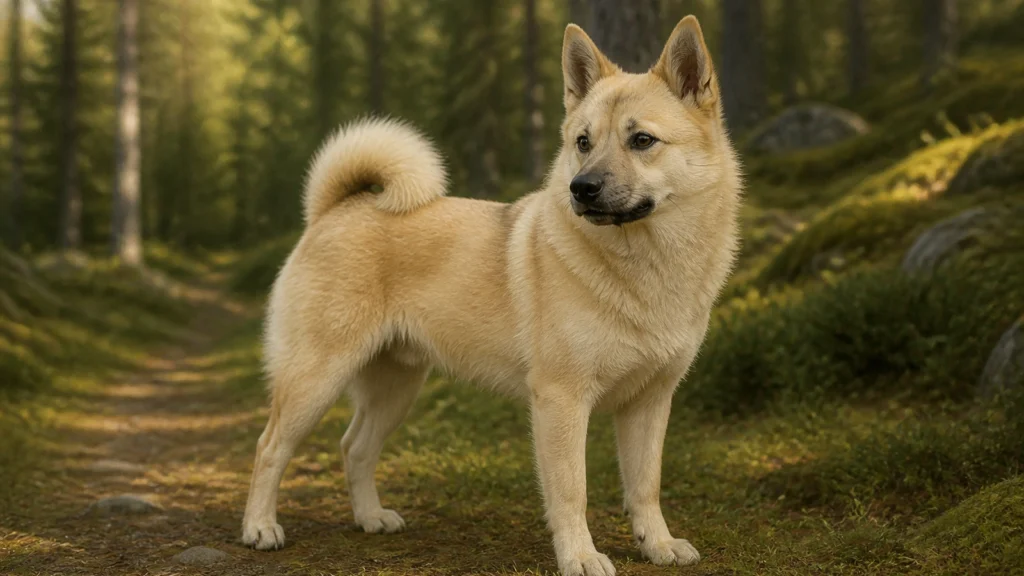
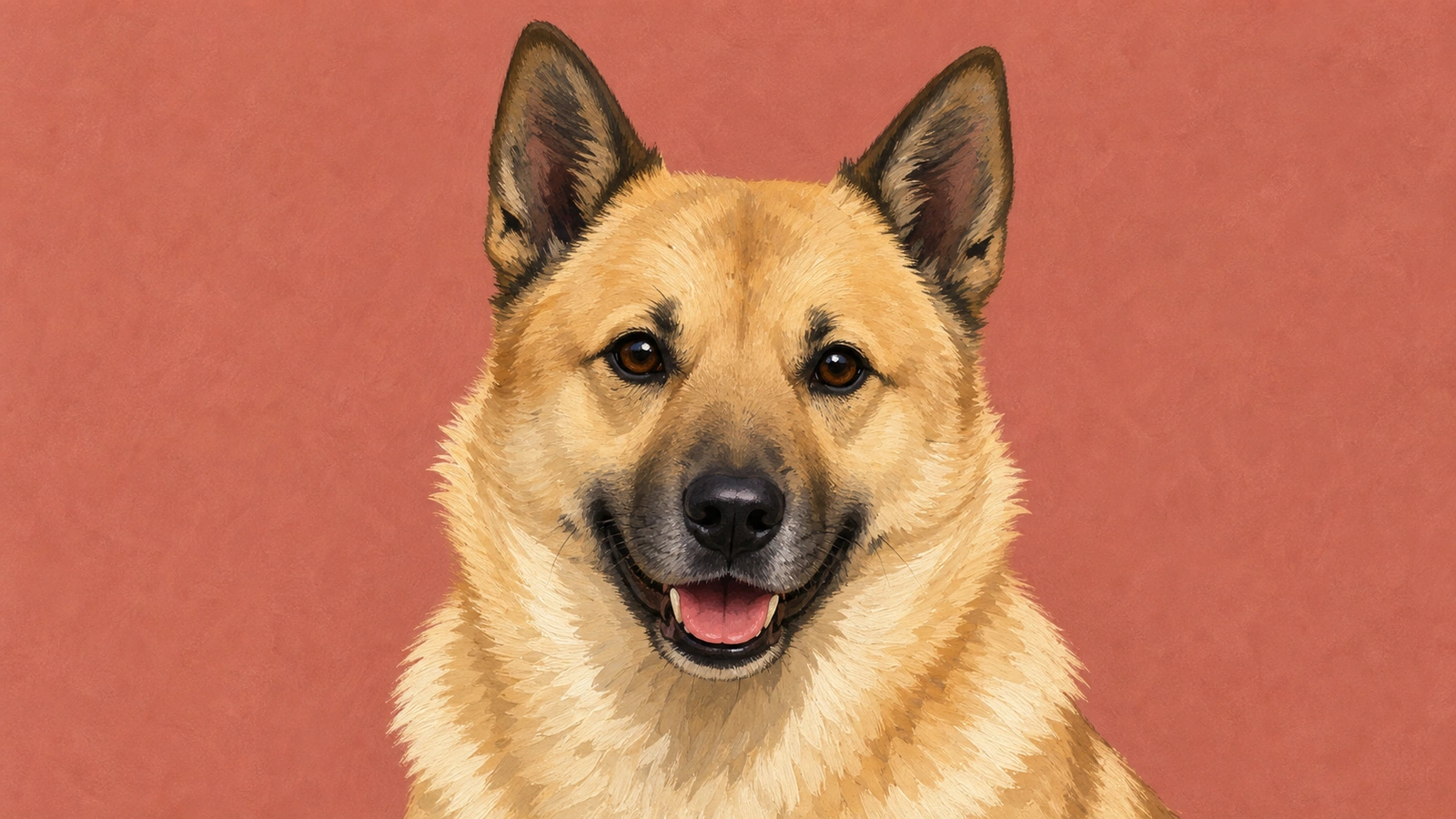
The Norwegian Buhund is a lively spitz-type farm dog from Norway, used for herding and guarding. It is generally healthy, but a short list of problems repeats in the breed: cataracts, hip dysplasia, and a rare inherited condition that affects coordination in young puppies. Knowing them before you bring a puppy home, or while you already share your life with one, makes screening and veterinary visits much easier to plan.
In this guide
Why Do Eyes Need Regular Screening in This Breed?
A cloudy eye is not always a slow cataract. Sudden cloudiness, redness, squinting, or signs of pain in your Buhund's eye needs a prompt veterinary exam, not a wait until the next routine check.
Cataracts, a clouding of the eye's lens, are one of the breed's main health concerns, and the form reported most often is the pulverulent nuclear cataract. Pulverulent comes from the Latin pulvis, "dust" or "powder," and describes the dusty look of the clouding in the center of the lens. These cataracts are inherited and tend to appear in adult dogs, and they may not be obvious early. Progression varies from dog to dog.
The breed club recommends an ophthalmologist evaluation for breeding dogs, and regular exams by a veterinary ophthalmologist starting in early adulthood give the most reliable read on how quickly a cataract is likely to progress. Most dogs adapt well to some lens clouding, and surgery is generally considered only when vision starts to interfere with daily life.
Why Do Hips Need Regular Screening?
Hip dysplasia, an inherited malformation of the hip joint that leads to a loose joint, pain, and arthritis over time, occurs in the breed. The word comes from the Greek dys, "bad," and plasis, "formation." A lively, energetic Buhund can hide early discomfort simply by staying busy, so waiting for an obvious limp often means the joint has been compensating for some time. A certified hip evaluation, which the breed club recommends for breeding dogs, tells you more than watching for visible signs.
Weight management protects joints that may already carry some structural risk. A body condition score tracked consistently over the years tells you more about joint risk than a single number on the scale.
What Rare Neurological Condition Should Breeding Dogs Be Tested For?
Cerebellar ataxia is a loss of coordinated movement that happens when the cerebellum, the part of the brain that coordinates motion and balance, does not work properly. The word ataxia comes from the Greek a-, "without," and taxis, "order." In the Buhund it is a rare inherited form, and a dog has to inherit the faulty gene from both parents to be affected, so carriers can look completely normal.
- 01
Wobbly gait
A puppy that staggers or sways while walking.
- 02
Head tremors
Shaking or bobbing of the head, especially when focused.
- 03
Poor coordination
Clumsiness that does not improve as the puppy grows.
- 04
Signs getting worse
Unsteadiness that becomes more noticeable over time.
The Kennel Club reports that the disease can affect dogs as young as 12 weeks of age, causing uncoordinated movement and head tremors, and that it is progressive with no effective treatment at present. A causative mutation has been identified, and an official DNA test can identify carriers. Because carriers are healthy themselves but can pass the gene on, testing before breeding lets breeders avoid pairing two carriers, even when both dogs look completely normal.
What Does Managing a Norwegian Buhund's Health Actually Cost?
| Condition or Need | Typical Cost Range | Notes |
|---|---|---|
| Eye exam | $75 to $200 | Regular rechecks starting in early adulthood |
| Hip radiographs (certified) | $250 to $450 | Before breeding, ideally |
| Cerebellar ataxia DNA test | $65 to $120 | One time, before breeding |
| Cataract surgery | $2,500 to $4,000 per eye | Only for significantly progressed cases |
Questions to Ask a Breeder Before Buying a Puppy
Ask for hip and eye results, along with the cerebellar ataxia DNA result, on both parents. A breeder who is unfamiliar with the ataxia test may simply not know it exists, since it is a relatively recent addition to the breed's health testing, but a serious breeder should be keeping up with these developments.
It also helps to ask about eye exam history in the line, particularly whether any relatives developed cataracts and at what age. That pattern helps set realistic expectations for your own puppy. Meeting an adult relative in person gives a useful sense of temperament and energy level.
Daily Life With a Norwegian Buhund
This versatile farm dog was historically used for herding and guarding, and that working background left it cheerful, intelligent, and very active. Expect to provide vigorous daily exercise and consistent training, because a bored Buhund tends to find its own entertainment. The personality profile describes an affectionate family dog that can be wary of strangers, and it is a vocal watchdog that barks at unfamiliar sounds, which suits a farm better than a noise-sensitive apartment building.
The short to medium double coat is easy to care for with weekly brushing, with extra brushing during the two yearly coat blowouts, as the grooming guide explains.
Keeping Your Norwegian Buhund Healthy for the Long Run
Schedule regular eye exams starting in early adulthood, and confirm hip and cerebellar ataxia testing before any dog enters a breeding program. Keep your dog lean throughout its life to protect its joints, and watch for early signs of uncoordinated movement in a young puppy. Pet insurance is worth pricing while your dog is young and healthy.
Final Thoughts From a Veterinarian
Norwegian Buhunds usually live 12 to 15 years and cost about $150 to $300 a month. Schedule hip and eye checks, ask breeders for the ataxia DNA result, and keep your dog lean. Your veterinarian can tailor the plan.
Health & Costs FAQ
How much do Norwegian Buhund cost?
Puppy prices from reputable breeders vary by region and line, and adoption is usually less expensive. Beyond the purchase price, budget for initial supplies, quality food for an active dog, and ongoing veterinary care.
Purchase cost: 5 / 10
How long do Norwegian Buhund live?
Norwegian Buhunds typically live about 12 to 15 years, depending on the source. A balanced diet, regular vigorous exercise, a lean weight, and routine veterinary checkups for hip and eye health help them stay active into their senior years.
Life expectancy: 8 / 10
Are Norwegian Buhund healthy dogs?
Norwegian Buhunds are generally healthy, active dogs, but they are not problem-free. Cataracts and hip dysplasia are the main concerns, and a rare inherited coordination disorder called cerebellar ataxia can affect young puppies. Breed clubs recommend hip and eye screening for breeding dogs, and regular checkups help catch trouble early.
Health: 7 / 10
What health problems do Norwegian Buhund have?
Norwegian Buhunds can develop hip dysplasia and inherited cataracts, and a rare inherited condition called cerebellar ataxia can cause wobbliness and head tremors in young puppies. Regular eye and hip screening, a lean weight, and DNA testing of breeding dogs help limit these hereditary concerns.
Health problem risk: 3 / 10
Are Norwegian Buhund expensive to maintain?
Norwegian Buhunds have moderate upkeep costs. The short to medium coat needs little professional grooming, but a very active dog needs quality nutrition and consistent exercise. Budget for routine veterinary checkups and for eye and hip screening to manage the breed's main health risks.
Maintenance cost: 4 / 10
How much does it cost to own a Norwegian Buhund per month?
Expect roughly $150 to $300 per month to own a Norwegian Buhund, depending on food, region, and insurance. This covers high-quality food for an active breed, routine veterinary care, and pet insurance. Training classes and grooming tools may add a little more.
Monthly ownership cost: 5 / 10
How much does pet insurance cost for a Norwegian Buhund?
Pet insurance for a Norwegian Buhund typically costs between $25 and $60 per month. Prices vary with your dog's age and location, and premiums rise as dogs get older. A plan is worth pricing while your dog is young, since cataracts and hip problems can lead to larger veterinary bills.
Pet insurance cost: 3 / 10
Will homeowners insurance cover a Norwegian Buhund?
Yes, most homeowners insurance policies cover Norwegian Buhunds as they are not typically on restricted breed lists. Known for their loyal and friendly temperament, they are generally considered low-risk pets. Always disclose your dog to your insurer to confirm liability coverage and ensure your specific policy remains active.
Homeowners insurance difficulty: 9 / 10
Are Norwegian Buhund on insurance restricted breed lists?
No, Norwegian Buhunds are not typically found on insurance restricted-breed lists. They are generally considered low-risk pets due to their friendly temperament. While most insurers provide standard coverage, always disclose your pet to your provider to ensure full liability protection and verify your specific policy terms.
Insurance restriction risk: 2 / 10
Can you get renters insurance with a Norwegian Buhund?
Yes, you can typically obtain renters insurance with a Norwegian Buhund. They are rarely included on restricted breed lists due to their friendly temperament. Most policies provide liability coverage for them, but always disclose your pet to your insurer and confirm any specific building rules with your landlord.
Renters insurance difficulty: 8 / 10