Basenji Training Profile
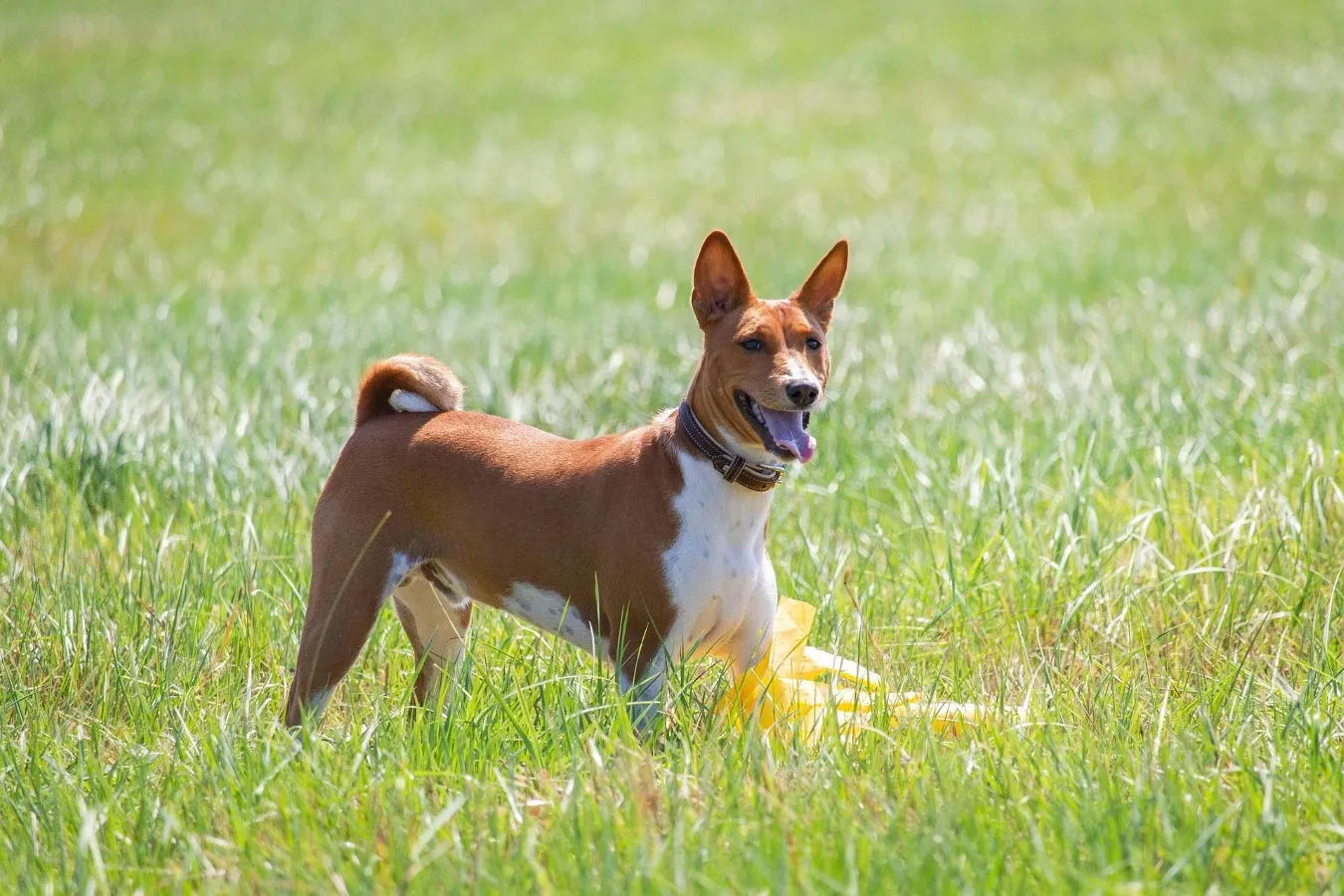
Basenjis are intelligent, independent, and cat-like, requiring immense patience and creative, reward-based training. Known for their stubbornness and lack of barking, they need consistent positive reinforcement and early socialization. High energy levels and a strong prey drive necessitate daily vigorous exercise and mental stimulation to prevent destructive behaviors and escape attempts.
TRAINABILITY
Hard
2 out of 10
MENTAL STIMULATION NEEDS
High
8 out of 10
LOVE FOR GRUB
Picky Eater
3 out of 10
TRAINING FAQ
Are Basenjis easy to train?
Very Hard
1 out of 10
Basenjis are famously independent and cat-like, often making them highly stubborn to train. Their high prey drive and intelligence mean they require extreme patience and creative, reward-based methods. Success depends on consistent, positive reinforcement and short sessions to keep this spirited, headstrong breed focused and engaged.
Are Basenjis stubborn?
Highly Stubborn
1 out of 10
Basenjis are notoriously stubborn and independent, often compared to cats in their temperament. They are highly intelligent but not inherently eager to please, meaning they often choose whether to obey based on their own interests. Training requires immense patience, creativity, and consistent positive reinforcement to overcome their self-willed nature.
How to train a Basenji puppy?
Needs Patience
1 out of 10
Train your Basenji puppy using short, five to ten minute sessions filled with positive reinforcement and high-value treats. These independent thinkers respond best to clicker training and creative engagement. Prioritize early socialization and maintain extreme patience and consistency to manage their stubborn nature and high prey drive.
How difficult is to potty train a Basenji puppy?
Very Difficult
1 out of 10
Potty training a Basenji typically takes several months due to their independent and stubborn nature. Their lack of barking means they rarely alert owners when they need to go out. Success requires a strict schedule, extreme patience, and consistent positive reinforcement to overcome their territorial instincts.
How many walks does a Basenji need?
Above Average
7 out of 10
Basenjis are high-energy sighthounds that typically require 60 to 90 minutes of daily exercise. Aim for at least two brisk 30-minute walks, but be prepared for more. Because of their intense prey drive and “escape artist” reputation, always keep them leashed unless in a securely fenced area.
What is the best daily routine for a Basenji?
High Needs
8 out of 10
A Basenji’s daily routine should balance their high intelligence with their need for moderate physical activity. Provide at least 30 to 60 minutes of daily exercise, such as brisk walks or fetch, and use different routes to keep them mentally engaged. Incorporate daily mental stimulation through puzzle toys, new trick practice, or nose work games to prevent destructive boredom. Establish consistent positive reinforcement training and crate training from day one to manage their independent nature. Ensure they have a secure, supervised environment to accommodate their strong prey drive and desire to explore.
VET INSIGHTS
Basenjis are intelligent, independent, and cat-like, requiring immense patience and creative, reward-based training due to their stubborn nature. These high-energy sighthounds need 60 to 90 minutes of daily exercise and have a strong prey drive. Housebreaking is challenging and takes months. Their routine must balance physical activity with mental stimulation through puzzle toys and consistent, positive leadership.

Reviewed by
Dr. Vojtech Gabriel
DVM · PhD · MBA
Veterinarian
Researcher
Dog breed specialist
✓
Verified