Caucasian Shepherd Dog Training Profile
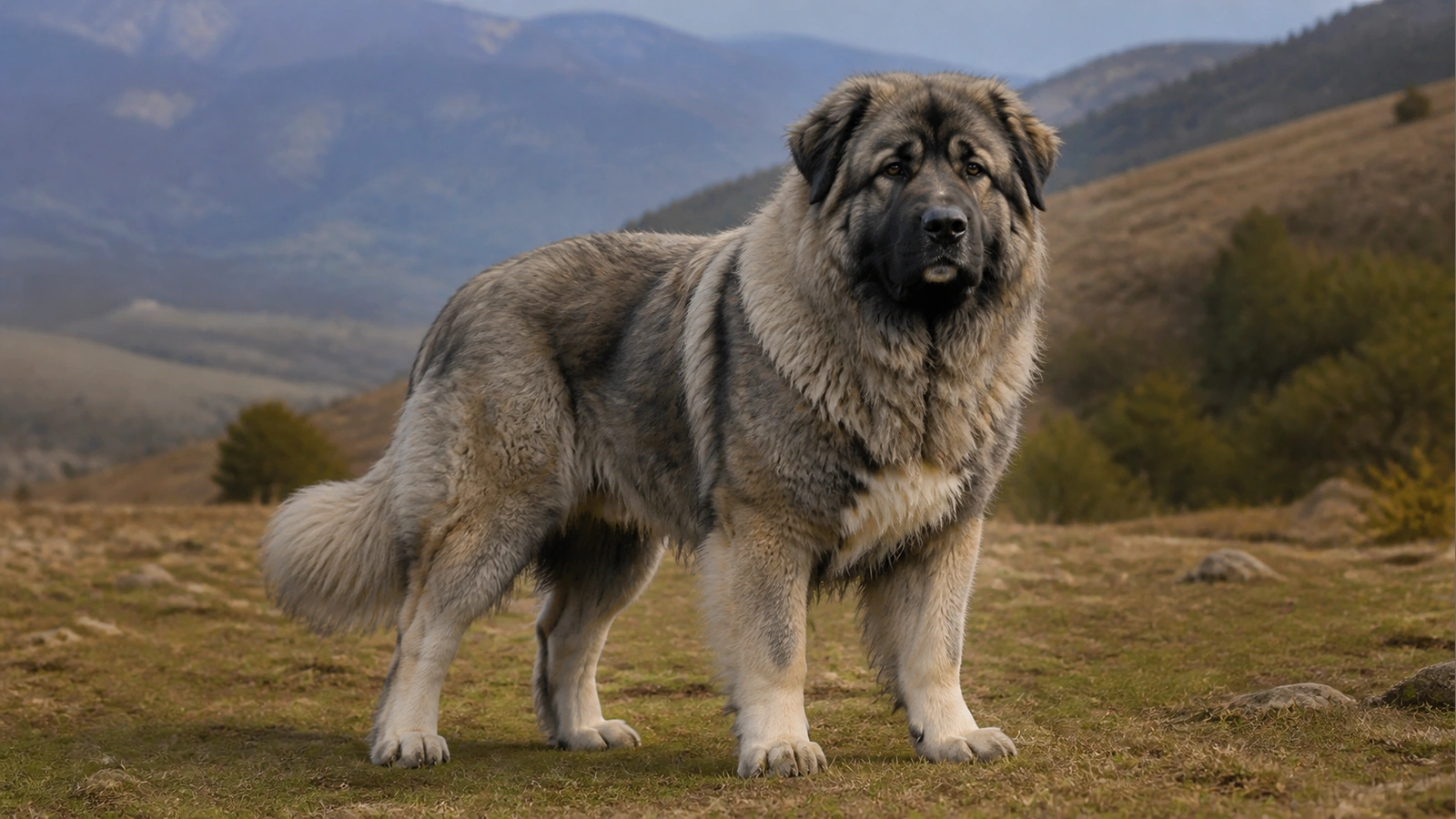
The Caucasian Shepherd Dog is highly independent and strong-willed, requiring a patient, experienced owner to navigate significant training challenges. Primarily bred as guardians, they lack a natural desire to please, making firm, consistent leadership and extensive early socialization essential to manage their territorial instincts and ensure disciplined, reliable behavior.
TRAINABILITY
Average
5 out of 10
MENTAL STIMULATION NEEDS
Very High
9 out of 10
LOVE FOR GRUB
Great Eater
8 out of 10
TRAINING FAQ
Are Caucasian Shepherd Dogs easy to train?
Average
5 out of 10
Caucasian Shepherd Dogs are highly independent and strong-willed, making them a significant challenge to train. Primarily bred as guardians, they lack a natural desire to please. Success requires a patient, experienced owner who provides firm, consistent leadership and extensive early socialization to manage their territorial instincts.
Are Caucasian Shepherd Dogs stubborn?
Sometimes Stubborn
5 out of 10
Caucasian Shepherd Dogs are notoriously stubborn and independent, as they were bred to make their own decisions while guarding livestock. They lack a natural desire to please and often ignore commands if they do not see a clear reason to obey. Training requires an experienced owner who can establish respect and leadership through consistency and patience, rather than relying on traditional obedience methods.
How to train a Caucasian Shepherd Dog puppy?
Moderate
5 out of 10
Caucasian Shepherd Dogs are highly independent and strong-willed, making them a significant challenge to train. Primarily bred as guardians, they lack a natural desire to please. Success requires a patient, experienced owner who provides firm, consistent leadership and extensive early socialization to manage their territorial instincts.
How difficult is to potty train a Caucasian Shepherd Dog puppy?
Moderate
5 out of 10
Potty training a Caucasian Shepherd Dog typically takes 4 to 6 months to achieve full reliability. While they are naturally clean, their highly independent and strong-willed nature requires a patient and consistent approach. Success relies on establishing a strict routine, utilizing crate training, and providing immediate positive reinforcement to help them understand indoor expectations.
How many walks does a Caucasian Shepherd Dog need?
Above Average
7 out of 10
Caucasian Shepherd Dogs typically require at least 60 minutes of daily exercise, such as long leashed walks or hikes, to maintain a healthy weight and satisfy their guarding instincts. While they have lower energy levels than some giant breeds, they possess great stamina and benefit from having a large, securely fenced yard to roam and patrol independently. For puppies, follow the five-minute rule of five minutes of exercise for every month of age to protect their developing joints and prevent future health issues like hip dysplasia.
What is the best daily routine for a Caucasian Shepherd Dog?
High Needs
8 out of 10
A Caucasian Shepherd Dog’s daily routine should focus on structured exercise and consistent leadership to manage their protective instincts. Provide at least 60 minutes of physical activity, ideally split into two 30-minute walks or hikes on a leash, combined with mental enrichment like nose work or puzzle toys. Feed adult dogs two scheduled meals and puppies three to four times daily, using high-protein large breed formulas while carefully monitoring portions to prevent obesity and joint strain. Essential daily care includes weekly brushing of their dense double coat and short, positive reinforcement training sessions to maintain obedience in this independent breed.
VET INSIGHTS
Caucasian Shepherd Dogs are highly independent and strong-willed guardians requiring experienced owners and consistent leadership. This breed needs early socialization to manage territorial instincts and moderate daily exercise to maintain health. While loyal to families, their stubborn nature makes training and housebreaking challenging, requiring significant patience, positive reinforcement, and a structured routine to ensure reliable behavior.

Reviewed by
Dr. Vojtech Gabriel
DVM · PhD · MBA
Veterinarian
Researcher
Dog breed specialist
✓
Verified