Skip to content

Löwchen Personality Profile

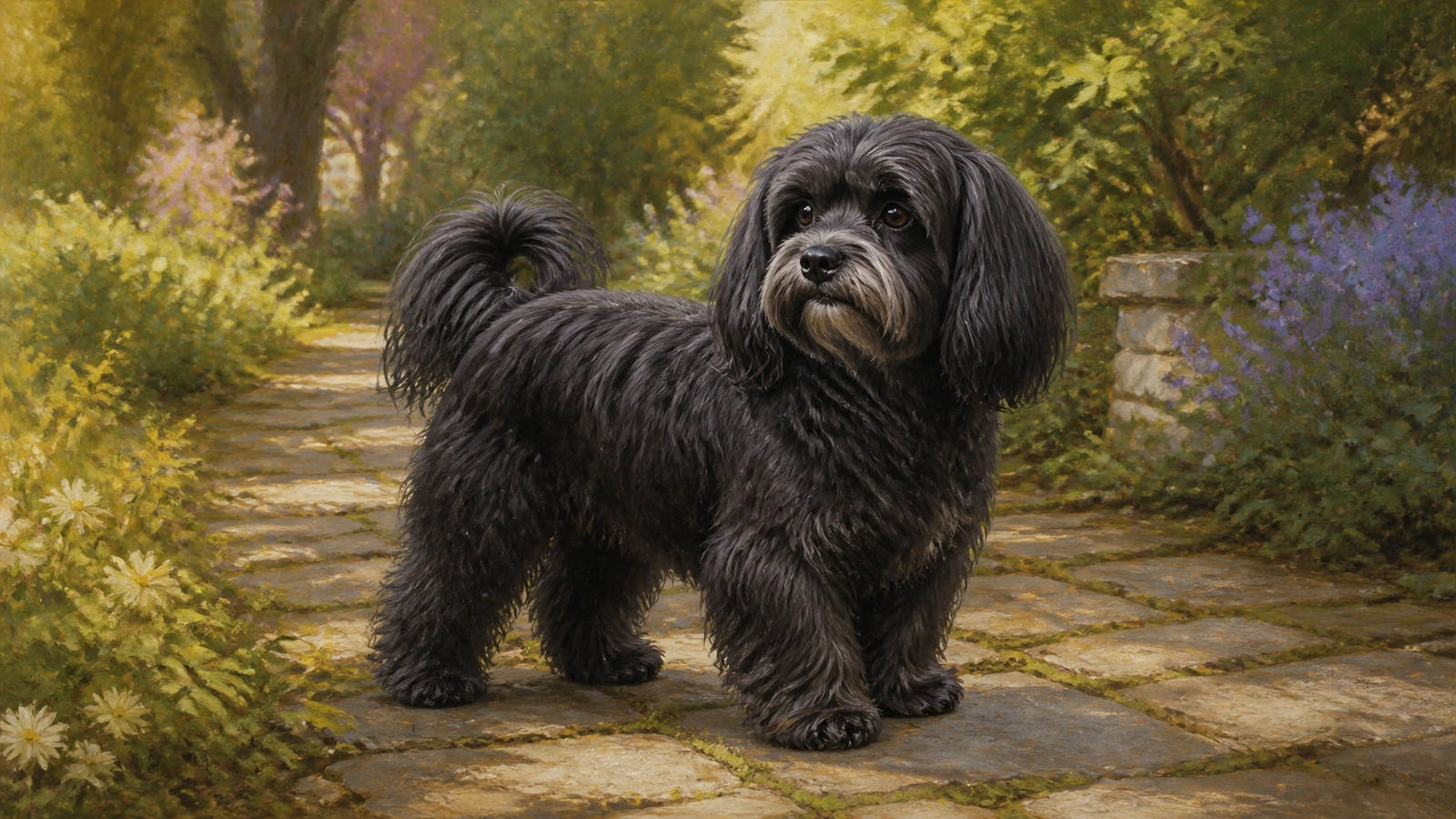
Löwchens are exceptionally smart, curious, and eager-to-please companions. Living up to their history as “comforters,” these affectionate “little lions” thrive on human companionship and love to cuddle. While they are courageous and vigilant watchdogs, they remain friendly, playful, and gentle, making them quintessential lap dogs and devoted family members.
FRIENDLINESS

Friendly

7 out of 10

ATTACHMENT

Affectionate

7 out of 10

PLAYFULNESS

Quite Playful

7 out of 10

TEMPERAMENT FAQ

Are Löwchens smart?

Smart

7 out of 10

Löwchens are exceptionally smart and curious dogs that excel in obedience and agility. Their quick-learning nature and eager-to-please attitude make training rewarding, though they can occasionally show a stubborn, independent streak. They thrive on mental engagement and love learning new tricks to entertain their families.
Very Affectionate

8 out of 10

Löwchens are incredibly affectionate and live up to their history as Renaissance “comforters.” These spirited “little lions” thrive on human companionship and love to cuddle up with their families after playtime. Their gentle, sociable nature makes them quintessential lap dogs that seek constant physical closeness and devotion.

Attached

7 out of 10

Löwchens thrive on human companionship and form strong attachments to their families. They prefer not to be left alone and can develop separation anxiety.

Moderate

4 out of 10

Löwchens are alert watchdogs that will bark to notify their owners of visitors or unusual noises. They are not typically nuisance barkers if properly trained.

Protective

8 out of 10

Löwchens are courageous and alert watchdogs that take their role as protectors seriously. Despite their small size, they are surprisingly brave and will fiercely alert you to intruders or perceived threats. While they are friendly social butterflies once introduced, they remain vigilant guardians of their home and family.

VET INSIGHTS

Löwchens thrive on human companionship and form strong attachments to their families. They prefer not to be left alone and can develop separation anxiety.

Photo
Reviewed by
Dr. Vojtech Gabriel
DVM · PhD · MBA
Veterinarian Researcher Dog breed specialist
Verified

Explore Other Breed Personalities