Basset Artésien Normand - MAIN HUB
BREED GROUP
Hound Dogs
Country of origin
France
BREED SIZE
Medium
BREED HEIGHT
12 -
14 IN
30 -
36 cm
BREED WEIGHT
33 -
44 LB
15 -
20 KG
WHAT YOU NEED TO KNOW
american kennel club (AKC) recognition
No
Breed was recognized in 0.

International Canine Federation (FCI) recognition
No
Breed was recognized in 0.
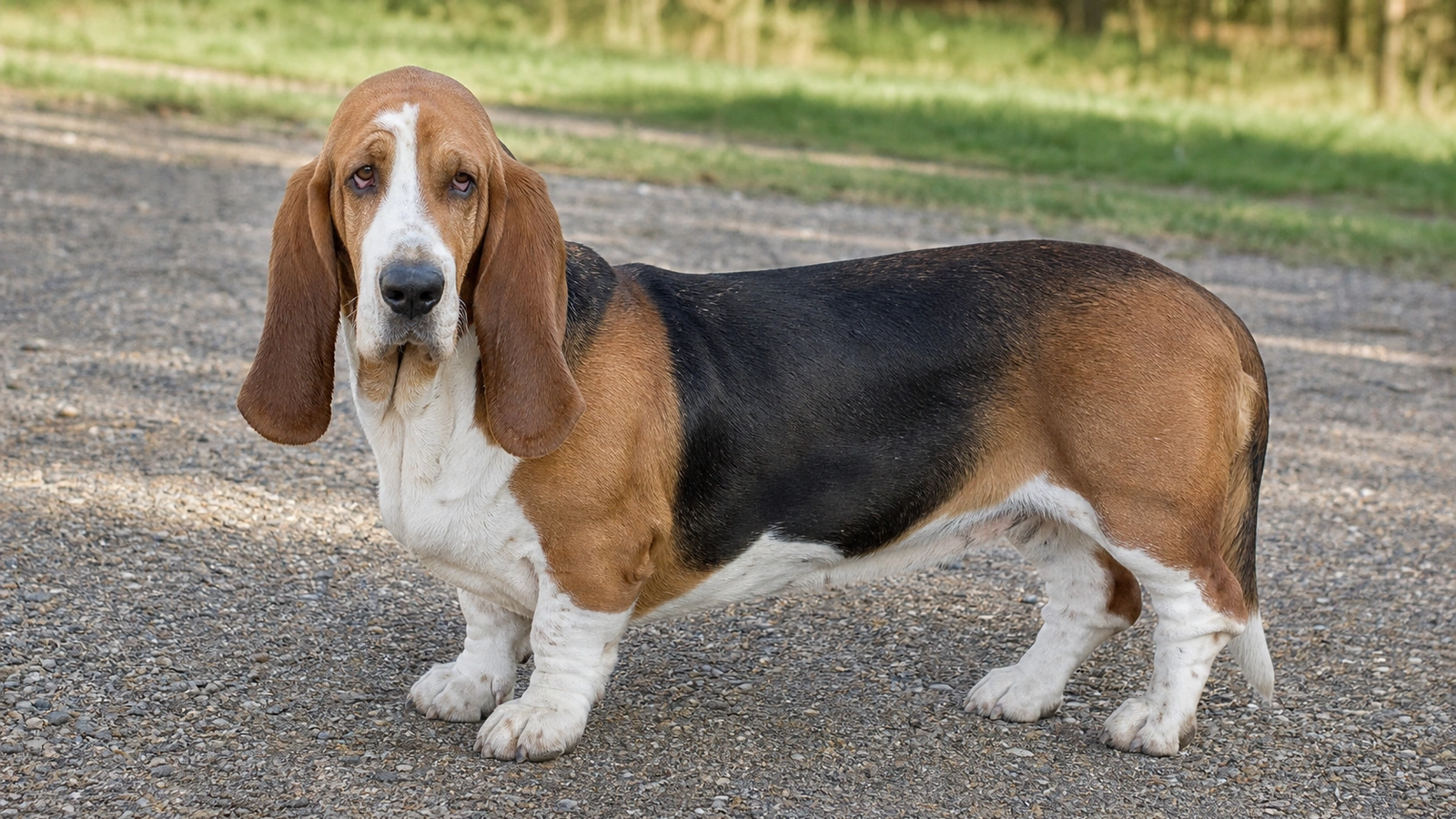
WHAT DO OWNERS WANT TO KNOW?
Are Basset Artésien Normands good family dogs?
Excellent
9 out of 10
The Basset Artésien Normand is an ideal family dog due to its calm, sociable nature and friendly attitude toward children and other pets. They are loyal and affectionate companions that thrive in active households, though they do require a fenced yard to safely manage their high prey drive.


Are Basset Artésien Normands good with kids?
Excellent
9 out of 10
Basset Artésien Normands are generally excellent with children, known for their gentle, patient, and tolerant nature. Their calm and sociable demeanor makes them wonderful family companions that typically form strong bonds with kids. While they are famously kind, supervision is recommended during play to ensure safe interactions for both the dog and child.
Are Basset Artésien Normands good dogs for first time owners?
Good
6 out of 10
Basset Artésien Normands are generally good for first-time owners due to their calm, sociable, and affectionate nature. While their stubbornness and scent-driven independence can make training a challenge for novices, their gentle temperament and moderate exercise needs make them rewarding companions. Success for a first-time owner requires patience, consistent positive reinforcement, and a commitment to keeping them on a leash or in a fenced area to manage their high prey drive.
Are Basset Artésien Normands good apartment dogs?
Good
10 out of 10
Basset Artésien Normands can adapt well to apartment living due to their calm and sociable temperament. While they are relatively inactive indoors, they still require daily walks and mental stimulation to stay healthy. Their moderate size and gentle nature make them manageable in smaller spaces, provided owners are committed to meeting their exercise needs and providing consistent companionship.
Do Basset Artésien Normands need a yard?
Highly Recommended
8 out of 10
A yard is not strictly required for a Basset Artésien Normand, as they can adapt to various living situations if provided with regular daily exercise. However, a securely fenced yard is highly recommended to safely accommodate their high prey drive and tendency to wander off when following a scent. Daily walks and scent-based activities are essential to keep this calm and sociable hound mentally and physically stimulated.
Can Basset Artésien Normands be left at home alone?
Fair
3 out of 10
Basset Artésien Normands can tolerate being left alone for moderate periods, but their social and loyal nature means they thrive on human companionship. Prolonged isolation may lead to boredom or separation anxiety. They are best suited for households where someone is frequently present to provide the regular interaction and engagement these intelligent scent hounds need.
Do Basset Artésien Normands tolerate cats well?
Very Good
7 out of 10
Basset Artésien Normands generally coexist peacefully with cats, especially when socialized from a young age. Their calm and sociable nature helps them integrate into multi-pet households, although their natural scent hound instincts may occasionally trigger a desire to chase. Providing consistent training and supervised introductions will ensure a harmonious relationship between the dog and feline companions.
Are Basset Artésien Normands known to be aggressive?
Protective
3 out of 10
Basset Artésien Normands are typically calm, sociable, and gentle dogs that are not naturally aggressive. While they may be reserved with strangers or protective of their territory, they are generally friendly toward people and other pets. Consistent training and early socialization are important to ensure their natural hound instincts and protective nature remain well-balanced and manageable within a family setting.
Do Basset Artésien Normands have a lot of energy?
Couch Potato
3 out of 10
Basset Artésien Normands are famously low-energy and lazy indoors, though they thrive on outdoor adventures. While they are calm and balanced indoors, they possess a keen hunting instinct that requires regular engagement. Daily activities like walks, hikes, and scent-based games are essential to satisfy their intelligence and prevent boredom.
How much exercise do Basset Artésien Normands need?
~60-90 min a day
7 out of 10
Basset Artésien Normands are energetic scent hounds that require a fair amount of daily activity, typically needing between 60 and 90 minutes of exercise. This should include brisk walks and opportunities to explore their surroundings with their powerful noses. Engaging them in scent work or tracking games provides essential mental stimulation that helps prevent boredom and undesirable behaviors. Due to their high prey drive, they should always be kept on a leash or in a securely fenced area during outdoor activities.
Do Basset Artésien Normands tolerate hot weather well?
Average
5 out of 10
Basset Artésien Normands can tolerate warm weather relatively well due to their short, smooth coats. However, like all hounds, they should not be over-exercised during peak heat hours. Owners should provide ample shade, fresh water, and monitor for signs of overheating, especially during long tracking sessions in the summer.
Are Basset Artésien Normands good with cold weather?
Average
5 out of 10
Basset Artésien Normands can tolerate warm weather relatively well due to their short, smooth coats. However, like all hounds, they should not be over-exercised during peak heat hours. Owners should provide ample shade, fresh water, and monitor for signs of overheating, especially during long tracking sessions in the summer.
Are Basset Artésien Normands sometimes banned from rentals?
Moderate Risk
6 out of 10
Basset Artésien Normands are typically not included on restricted breed lists, but they face a moderate risk of restriction in apartments due to their weight and vocal nature. Their medium size often approaches the 40-50 pound weight limits common in many rentals, and their tendency to be vocal can lead to noise complaints. Prospective owners should verify specific landlord policies regarding weight limits and noise before moving into a shared living space.
WHAT DO OWNERS WANT TO KNOW?