Hamiltonstovare - MAIN HUB
BREED GROUP
Hound Dogs
Country of origin
Sweden
BREED SIZE
Medium
BREED HEIGHT
18 -
24 IN
46 -
61 cm
BREED WEIGHT
50 -
60 LB
23 -
27 KG
WHAT YOU NEED TO KNOW
american kennel club (AKC) recognition
No
Breed was recognized in 0.

International Canine Federation (FCI) recognition
Yes
Breed was recognized in 1955.
WHAT DO OWNERS WANT TO KNOW?
Are Hamiltonstovares good family dogs?
Fair
4 out of 10
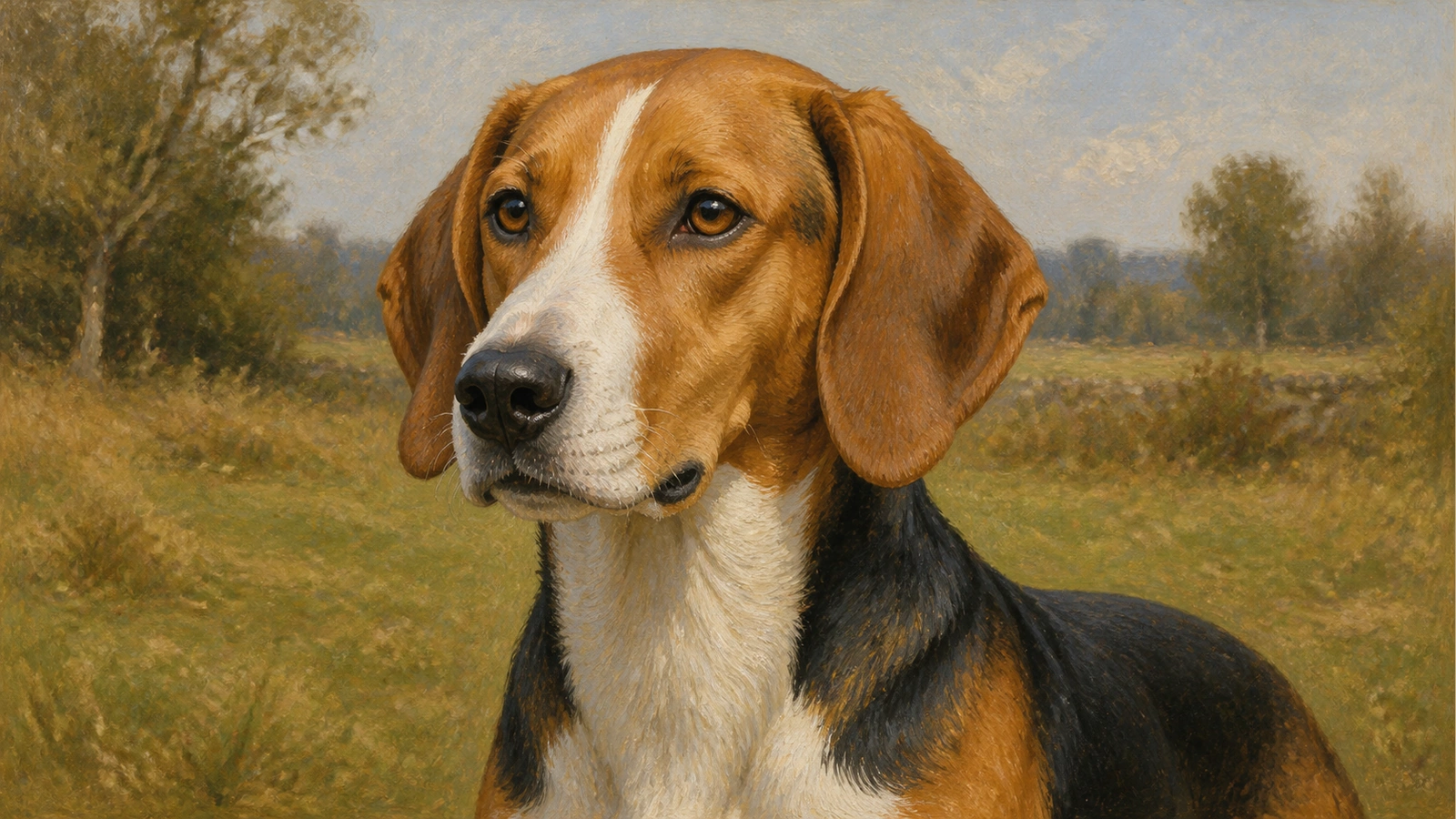
The Hamiltonstovare makes a loyal family companion that bonds closely with humans and is known for its friendly, even-tempered nature. However, they require at least two hours of daily exercise to prevent destructive behaviors and are best suited for active families who can manage their strong prey drive and stubborn streak.

Are Hamiltonstovares good with kids?
Fair
4 out of 10
Hamiltonstovares are loyal, even-tempered hounds that can be good companions for children when properly socialized. However, their large size and high energy levels may be overwhelming for smaller children, and their strong prey drive requires consistent supervision. They are best suited for active families with older children who can respect the dog's boundaries and handle its spirited nature.
Are Hamiltonstovares good dogs for first time owners?
Below Average
4 out of 10
Hamiltonstovares are generally not recommended for first-time owners due to their high exercise requirements, strong prey drive, and independent, stubborn nature. They thrive best with experienced handlers who can provide the consistent, firm training and significant daily activity needed to manage their energy and prevent destructive behaviors.
Are Hamiltonstovares good apartment dogs?
Fair
3 out of 10
Hamiltonstovares are fair apartment dogs because they are large, energetic scent hounds that require significant daily exercise and space to roam. While they are calm and even-tempered indoors, their tendency for loud barking and high physical needs make them better suited for rural homes with secure gardens. Owners in smaller spaces must commit to at least two hours of vigorous outdoor activity to prevent vocal or destructive behaviors.
Do Hamiltonstovares need a yard?
High
3 out of 10
A securely fenced yard is highly recommended for a Hamiltonstovare because they are large, energetic scent hounds that need significant space to roam. Their high stamina and strong prey drive make a secure outdoor area essential for safe exploration and to help prevent the vocal or destructive behaviors often associated with boredom.
Can Hamiltonstovares be left at home alone?
Average
5 out of 10
Hamiltonstovares are social and loyal hounds that bond closely with their owners, but they can be prone to destructive behaviors or excessive vocalization if left alone for too long without adequate mental or physical stimulation. While they can manage moderate periods of solitude if their high exercise needs are met beforehand, they thrive best in active households where they receive consistent companionship and are not isolated for extended periods.
Do Hamiltonstovares tolerate cats well?
Below Average
3 out of 10
Hamiltonstovares possess a strong prey drive due to their hunting heritage, which can make living with cats a challenge. While they may form bonds with feline housemates if raised together from a young age, their natural instinct to chase is often triggered by smaller animals. Early socialization and constant supervision are essential to maintain a safe environment for cats.
Are Hamiltonstovares known to be aggressive?
Balanced
5 out of 10
Hamiltonstovares are not naturally aggressive and are known for their friendly, even-tempered, and cheerful nature. While they possess a strong prey drive and are fearless in the field, they are loyal and dedicated to their owners, typically getting along well with both children and strangers. Proper socialization and consistent, positive leadership are essential to manage their independent streak and ensure they remain well-behaved companions.
Do Hamiltonstovares have a lot of energy?
Energetic
7 out of 10
Hamiltonstovares are energetic scent hounds with high stamina that require significant daily physical activity and mental stimulation. Originally developed for solitary hunting in Sweden, they thrive when given a job to do or participating in outdoor adventures like hiking. Without at least two hours of vigorous exercise, these smart and active dogs may become bored, leading to vocal or destructive behaviors.
How much exercise do Hamiltonstovares need?
~60 min a day
6 out of 10
Hamiltonstovares are energetic scent hounds that require a minimum of one to two hours of daily exercise to stay healthy and prevent destructive behaviors. They thrive on activities that engage their keen sense of smell, such as long exploratory hikes, brisk walks, and scent-tracking games. Because of their high stamina and strong prey drive, they are best suited for active owners who can provide consistent physical and mental stimulation in secure, leashed, or fenced environments.
Do Hamiltonstovares tolerate hot weather well?
Great
8 out of 10
Hamiltonstovares generally have a low tolerance for hot weather and can be sensitive to high temperatures. Due to their active nature and thick double coat, they are prone to overheating when temperatures exceed 80 degrees Fahrenheit. Owners should provide ample shade and fresh water, and avoid strenuous exercise during the heat of the day to prevent heatstroke.
Are Hamiltonstovares good with cold weather?
Great
8 out of 10
Hamiltonstovares generally have a low tolerance for hot weather and can be sensitive to high temperatures. Due to their active nature and thick double coat, they are prone to overheating when temperatures exceed 80 degrees Fahrenheit. Owners should provide ample shade and fresh water, and avoid strenuous exercise during the heat of the day to prevent heatstroke.
Are Hamiltonstovares sometimes banned from rentals?
Often Restricted
4 out of 10
Hamiltonstovares are often restricted in apartments and rentals due to their large size and high exercise needs. Their loud, resonant baying and potential for destructive behavior when bored can lead to noise complaints or property damage. Prospective owners should check specific weight limits and breed policies, as their need for significant activity often makes them better suited for houses with yards rather than compact rental units.
WHAT DO OWNERS WANT TO KNOW?