Skip to content

Lhasapoo - MAIN HUB

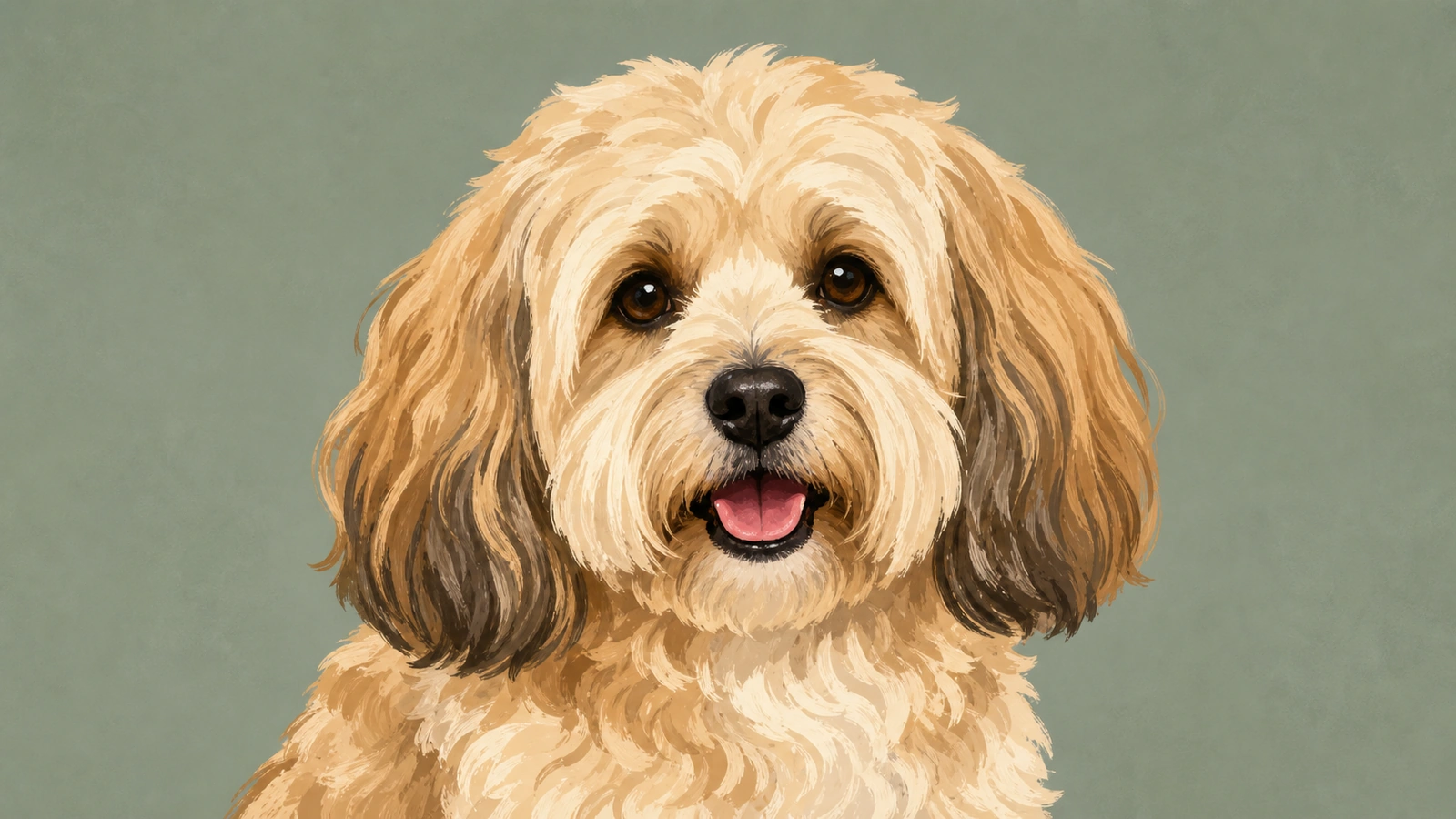
Meet the Lhasapoo! This fluffy, intelligent “teddy bear” is a loyal, low-shedding companion that’s perfect for apartments and cuddly family life.

BREED GROUP

Hybrid Dogs

Country of origin

United States

BREED SIZE

Small

BREED HEIGHT

9 -

13 IN

23 -

33 cm

BREED WEIGHT

10 -

20 LB

5 -

9 KG

WHAT YOU NEED TO KNOW

The Lhasapoo is an affectionate, intelligent designer breed crossing a Lhasa Apso and a Poodle. Typically weighing 10-20 pounds, these small companions are ideal for apartments and families with older children. They possess a loyal, playful temperament but can inherit a stubborn or watchful streak from their Lhasa ancestry. While they have moderate exercise needs, they require significant grooming due to their thick, low-shedding coats. Owners should prioritize early socialization and positive reinforcement training to manage potential wariness of strangers and ensure a well-adjusted pet with a lifespan of 12-15 years.
american kennel club (AKC) recognition

No

Breed was recognized in 0.

International Canine Federation (FCI) recognition

No

Breed was recognized in 0.

WHAT DO OWNERS WANT TO KNOW?

Are Lhasapoos good family dogs?

Poor

2 out of 10

The Lhasapoo is an affectionate and loyal companion that is well-suited for families, particularly those with older children. While they have a playful temperament, their potential for a stubborn or watchful streak means early socialization is important for a well-adjusted family pet.

Not Recommended

2 out of 10

Lhasapoos are generally patient and affectionate with children, making them good family companions. Their small size and gentle nature are well-suited for kids, though they may be less responsive to the sudden, boisterous movements of younger children. As with any small breed, supervision is recommended during play to ensure interactions remain safe and to prevent accidental injury to the dog.

Poor

2 out of 10

Lhasapoos are generally well-suited for first-time owners due to their adaptable nature, intelligence, and eagerness to please, making them responsive to positive training methods. While they can inherit a stubborn streak or wariness of strangers from their Lhasa Apso ancestry, their moderate exercise needs and affectionate personalities make them rewarding and manageable companions for novices. Success for a first-time owner involves commitment to regular grooming for their thick coats and providing early socialization to ensure a well-adjusted, confident pet.

Excellent

9 out of 10

Lhasapoos are excellent apartment dogs because of their small size, moderate exercise needs, and adaptable nature. They thrive in smaller living spaces and are generally content with indoor play and short daily walks. While their watchful heritage may lead to occasional barking, their affectionate and loyal temperament makes them ideal companions for city dwellers seeking a cuddly, low-shedding pet.

Rarely Needed

9 out of 10

A yard is not strictly required for a Lhasapoo, as their small size and moderate energy levels make them well-suited for apartment living. While a secure yard offers a convenient space for play and exercise, daily walks and indoor activities are typically sufficient to keep this adaptable designer breed healthy and happy.

Above Average

6 out of 10

Lhasapoos generally tolerate being alone better than many other designer breeds, inheriting an independent streak from their Lhasa Apso ancestry. While they can manage moderate periods of solitude, they still thrive on human companionship and may become bored or vocal if isolated for too long. Providing mental stimulation and toys helps ensure they remain calm while their owners are away.

Very Good

7 out of 10

Lhasapoos generally get along well with cats, especially when socialized from a young age. Their playful yet gentle nature, inherited from both the Poodle and Lhasa Apso, allows them to coexist peacefully, though their watchful Lhasa ancestry may occasionally lead to territorial behavior. Slow, supervised introductions are recommended to ensure a harmonious bond between pets.

Moderate

6 out of 10

Lhasapoos are not naturally aggressive but possess a watchful and protective nature inherited from their Lhasa Apso ancestry. While they are affectionate and loyal to their families, they can be wary and reserved with strangers. Early socialization and consistent positive reinforcement training are essential to manage their potential territorial behavior and ensure their guarding instincts do not develop into aggression.

Energetic

7 out of 10

Lhasapoos are energetic and playful small dogs that possess a spirited nature. While they enjoy active play sessions and daily walks to burn off energy, they are also quite adaptable and happy to cuddle with their owners. Providing consistent mental stimulation and moderate physical activity is essential to keep these intelligent companions happy and prevent boredom.

30-60 min a day

2 out of 10

Lhasapoos require moderate daily exercise, typically around 30 to 60 minutes, split into brisk walks and engaging play sessions. Providing mental stimulation through puzzle toys and training is also essential to keep these intelligent, energetic companions happy and prevent boredom-induced behaviors.

Good

6 out of 10

Lhasapoos generally tolerate warm weather well, but their thick coats can cause them to overheat if they are not properly maintained. Owners should provide plenty of fresh water and shade during outdoor activities. Keeping their coat clipped shorter in the summer and limiting exercise to the cooler parts of the day will help ensure they remain comfortable and safe from heatstroke.

Good

6 out of 10

Lhasapoos generally tolerate warm weather well, but their thick coats can cause them to overheat if they are not properly maintained. Owners should provide plenty of fresh water and shade during outdoor activities. Keeping their coat clipped shorter in the summer and limiting exercise to the cooler parts of the day will help ensure they remain comfortable and safe from heatstroke.

Low Risk

7 out of 10

Lhasapoos are generally considered low-risk for breed bans due to their small size and non-aggressive reputation. While they are often welcomed in apartments, their tendency to be vocal and watchful can occasionally lead to noise complaints. As a designer breed, they typically fall well under standard weight limits, but it is always best to verify specific landlord policies regarding vocal pets or general rental insurance requirements.

WHAT DO OWNERS WANT TO KNOW?


Photo
Reviewed by
Dr. Vojtech Gabriel
DVM · PhD · MBA
Veterinarian Researcher Dog breed specialist
Verified

"Lhasapoos are intelligent and loyal, but as a designer crossbreed, they can inherit health issues from both the Lhasa Apso and Poodle. I prioritize monitoring for Brachycephalic Airway Syndrome due to their flatter faces, which can lead to breathing difficulties and heat sensitivity. Their body structure puts them at risk for Intervertebral Disc Disease (IVDD), making weight management and avoiding high jumps essential. Other common concerns include patellar luxation, dental disease, and various eye conditions such as Progressive Retinal Atrophy (PRA) and cataracts. I also recommend screening for hereditary kidney issues like renal dysplasia. Regular grooming and consistent dental care are vital to prevent skin infections and periodontal disease in this fluffy, long-lived companion."

Other Hybrid Dogs