Skip to content

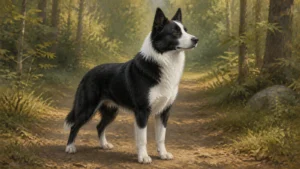
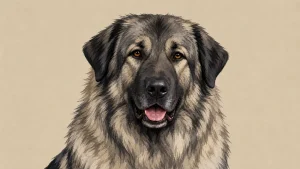
Karelian Bear Dog Training Profile

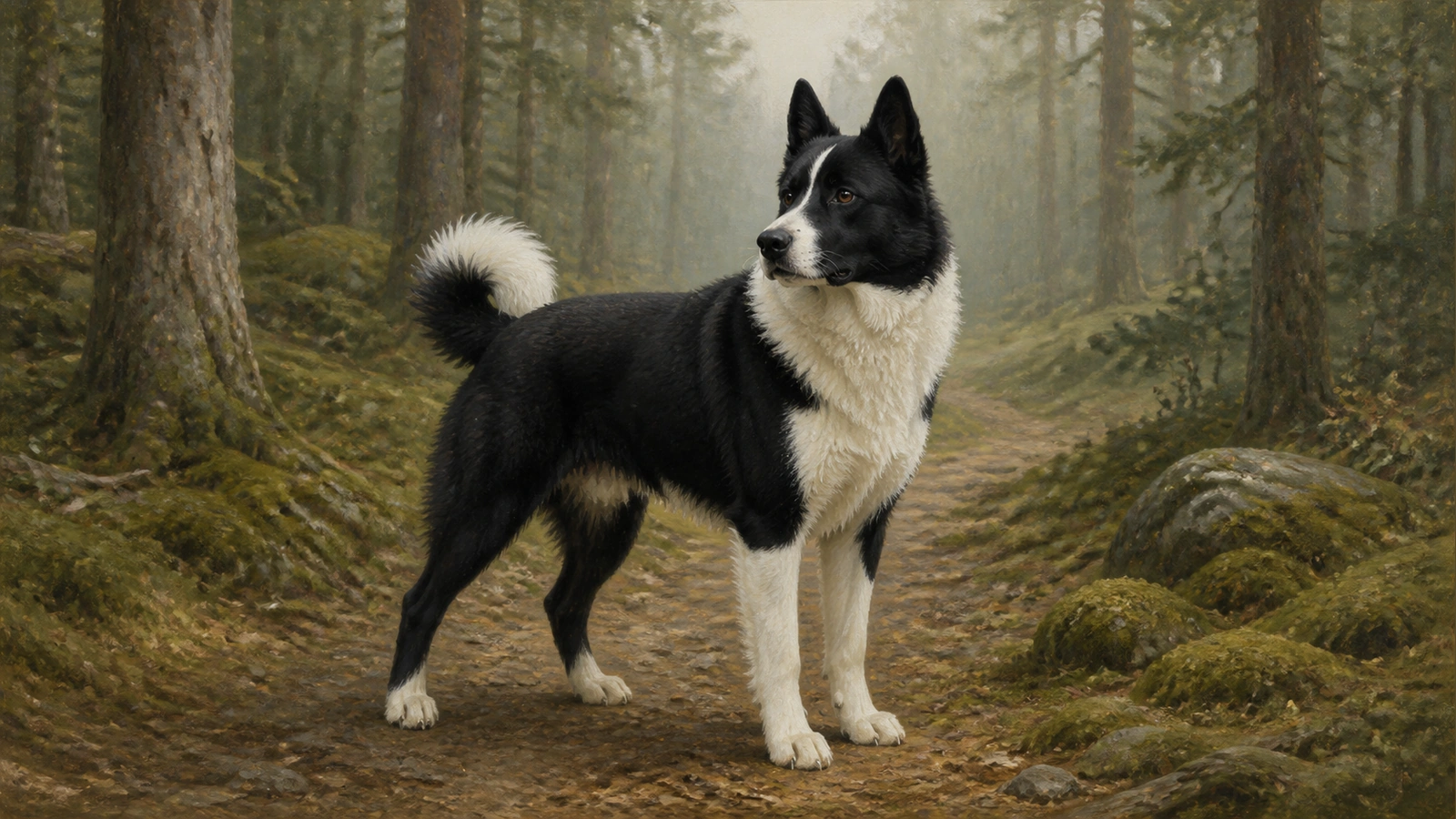
Karelian Bear Dogs are intelligent, cooperative, and willing workers, though their independent hunting heritage requires firm, consistent leadership. They thrive with purposeful, varied training sessions using positive reinforcement and high-value rewards. These active dogs have high mental stimulation and exercise needs, making them best suited for owners who can provide engaging tasks and daily challenges.
TRAINABILITY

Cooperative

7 out of 10

MENTAL STIMULATION NEEDS

Average Needs

5 out of 10

LOVE FOR GRUB

Very Picky

2 out of 10

TRAINING FAQ

Are Karelian Bear Dogs easy to train?

Willing

7 out of 10

Karelian Bear Dogs are generally willing and cooperative, making them relatively easy to train for those who understand their independent nature. They have moderate-to-high mental stimulation needs, requiring engaging, consistent tasks to remain focused. Utilizing positive reinforcement helps channel their high intelligence and strong work ethic into successful results.
Willing

7 out of 10

Karelian Bear Dogs are generally willing and cooperative, but their independent nature as big-game hunters can occasionally present a challenge. They require firm, consistent leadership and high-value rewards to maintain engagement. While not naturally stubborn, their intelligence means they respond best to purposeful, varied training sessions.
Above Average

7 out of 10

Train your Karelian Bear Dog puppy using positive reinforcement and high-value rewards to channel their high intelligence and strong work ethic. Focus on early socialization and basic commands while maintaining firm, consistent leadership. To manage their independent nature, keep training sessions short, purposeful, and varied to ensure this cooperative breed remains engaged and avoids boredom throughout their development.

Fair

7 out of 10

Potty training a Karelian Bear Dog can be exceptionally time-consuming and frustrating due to their primitive, independent nature. Success requires extreme consistency, a rigid schedule, and the use of crate training or tethering to prevent accidents. Because they are highly intelligent but easily distracted, owners must use high-value rewards and immediate positive reinforcement to establish a reliable routine.

Extreme Needs

10 out of 10

Karelian Bear Dogs are high-energy working dogs that typically require at least two long, vigorous exercise sessions or walks daily. They thrive when physical activity is paired with mental challenges like nose work or tracking to satisfy their deep-seated hunting instincts. Because of their powerful prey drive and independent spirit, it is vital to keep them on a leash or in a securely fenced area.

Moderate

6 out of 10

A Karelian Bear Dog’s daily routine should focus on intense physical activity and meaningful mental engagement to satisfy their working heritage. Provide at least 90 to 120 minutes of vigorous exercise, such as long walks, hiking, or running in a large, securely fenced area to accommodate their high energy and hunting instincts. Feed adults twice daily with a high-protein formula to maintain their athletic weight while monitoring portions to prevent obesity. Essential daily care includes 15 to 30 minutes of structured tasks like obedience training, scent games, or tracking to manage their independent nature and prevent boredom-related behaviors. Ensure they have a consistent schedule and avoid leaving them alone for long periods to reduce the risk of separation anxiety.

VET INSIGHTS

Karelian Bear Dogs are intelligent, cooperative working dogs with a strong independent streak rooted in their hunting heritage. They require vigorous daily exercise and meaningful mental stimulation to prevent boredom. While generally willing to learn, their primitive nature makes potty training challenging. They thrive with firm leadership, positive reinforcement, and a consistent routine in a secure environment.

Photo
Reviewed by
Dr. Vojtech Gabriel
DVM · PhD · MBA
Veterinarian Researcher Dog breed specialist
Verified

Explore Other Breed TRAINING PROFILES