Pekingese Personality Profile
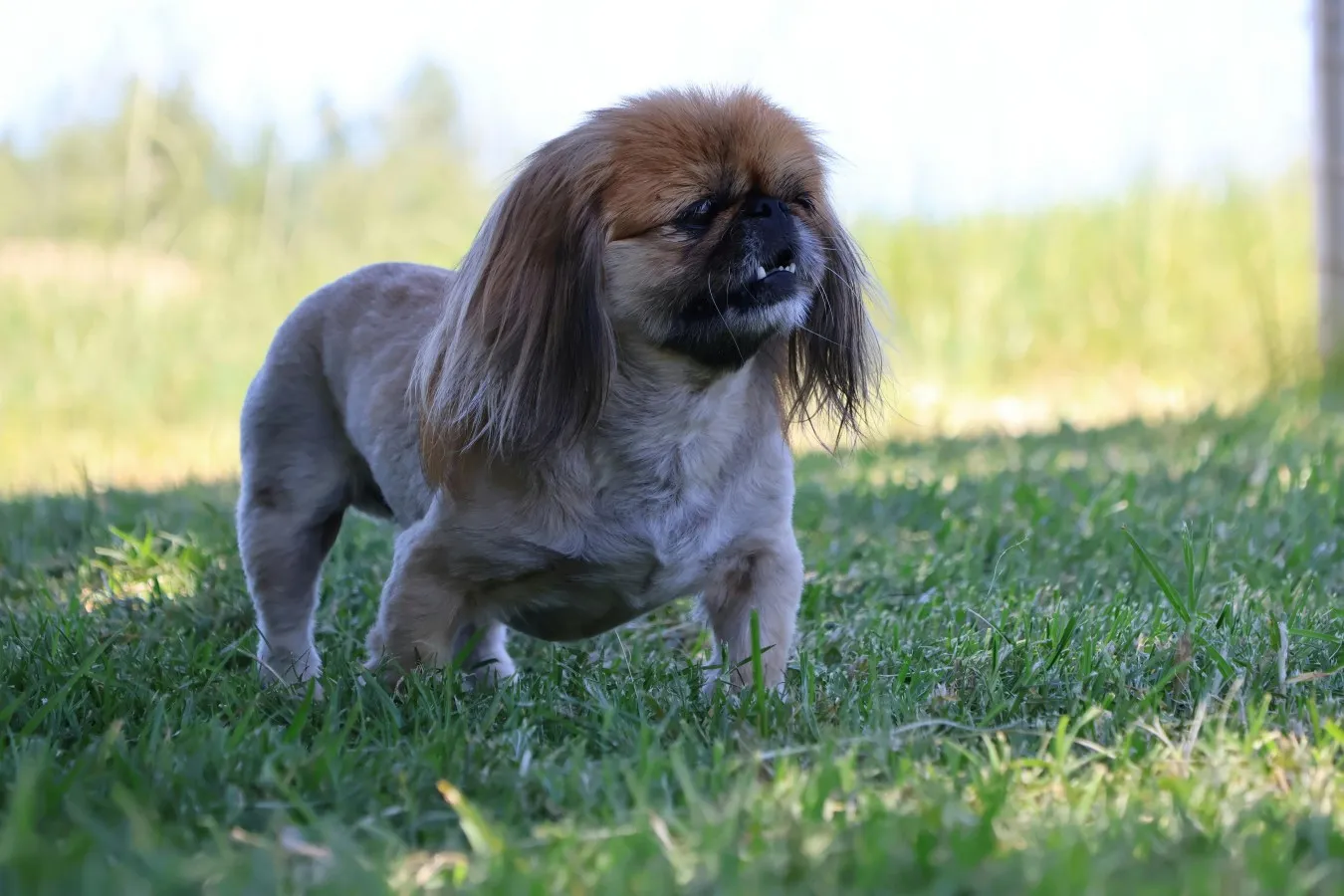
Pekingese are dignified and independent companions with a regal, sometimes stubborn nature. Deeply loyal and affectionate with their families, they often act as devoted lap dogs. Despite their small size, they are brave and vigilant watchdogs that can be reserved with strangers. They thrive on human closeness but require patience during training.
FRIENDLINESS
Reserved
4 out of 10
ATTACHMENT
Very Affectionate
8 out of 10
PLAYFULNESS
Occasional
4 out of 10
TEMPERAMENT FAQ
Are Pekingese smart?
Smart
7 out of 10
Pekingese are intelligent but independent thinkers known for their “imperial” stubbornness. While they can learn commands, they often choose when to listen. Training requires immense patience, consistency, and positive reinforcement with treats, as they are sensitive to harsh methods and have relatively short attention spans.
Do Pekingese like to cuddle?
Very Cuddly
9 out of 10
Pekingese are affectionate companions that form deep bonds with their families, often acting as devoted lap dogs. While they possess an independent and regal spirit, they truly thrive on human closeness. They are happiest when snuggled up with their favorite people in a calm, loving environment.


Do Pekingese get separation anxiety?
Anxious
8 out of 10
Pekingese are prone to separation anxiety because they form intense, devoted bonds with their chosen people. When left alone, their distress can lead to destructive chewing, whining, or indoor toileting. They thrive best in households where they can spend the majority of their time accompanying their owners.
Do Pekingese bark a lot?
Very Vocal
8 out of 10
Pekingese are alert and vigilant, making them prone to barking at strangers and unfamiliar sounds. They take their role as watchdogs seriously and can be quite vocal. Early training is essential to prevent their barking from becoming excessive.
Are Pekingese protective?
Protective
7 out of 10
Pekingese are surprisingly brave and highly protective of their family and territory. Despite their small size, they act as vigilant watchdogs, alert to strangers and unusual noises. They can be territorial and standoffish with outsiders, so consistent early socialization is vital to ensure they remain well-mannered.
VET INSIGHTS
Pekingese are prone to separation anxiety because they form intense, devoted bonds with their chosen people. When left alone, their distress can lead to destructive chewing, whining, or indoor toileting. They thrive best in households where they can spend the majority of their time accompanying their owners.

Reviewed by
Dr. Vojtech Gabriel
DVM · PhD · MBA
Veterinarian
Researcher
Dog breed specialist
✓
Verified