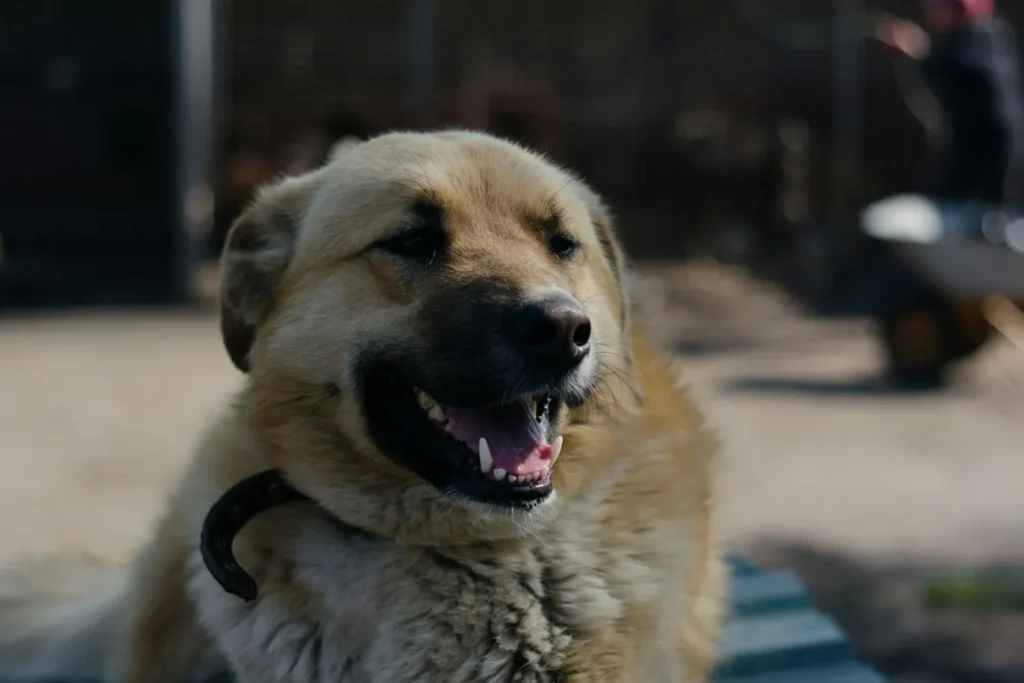
Anatolian Shepherd Dog Health and Costs
Breed Group
Working Dogs
Country of Origin
Turkey
Breed Size
Giant
AKC Recognition
Yes, recognized in 1996
FCI Recognition
Yes, recognized in 1989
Rarity
Common3 / 10
Purchase cost
Moderate5 / 10
Life expectancy
Moderate Lifespan6 / 10
Health
Generally healthy7 / 10
Health problem risk
Mild health concerns3 / 10
Maintenance cost
Moderate upkeep cost4 / 10
A Veterinarian's Guide
Anatolian Shepherd Dog Health Problems and Costs
The Anatolian Shepherd Dog is a rugged, independent livestock guardian of ancient lineage. The breed club describes it as not prone to any particular disease, yet any dog this large benefits from joint screening, careful puppy feeding, and a plan for bloat. Knowing these points before you bring a puppy home, or while you already share your life with one, makes the vet visits and the budget much easier to plan.
In this guide
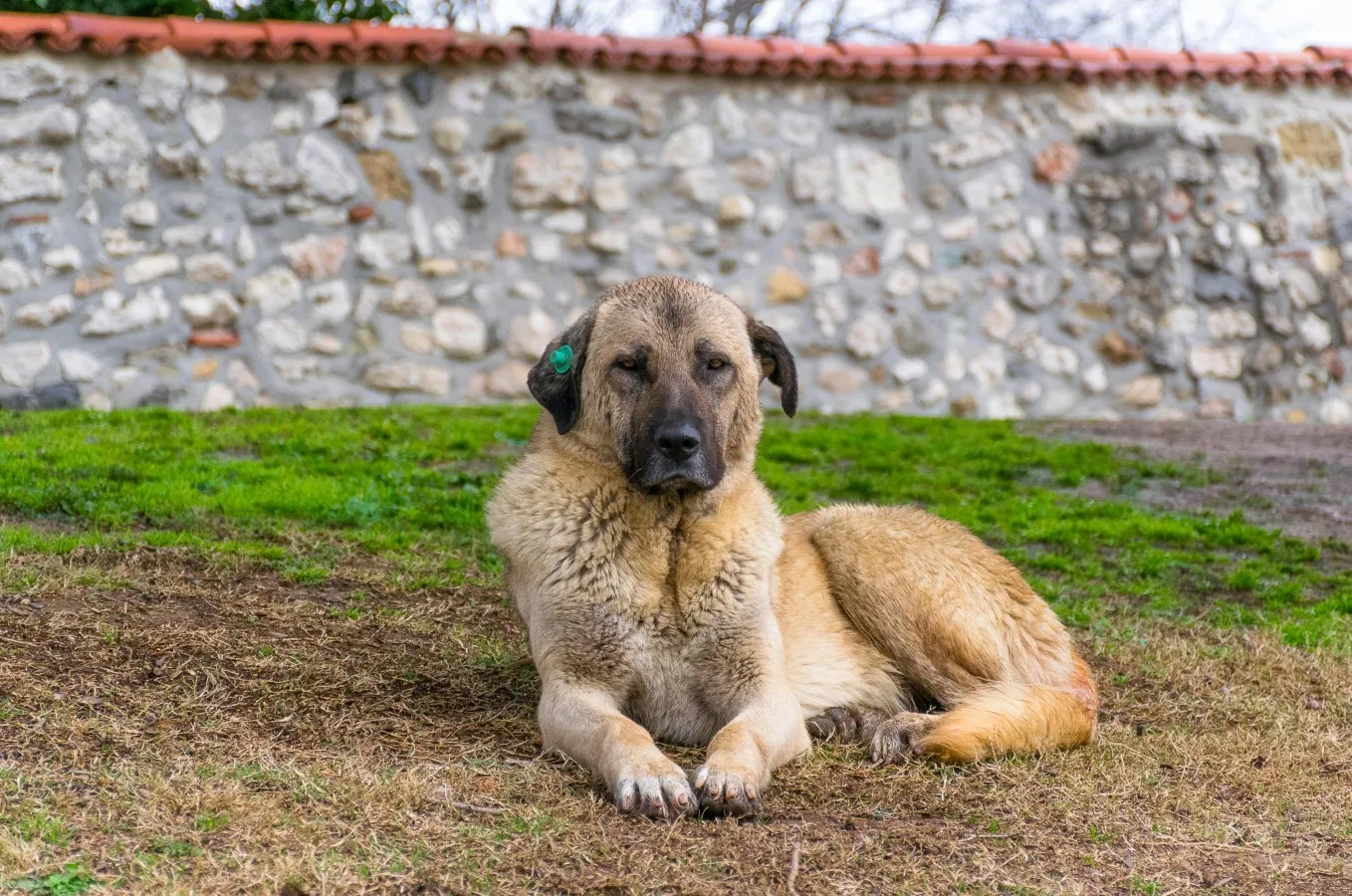
Why Are Hip and Elbow Dysplasia a Concern in Anatolian Shepherds?
Dysplasia means the ball and socket of the hip, or the bones of the elbow, do not fit together as they should, which leads to abnormal wear over time. The word comes from the Greek for "abnormal formation." The breed club says hip dysplasia is common in large breeds but not yet a serious problem in Anatolians, and that responsible breeders take X-rays of their breeding dogs. The AKC lists hip and elbow evaluations as the recommended health tests.
In a dog of 80 to 150 pounds, even mild wear adds real stress to the joints. Screening X-rays around one to two years of age can show problems early, while weight control and joint support can still slow arthritis. See early signs of arthritis in dogs for what to watch for later.
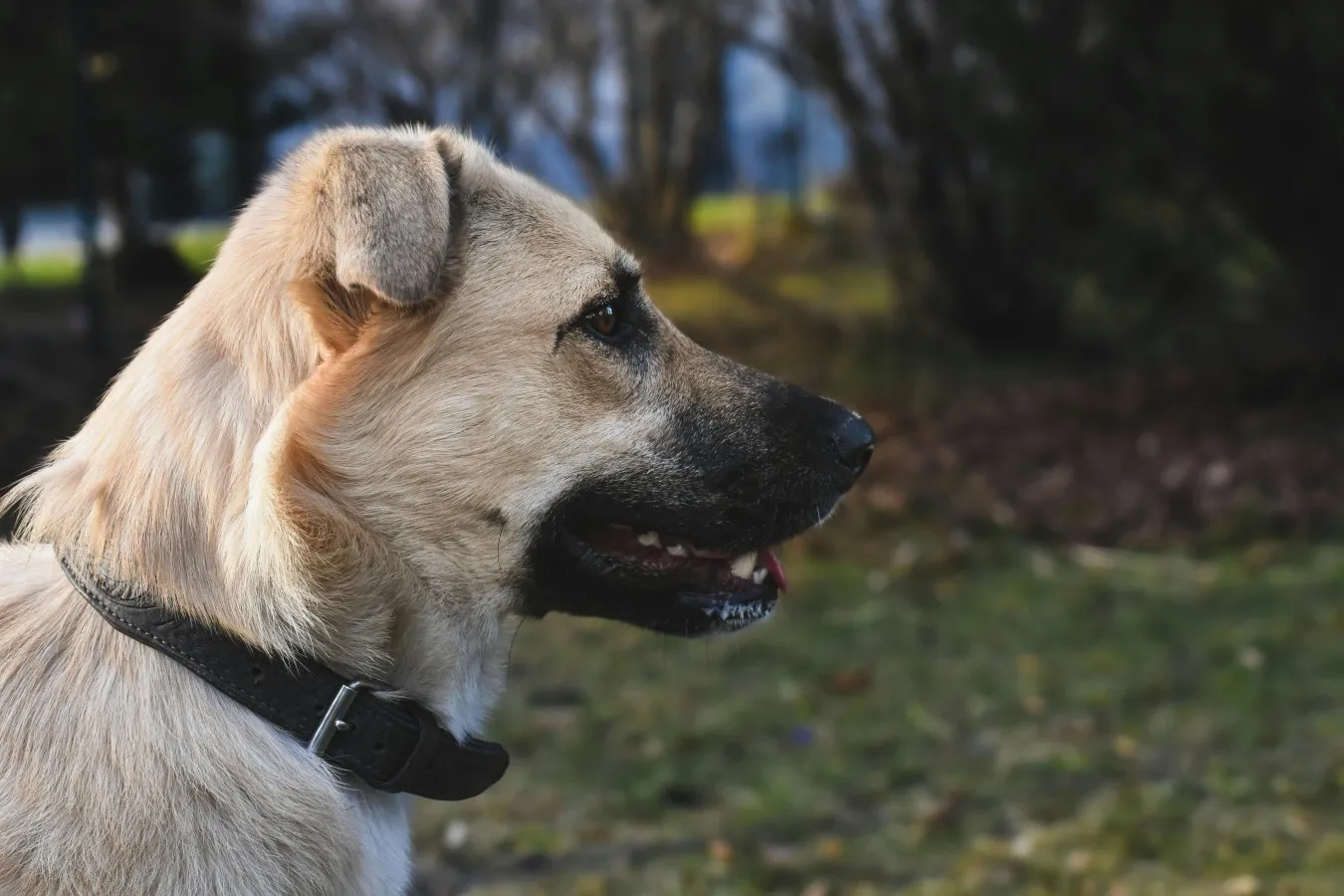
How Should I Feed an Anatolian Shepherd Puppy to Protect Their Joints?
Puppies that grow too fast put extra load on developing joints, so growth control is one of the few tools an owner has. A large-breed puppy formula, which has a calibrated calcium and calorie content, slows growth just enough to help. Measured meals portioned to a healthy growth curve work better than an always-full bowl, and your veterinarian can check the curve at each puppy visit. Full skeletal maturity comes at roughly 18 to 24 months.
Why Is Bloat a Risk for This Breed?
A swollen, tight belly with unproductive retching is an emergency. Call an emergency veterinarian on the way, because there is no home treatment.
Gastric dilatation-volvulus, or GDV and commonly called bloat, happens when the stomach fills with gas and may twist, cutting off its blood supply. The name comes from the Latin for "to widen" and "to turn." The breed club notes that bloat is not highly common in Anatolians, but large, deep-chested dogs in general are at risk, and the American College of Veterinary Surgeons treats it as a true emergency.
- 01
Swollen, tight belly
The abdomen looks enlarged or feels hard.
- 02
Unproductive retching
Gagging or trying to vomit with nothing coming up.
- 03
Restlessness and drooling
Pacing, unable to settle, with heavy drool.
- 04
Weakness or collapse
Pale gums, rapid breathing or sudden weakness.
Smaller meals, a slow-feed bowl, and rest after eating are commonly suggested to lower the risk. Some owners of large breeds ask their veterinarian about a preventive gastropexy, a surgery that tacks the stomach in place, often done at the same time as spay or neuter surgery.
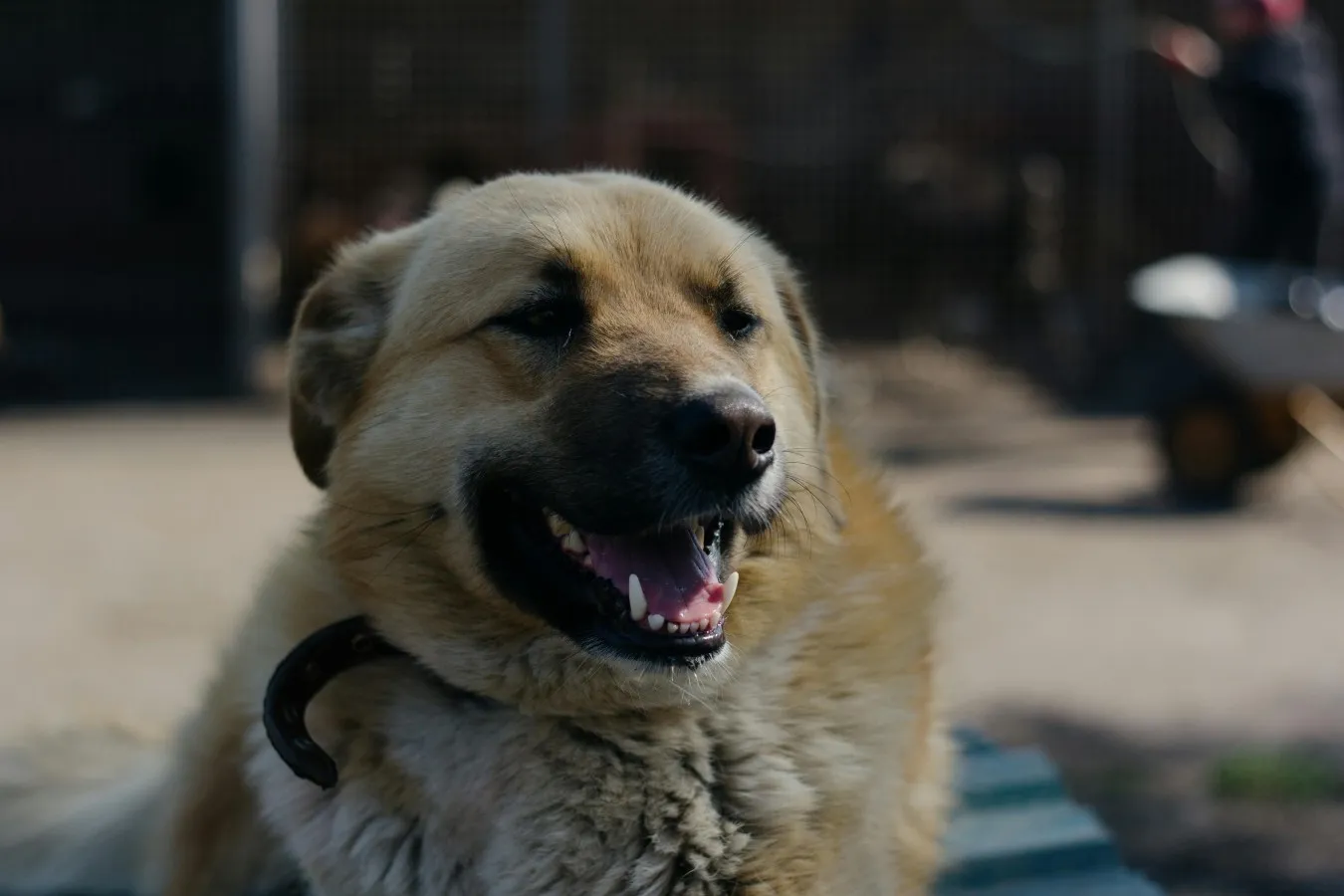
Are Anatolian Shepherds Prone to Any Other Conditions?
The breed club mentions entropion in some lines, which is an eyelid that rolls inward so the lashes rub the eye. Squinting or tearing in one eye is worth an exam, since surgery usually corrects it. The drop ears also make ear infections fairly common, so check them after wet weather and let your veterinarian clean them as needed.
The club also notes that Anatolians may be sensitive to anesthesia, so tell your veterinarian the breed before any procedure. Because this is a stoic, independent guardian, subtle changes such as resting more or hesitating before a jump may be the only early sign of pain.
What Does Managing an Anatolian Shepherd's Health Actually Cost?
| Condition or Need | Typical Cost Range | Notes |
|---|---|---|
| Hip and elbow X-ray screening | $150 to $400 | Often done once around one to two years of age |
| Yearly wellness exam | $200 to $350 | Bloodwork often included |
| Preventive gastropexy | $400 to $1,000 | Often combined with spay or neuter |
| Emergency bloat surgery | $3,000 to $7,500 | True emergency, needs immediate care |
| Long-term joint management | $500 to $2,000 a year | Supplements, medication or surgery |
Food is a steady cost with a dog this size, often $80 to $150 a month for a quality large-breed diet. Pet insurance is best priced while your dog is a puppy, since most policies exclude a condition already on record.
Questions to Ask a Breeder Before Buying a Puppy
Ask for the parents' hip and elbow evaluation results, which the AKC lists as the breed club's recommended tests, and ask whether eyelid problems have appeared in the line. A reputable breeder shares paperwork openly. Screened parents lower the odds of dysplasia but never remove them, since growth and weight also play a part.
Daily Life With an Anatolian Shepherd
This is a calm, protective guardian with a mind of its own. The personality profile explains the independent, watchful temperament, and early, patient training and socialization matter in a dog this strong.
The double coat sheds, so regular grooming keeps the skin and ears healthier, particularly during heavy shedding seasons.
Keeping Your Anatolian Shepherd Healthy for the Long Run
The breed club gives a lifespan of 11 to 13 years in a safe home, which is good for a giant dog. Keeping your dog lean is the most useful single habit, because extra weight speeds joint wear. Slowing on stairs, reluctance to jump, and stiffness after rest are common early signs of joint disease worth mentioning to your veterinarian.
Final Thoughts From a Veterinarian
Anatolian Shepherds are hardy giants that often live 11 to 13 years. Screen hips and elbows, keep your dog lean, and learn the signs of bloat before you need them. Your veterinarian can tailor the plan.
Health & Costs FAQ
How much do Anatolian Shepherd Dog cost?
The cost of an Anatolian Shepherd Dog typically ranges from $800 to $1,500 for a puppy from a reputable breeder. High-quality working lines or imported dogs can reach $5,000. Potential owners should also budget approximately $200 to $500 for initial setup supplies and vaccinations.
Purchase cost: 5 / 10
How long do Anatolian Shepherd Dog live?
Anatolian Shepherds typically live 11 to 13 years in a safe home, a solid lifespan for a giant breed. Keeping a lean weight, scheduling regular checkups, and knowing the signs of bloat all help protect their long-term health.
Life expectancy: 6 / 10
Are Anatolian Shepherd Dog healthy dogs?
Anatolian Shepherds are generally hardy, and the breed club describes them as not prone to any particular disease. Like other large breeds they can develop hip and elbow dysplasia, and bloat is a risk for any deep-chested dog. Yearly checkups and screening of breeding dogs help keep them healthy.
Health: 7 / 10
What health problems do Anatolian Shepherd Dog have?
The main concerns are hip and elbow dysplasia, bloat (GDV), and entropion in some lines. Ear infections are fairly common because of the drop ears, and the breed may be sensitive to anesthesia. Screening X-rays, measured puppy feeding, and a plan for bloat cover most of the risk.
Health problem risk: 3 / 10
Are Anatolian Shepherd Dog expensive to maintain?
Anatolian Shepherds have moderate upkeep costs. Their size means substantial food bills, and routine care plus hip and elbow screening add up, though grooming needs stay manageable.
Maintenance cost: 4 / 10
How much does it cost to own a Anatolian Shepherd Dog per month?
Expect to spend between $150 and $300 per month on an Anatolian Shepherd. This budget covers substantial food needs for their large size, routine veterinary care, and professional grooming. Costs may increase as they age or if specific large-breed health issues, like hip dysplasia, require management.
Monthly ownership cost: 4 / 10
How much does pet insurance cost for a Anatolian Shepherd Dog?
Pet insurance for an Anatolian Shepherd Dog typically costs between $50 and $90 per month. Due to their large size and susceptibility to joint issues like hip and elbow dysplasia, premiums can be higher. Comprehensive coverage is highly recommended to manage potential high-cost treatments for these hereditary conditions.
Pet insurance cost: 5 / 10
Will homeowners insurance cover a Anatolian Shepherd Dog?
Homeowners insurance usually covers an Anatolian Shepherd Dog, since the breed is not typically named on common restricted lists. Policies vary by insurer, so disclose your dog and confirm the liability terms with your provider.
Homeowners insurance difficulty: 9 / 10
Are Anatolian Shepherd Dog on insurance restricted breed lists?
Anatolian Shepherd Dogs are not typically named on the most common insurance restricted-breed lists, though lists differ by insurer. Large guardian breeds are sometimes reviewed more closely, so verify the breed policy with your provider before buying.
Insurance restriction risk: 2 / 10
Can you get renters insurance with a Anatolian Shepherd Dog?
Renters insurance is usually available with an Anatolian Shepherd Dog. Some landlords and insurers set size or weight limits, so disclose your dog and check both the lease and the policy for liability coverage.
Renters insurance difficulty: 8 / 10