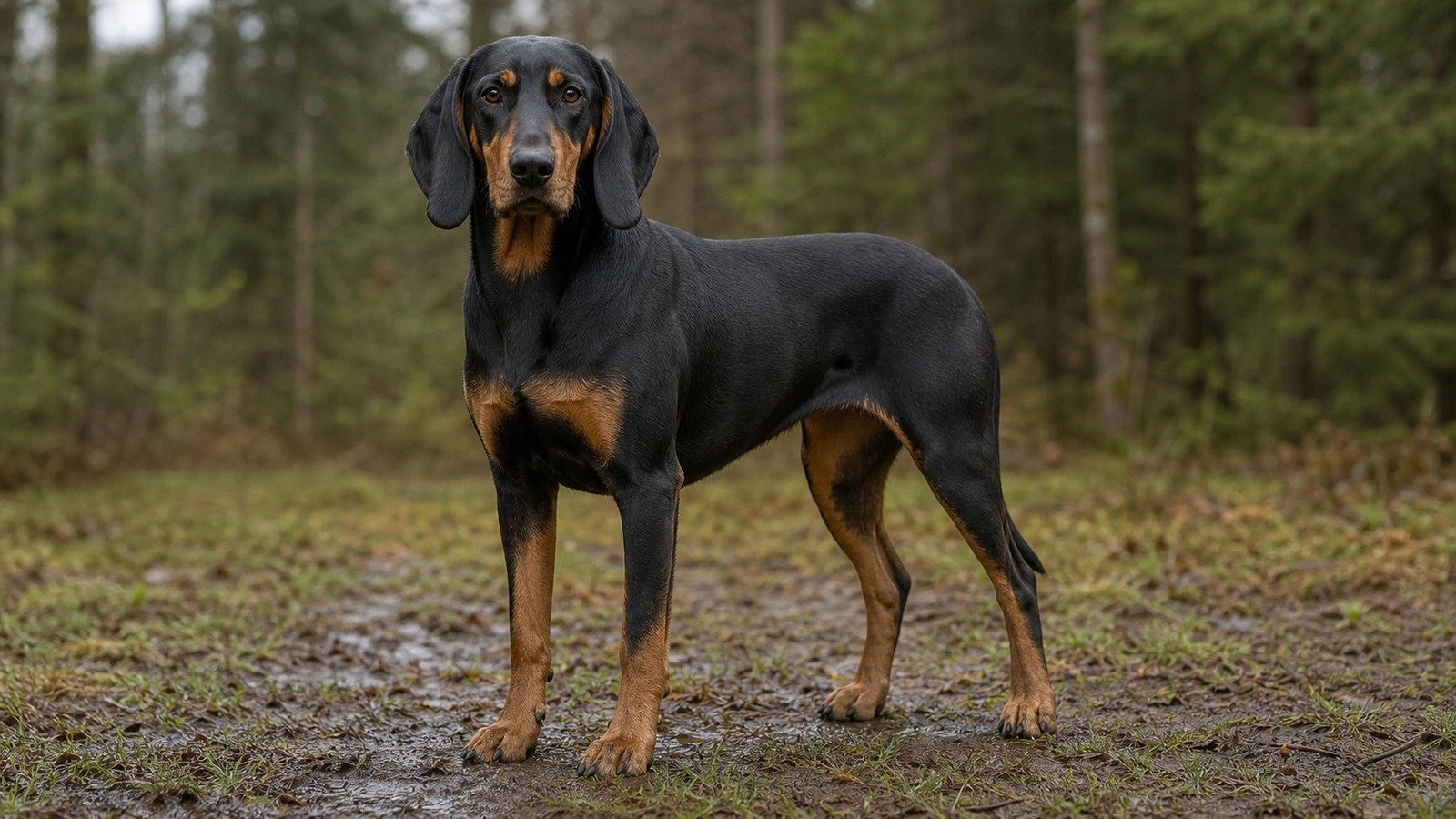
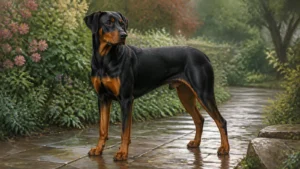
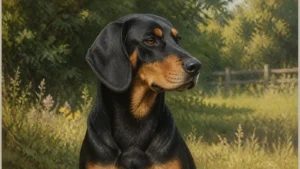
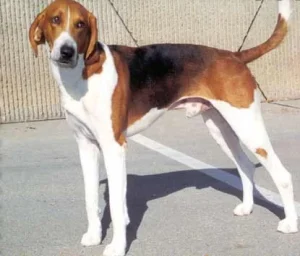
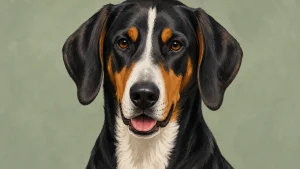
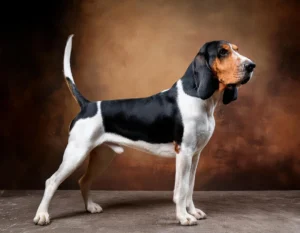
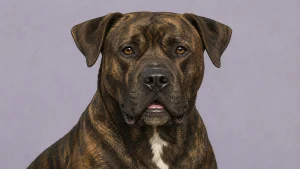
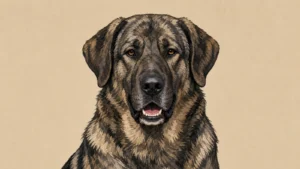
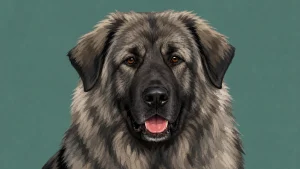
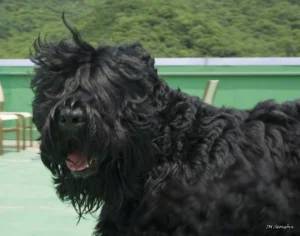
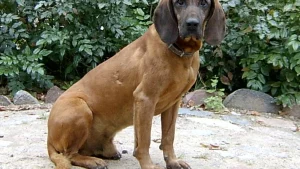
Easy weekly brushing for its short coat. Reaches full size at 35-50 lbs by 12-18 months. Moderate year-round shedding.
COAT TYPE
Smooth/Short
SHEDDING
Moderate
GROOMING SKILL
Easy
TRAINING FAQ
Are Austrian Black and Tan Hounds hypoallergenic?
SCORE
0/10
Worst Choice
Austrian Black and Tan Hounds are not hypoallergenic. Their short coat sheds moderately year-round and still carries dander that can bother allergy sufferers.
Do Austrian Black and Tan Hounds shed a lot?
SCORE
0/10
Moderate
Austrian Black and Tan Hounds are moderate shedders. Their smooth, short coat requires weekly brushing to manage loose hair and keep their skin healthy.
How often should you groom your Austrian Black and Tan Hound?
SCORE
0/10
10-15 mins/week
To maintain an Austrian Black and Tan Hound's smooth, short coat, brush them weekly to remove loose hair. They're generally clean dogs needing only occasional baths, but their long, floppy ears need regular cleaning to prevent infections.
Are Austrian Black and Tan Hounds low maintenance dogs?
SCORE
0/10
Moderate
Austrian Black and Tan Hounds are moderate-maintenance dogs. While their grooming needs are easy, they are energetic hunting dogs that require significant daily exercise and space to run.
How big do Austrian Black and Tan Hounds get?
SCORE
0/10
Medium
Austrian Black and Tan Hounds are medium-sized, athletic dogs. They typically stand 19 to 22 inches tall at the shoulder and weigh between 33 and 49 pounds.
When do Austrian Black and Tan Hounds usually stop growing?
SCORE
0/10
12-18 months
Austrian Black and Tan Hounds typically reach their full adult height by 12 to 18 months of age, but they continue to fill out and gain muscle mass until they reach full physical maturity around two years old.
How much should a Austrian Black and Tan Hound eat?
SCORE
0/10
2.5 cups
An adult Austrian Black and Tan Hound typically requires about 2.5 cups of high-quality dry food daily, divided into two meals. Adjust portions based on their activity level and monitor their weight closely.
How often should a Austrian Black and Tan Hound eat?
SCORE
0/10
3-4 meals/day
Austrian Black and Tan Hound puppies should be fed 3 to 4 meals a day to support their rapid growth and high energy levels. Consult your veterinarian for a specific feeding schedule.
VET INSIGHTS
Austrian Black and Tan Hounds are medium-sized scenthounds reaching full maturity by 18 months. They are moderate shedders with short, dense coats requiring weekly brushing, significant daily exercise, and a monitored 2.5-cup daily diet.