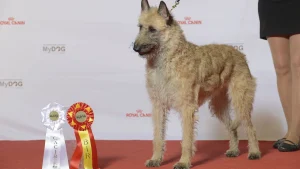
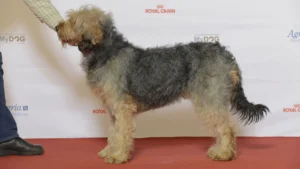
Daily brushing and professional hand-stripping are essential. They stop growing around 10-12 months and fill out until age 2-3.
COAT TYPE
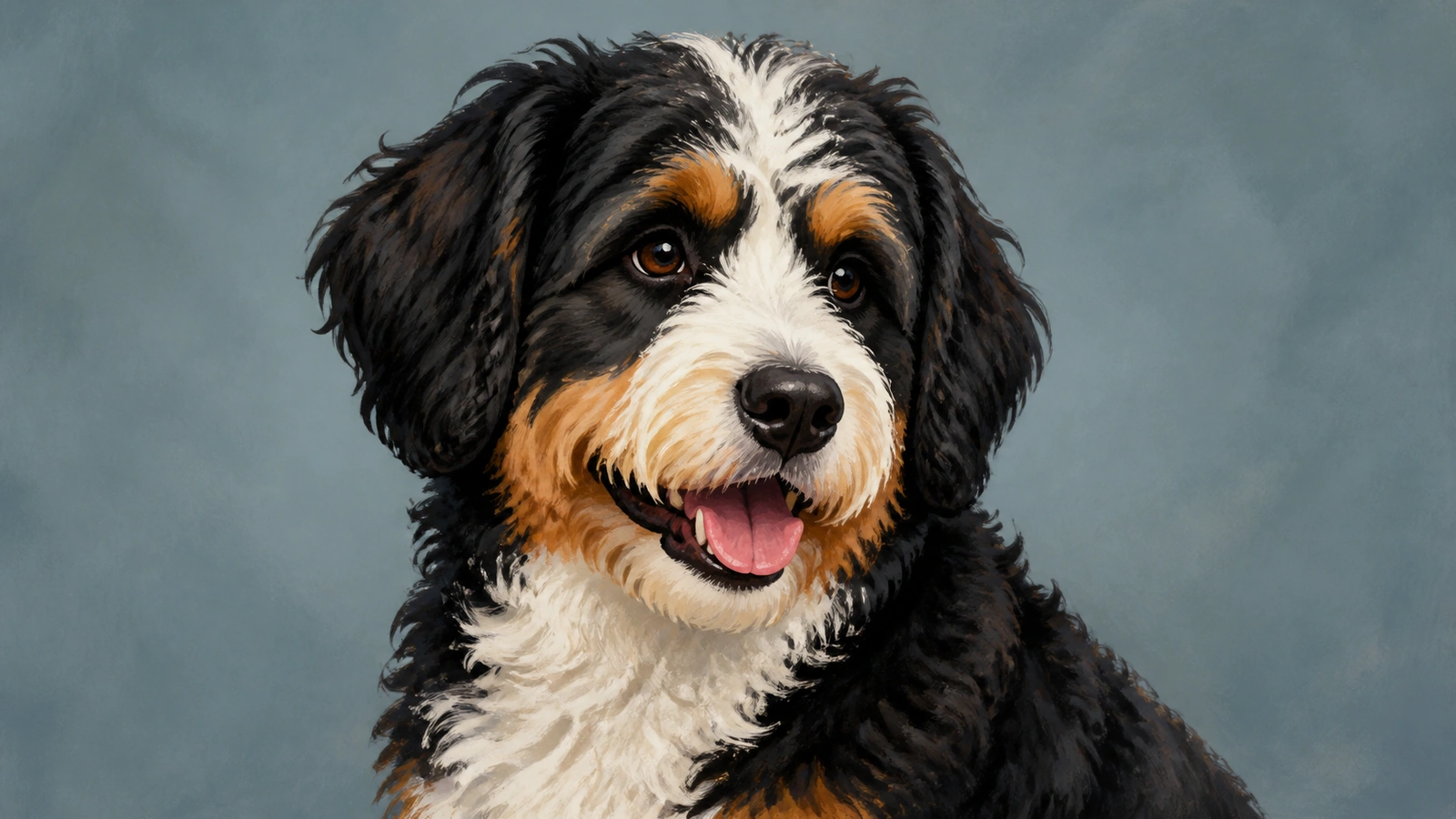
Curly/Wavy/Straight
SHEDDING
Low
GROOMING SKILL
Hard
TRAINING FAQ
Are Bernedoodles hypoallergenic?
SCORE
0/10
Good
Bernedoodles are considered fairly allergy-friendly thanks to their Poodle-derived curly or wavy coat, which sheds much less dander than a typical double coat. No dog is fully hypoallergenic, and coat type (and shedding) varies depending on which parent a given Bernedoodle takes after.
Do Bernedoodles shed a lot?
SCORE
0/10
Low
Bernedoodles are low to moderate shedders, with shedding levels depending on coat type -- curlier coats shed the least, straighter coats shed more. Regular brushing helps catch loose hair before it ends up on furniture or clothing.
How often should you groom your Bernedoodle?
SCORE
0/10
45 mins/week
To maintain a Bernedoodle's coat, daily brushing is essential for curly coats, while wavy coats can be brushed every other day. They also require professional grooming every 6 to 8 weeks for haircuts.
Are Bernedoodles low maintenance dogs?
SCORE
0/10
Hard
Bernedoodles are high-maintenance dogs. They require significant daily exercise, mental stimulation, and frequent grooming to manage their coat and high energy levels.
How big do Bernedoodles get?
SCORE
0/10
Medium/Large
Bernedoodle sizes vary based on the Poodle parent. Standard Bernedoodles typically weigh 70 to 90 pounds, Mini Bernedoodles weigh 25 to 49 pounds, and Tiny Bernedoodles weigh 10 to 24 pounds.
When do Bernedoodles usually stop growing?
SCORE
0/10
12-24 months
Bernedoodles typically reach their full adult height by 12 to 18 months of age, but they continue to fill out and gain muscle mass until they reach full physical maturity at around two years old.
How much should a Bernedoodle eat?
SCORE
0/10
2-4 cups
An adult Standard Bernedoodle typically requires 2 to 4 cups of high-quality dry food daily, while smaller varieties need less. Adjust portions based on their size and activity level.
How often should a Bernedoodle eat?
SCORE
0/10
3-4 meals/day
Bernedoodle-specific puppy feeding information.
VET INSIGHTS
Bernedoodles are Poodle and Bernese mixes that vary in size, coat type, and energy level. They are low to moderate shedders requiring regular grooming, reaching full physical maturity by two years of age.