Skip to content

Great Pyrenees Lab Mix - MAIN HUB

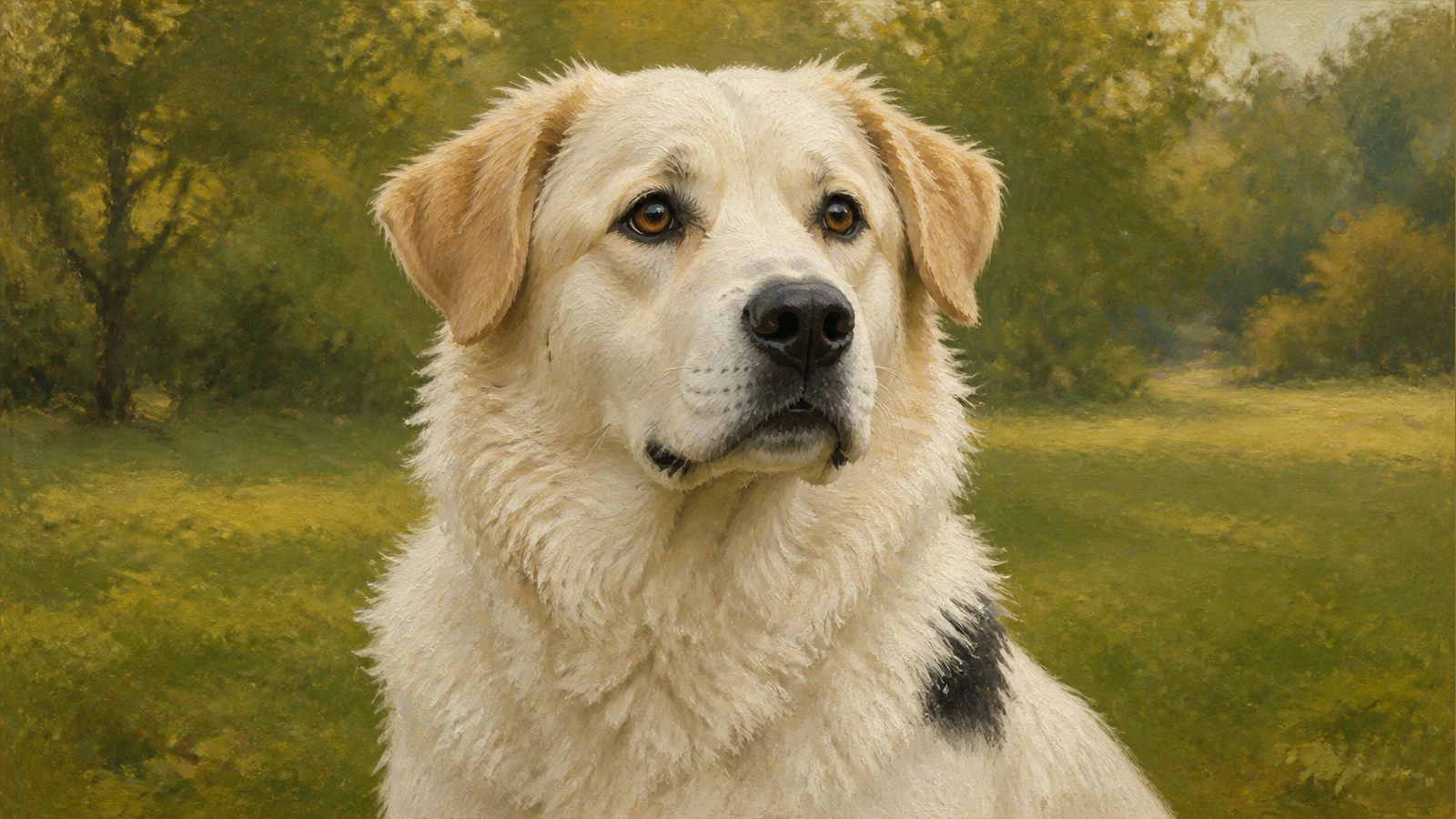
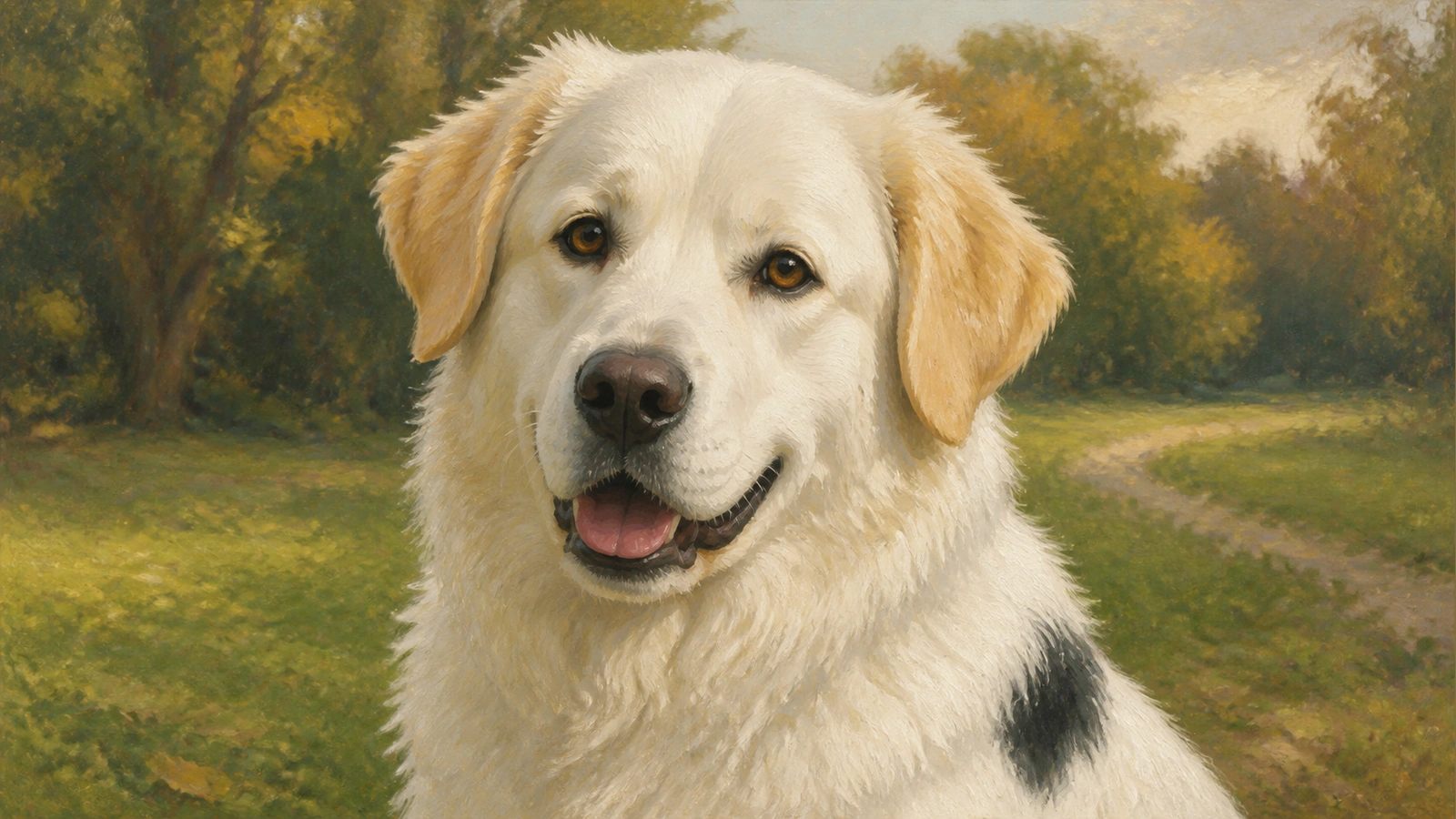
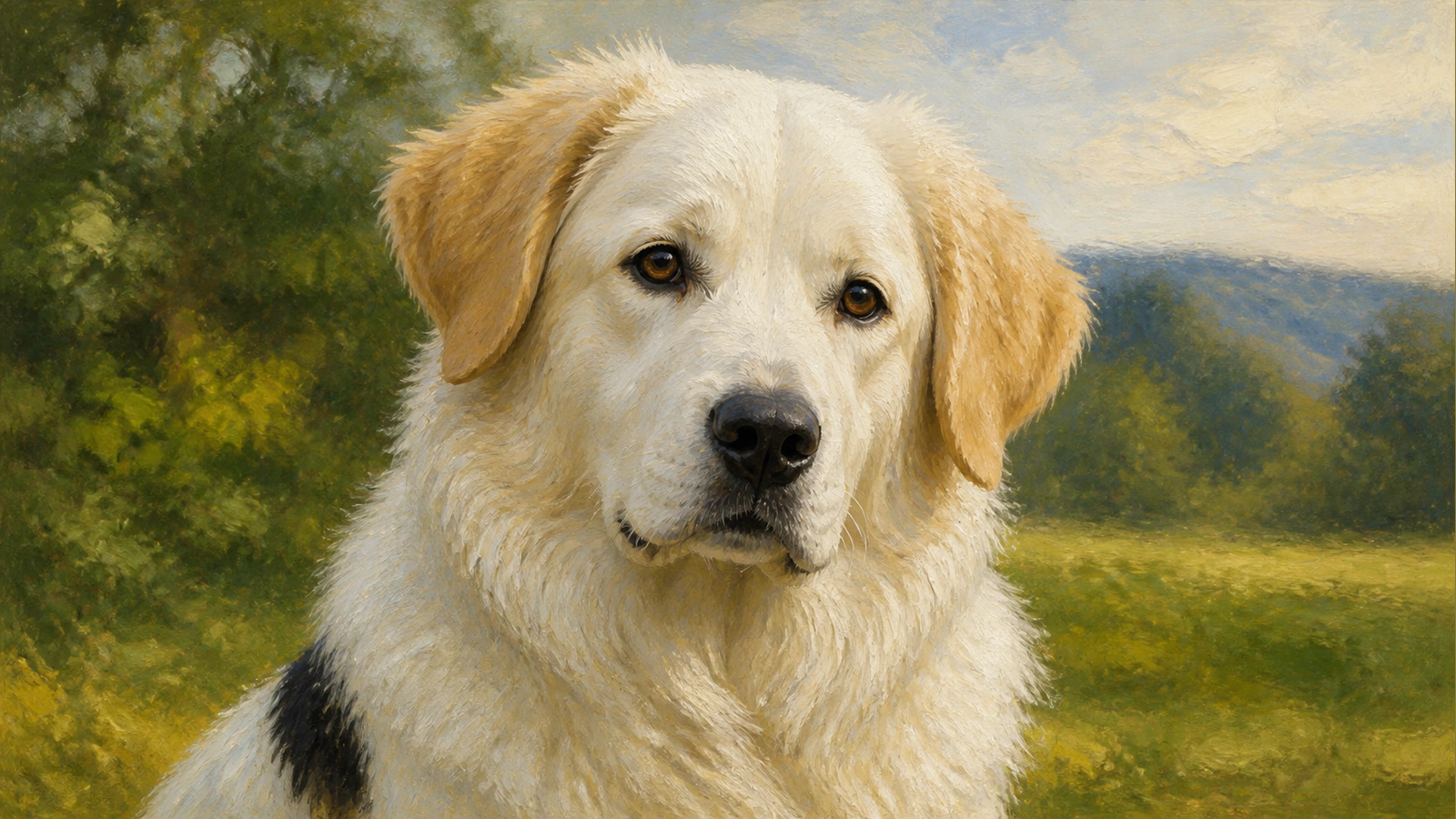
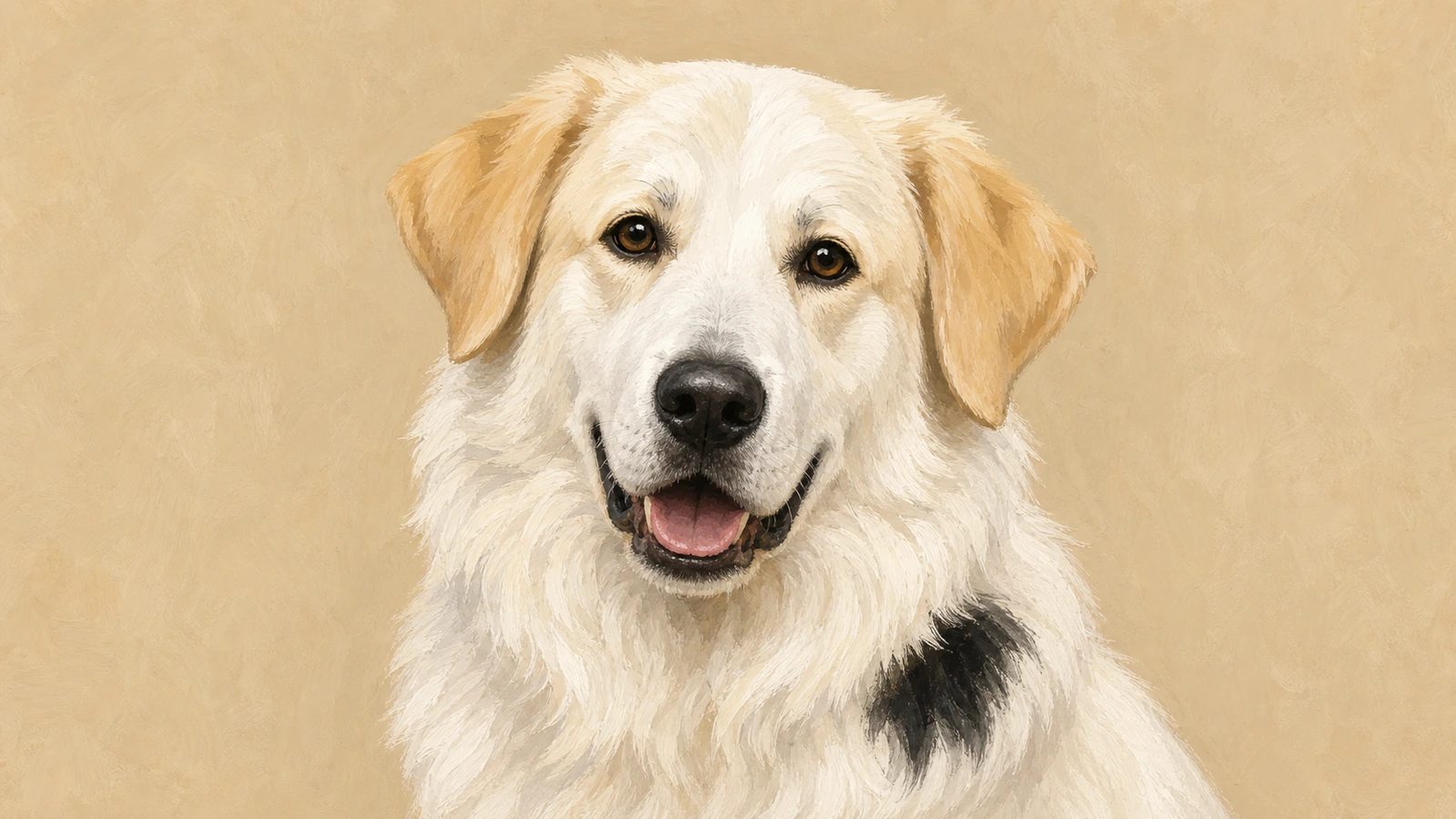
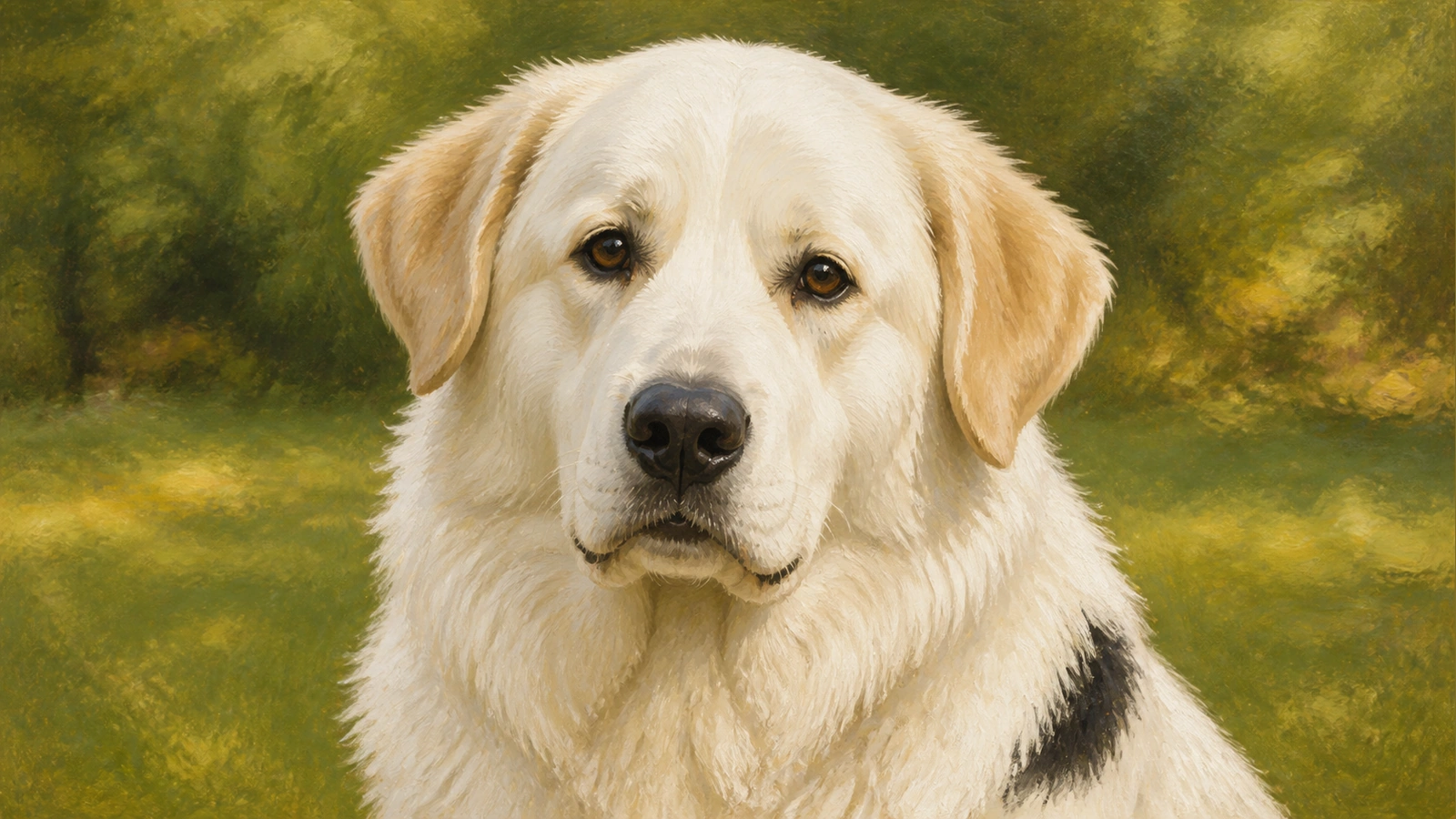
Meet the Pyrador: a loyal, gentle giant blending Lab friendliness with Pyrenees protection. A devoted, fluffy companion for active homes with space.

BREED GROUP

Hybrid Dogs

Country of origin

United States

BREED SIZE

Giant

BREED HEIGHT

22 -

32 IN

56 -

81 cm

BREED WEIGHT

70 -

120 LB

32 -

54 KG

WHAT YOU NEED TO KNOW

The Pyrador, a Great Pyrenees and Labrador Retriever mix, is a loyal, protective, and affectionate large-breed companion. Weighing 70-120 pounds, they blend the Labrador's social friendliness with the Pyrenees' vigilant guarding instincts. Owners should expect a heavy-shedding double coat requiring regular grooming and a need for consistent, reward-based training to manage potential stubbornness. While patient with children, their massive size and energy require supervision. These dogs thrive in homes with large yards for patrolling and need at least an hour of daily exercise. Early socialization is vital to balance their natural wariness of strangers.
american kennel club (AKC) recognition

No

Breed was recognized in 0.

International Canine Federation (FCI) recognition

No

Breed was recognized in 0.
WHAT DO OWNERS WANT TO KNOW?

Are Great Pyrenees Lab Mixes good family dogs?

Fair

4 out of 10

The Pyrador makes an excellent family dog, known for being a loyal, affectionate, and patient companion that typically gets along well with children. However, due to their massive size and protective instincts, they require supervision around small kids and consistent training to manage potential stubbornness. They are best suited for active families with large homes and yards where they can meet their daily exercise and patrolling needs.

Fair

4 out of 10

Great Pyrenees Lab Mixes are generally patient and gentle with children, inheriting the friendly nature of the Labrador and the calm demeanor of the Great Pyrenees. However, their massive size and strength mean they require constant supervision around small children to prevent accidental injury during play. While they are loyal and affectionate, consistent training is essential to manage their protective instincts and ensure they remain safe companions for the whole family.

Below Average

4 out of 10

Great Pyrenees Lab Mixes are generally not recommended for first-time owners due to their massive size and the stubbornness often inherited from the Pyrenees parent. While loyal and affectionate, they require an experienced owner who can provide consistent, reward-based training to manage their protective instincts and independent nature effectively.

Excellent

9 out of 10

Great Pyrenees Lab Mixes are Excellent apartment dogs due to their calm indoor demeanor and low to moderate energy levels. While they are large dogs, they are often content to lounge indoors as long as they receive at least an hour of daily exercise and mental stimulation. Owners must be mindful of their potential for protective barking and heavy shedding in close living quarters.

Below Average

6 out of 10

A yard is not strictly required for a Great Pyrenees Lab Mix, as they can adapt to various living situations if provided with at least an hour of vigorous daily exercise. However, a large, securely fenced yard is highly recommended to satisfy their natural instincts to patrol territory and roam. Owners must ensure fencing is sturdy and at least six feet high, as this mix can be an escape artist prone to wandering.

Average

5 out of 10

Great Pyrenees Lab Mixes generally handle being alone better than purebred Labradors due to the independent and self-assured nature of the Great Pyrenees. While they can tolerate moderate periods of solitude, they remain loyal companions that thrive on family interaction and having a sense of purpose, such as patrolling their environment. Providing adequate exercise and mental stimulation before departures helps ensure they remain calm and prevents potential boredom-induced destructive behaviors.

Average

5 out of 10

Great Pyrenees Lab Mixes generally coexist peacefully with cats, often treating them as part of their flock due to their guardian heritage. They are typically patient and tolerant, though their large size and occasional urge to chase mean introductions should be gradual and supervised. Early socialization is essential to ensure they develop a respectful and gentle relationship with feline companions.

Balanced

5 out of 10

Great Pyrenees Lab Mixes are not naturally aggressive but possess strong protective instincts inherited from the Great Pyrenees. While they are loyal and affectionate with family, they can be wary of strangers and territorial of their home. Consistent, reward-based training and early socialization are essential to manage their guarding tendencies and ensure they can distinguish between true threats and welcome visitors.

Very Low

2 out of 10

Great Pyrenees Lab Mixes possess high energy levels and require regular exercise to stay healthy and happy. Blending the Labrador’s athleticism with the Pyrenees’ stamina, they need at least an hour of daily activity, such as long walks, hiking, or patrolling a large yard. Without sufficient physical and mental stimulation, they can become bored or destructive.

~45 min a day

5 out of 10

Great Pyrenees Lab Mixes require approximately 45 to 60 minutes of daily exercise to stay healthy and mentally stimulated. A combination of brisk walks, hiking, and opportunities to patrol a large, fenced yard helps manage their energy levels and protective instincts. Consistent physical activity and interactive play are essential to prevent boredom and potential destructive behaviors in this large, athletic breed.

Average

5 out of 10

Great Pyrenees Lab Mixes have a moderate tolerance for heat but are prone to overheating due to their thick double coats inherited from the Great Pyrenees. Owners should provide constant access to shade, fresh water, and air conditioning during hot weather. It is best to limit exercise to the cooler morning or evening hours and avoid shaving their coat, as it provides natural insulation against both heat and cold.

Average

5 out of 10

Great Pyrenees Lab Mixes have a moderate tolerance for heat but are prone to overheating due to their thick double coats inherited from the Great Pyrenees. Owners should provide constant access to shade, fresh water, and air conditioning during hot weather. It is best to limit exercise to the cooler morning or evening hours and avoid shaving their coat, as it provides natural insulation against both heat and cold.

Low Risk

7 out of 10

Great Pyrenees Lab Mixes are generally not subject to breed-specific bans, as they are not typically categorized as aggressive. However, their substantial size and weight—often exceeding 70 to 100 pounds—frequently conflict with standard apartment weight limits. Prospective owners should carefully check landlord policies regarding weight caps and potential noise restrictions related to their protective barking.

WHAT DO OWNERS WANT TO KNOW?


Photo
Reviewed by
Dr. Vojtech Gabriel
DVM · PhD · MBA
Veterinarian Researcher Dog breed specialist
Verified

"Great Pyrenees Lab Mixes are loyal, large-breed companions, but they are predisposed to several serious health conditions inherited from their parent breeds. As a veterinarian, I prioritize monitoring for hip and elbow dysplasia, as well as patellar luxation, which are common in both Labradors and Great Pyrenees and can lead to lifelong mobility issues. Their deep-chested structure puts them at high risk for life-threatening bloat (GDV), so I recommend feeding multiple small meals and considering a preventative gastropexy. Owners should also be vigilant about screening for eye disorders like entropion and cataracts, and be aware of their susceptibility to aggressive bone cancer (osteosarcoma). Maintaining a lean weight is critical to minimize joint stress, and early socialization is essential to manage their protective guarding instincts."

Other Hybrid Dogs