Skip to content

Saarloos Wolfdog - MAIN HUB

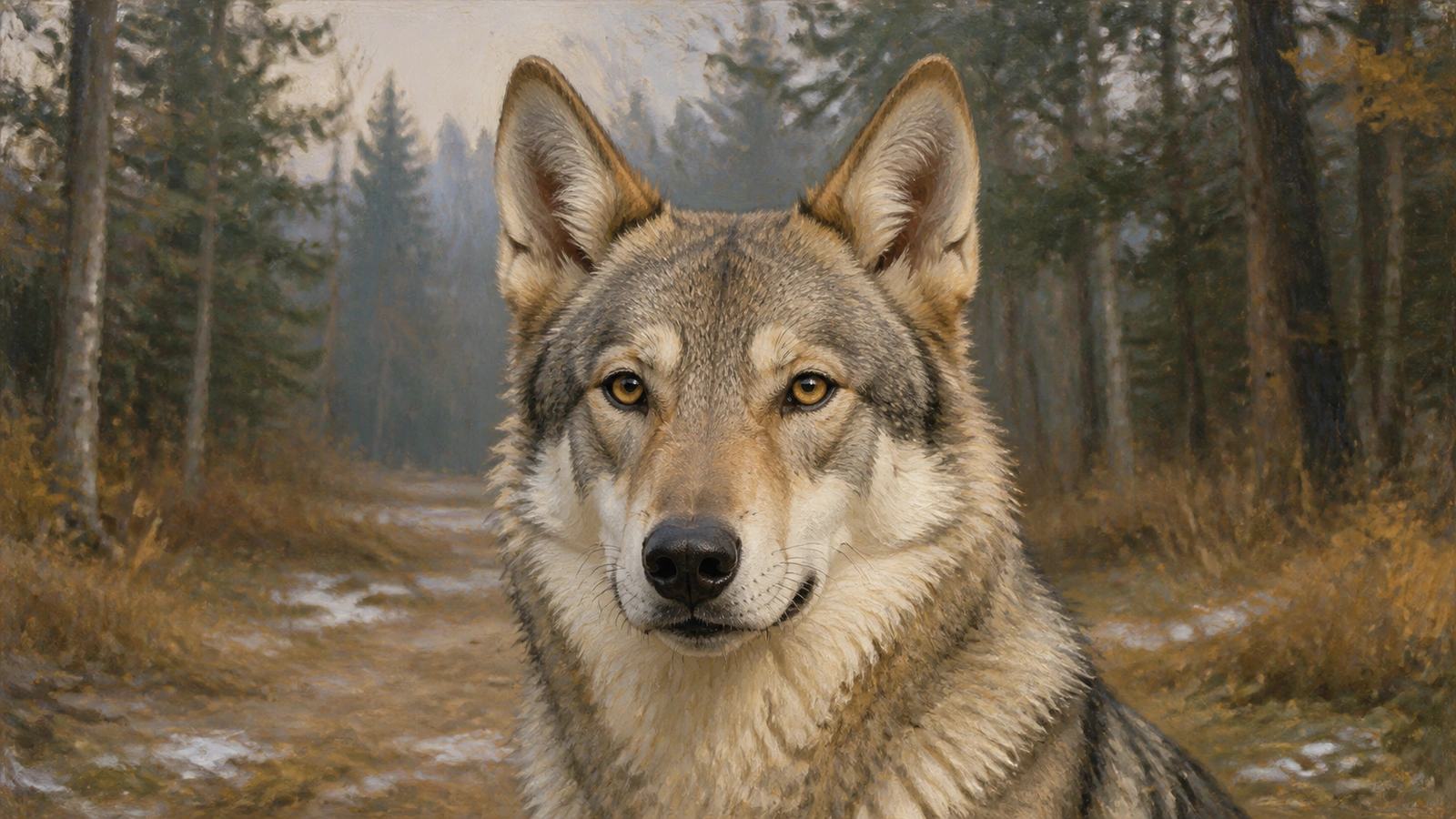
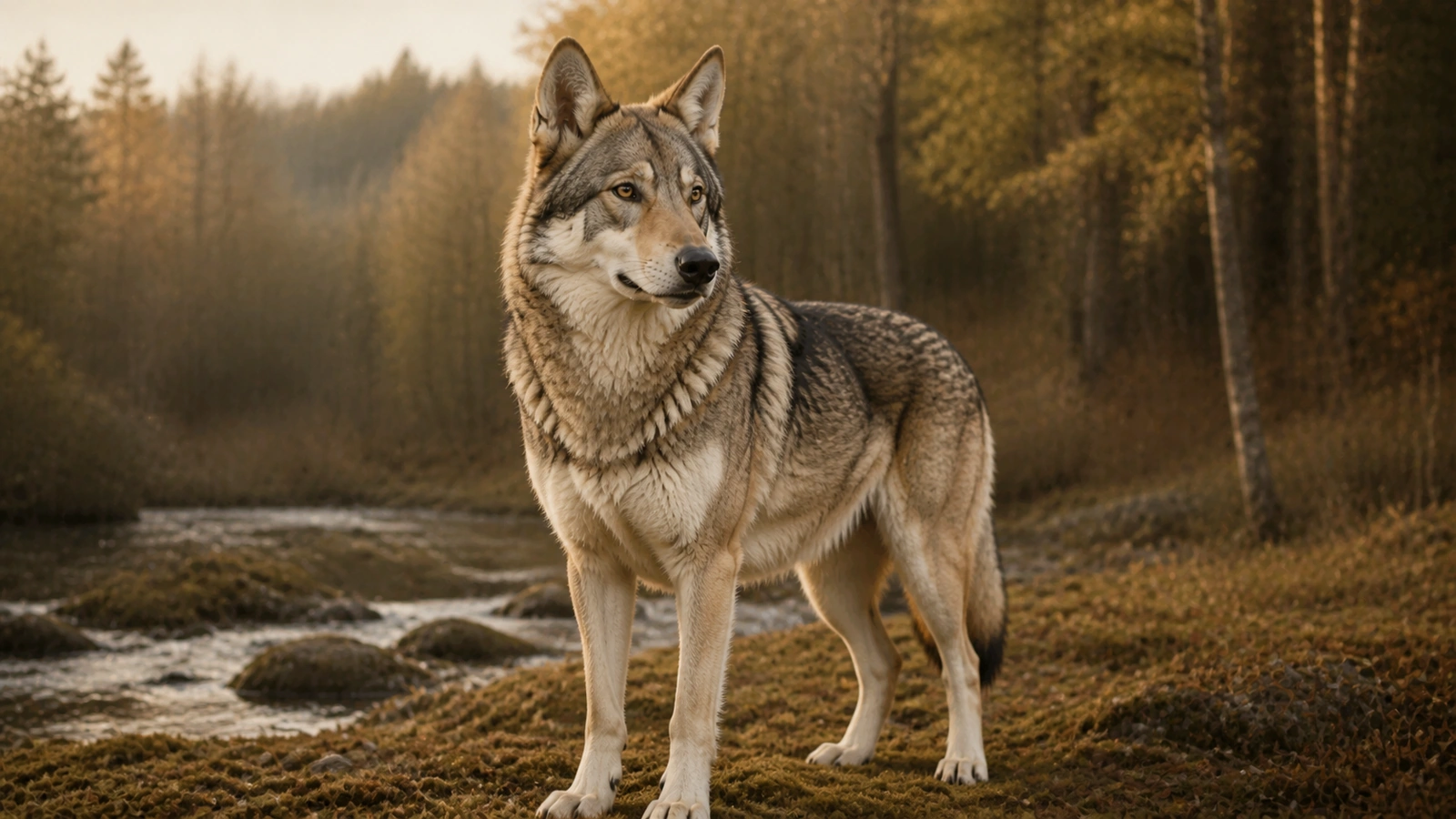
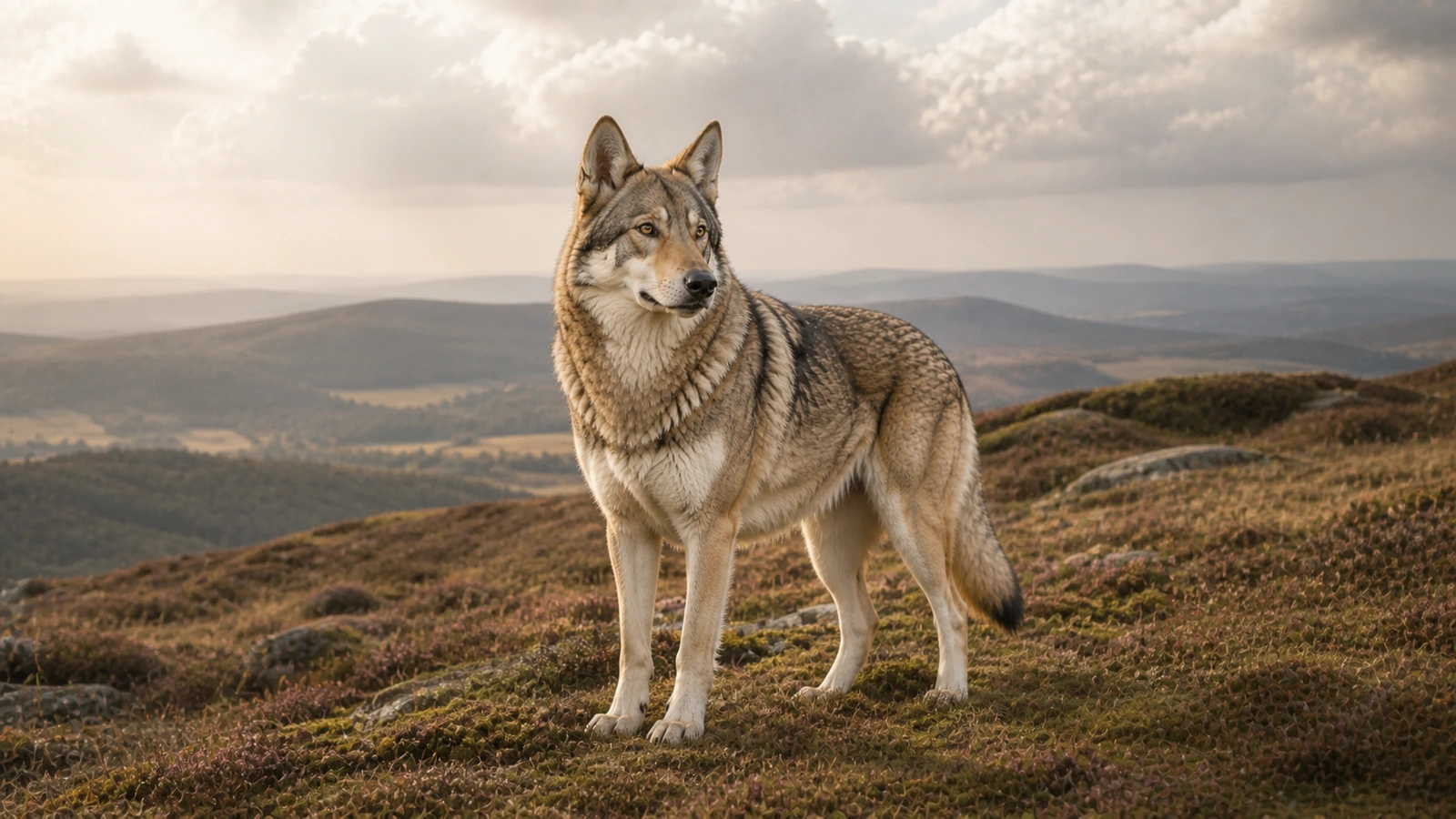
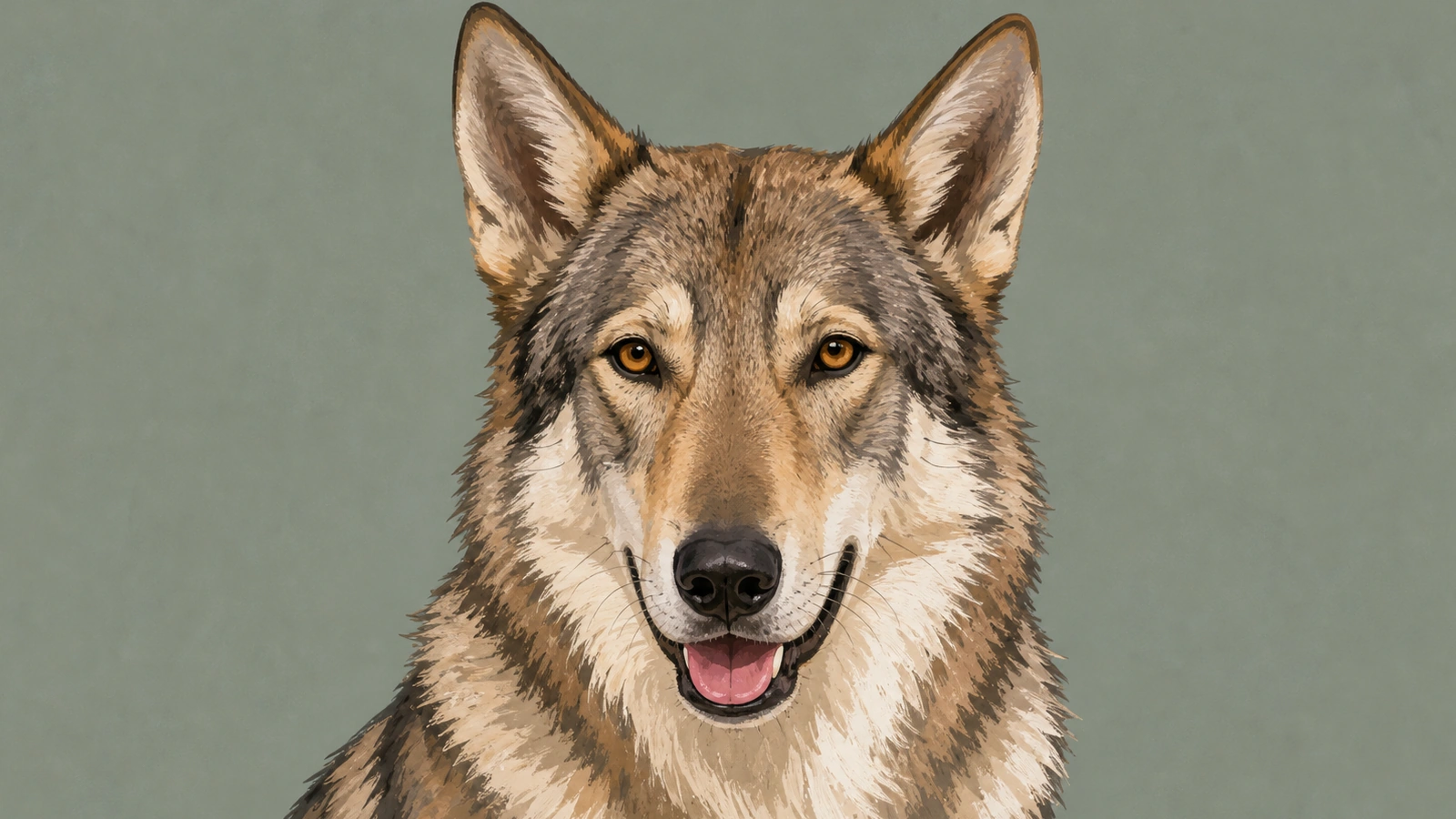
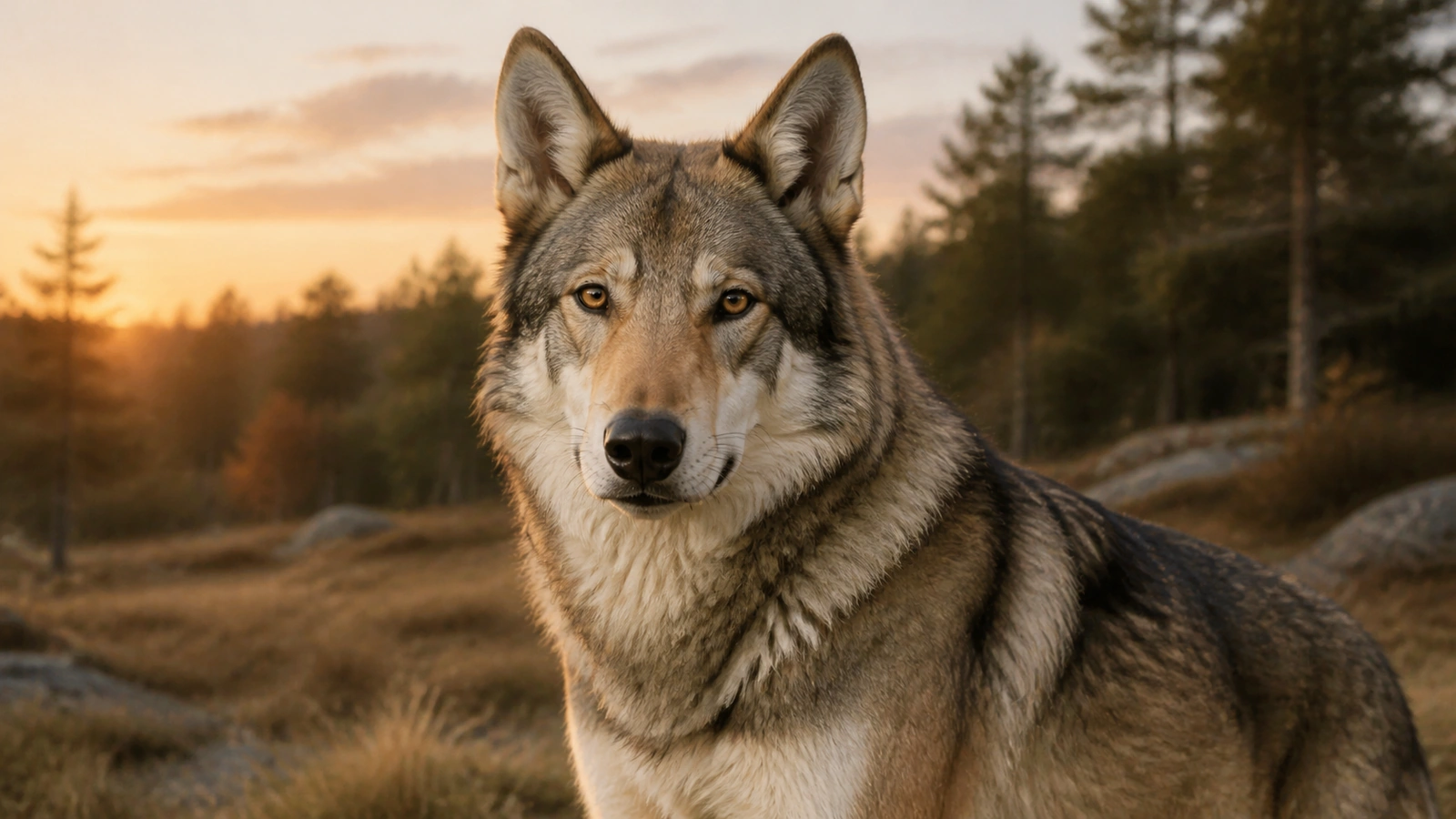
Majestic and loyal, the Saarloos Wolfdog offers a unique, wild-spirited bond for experienced owners ready for a lifetime of adventure and devotion.

BREED GROUP

Rare Dogs

Country of origin

Netherlands

BREED SIZE

Large

BREED HEIGHT

24 -

30 IN

61 -

76 cm

BREED WEIGHT

66 -

90 LB

30 -

41 KG

WHAT YOU NEED TO KNOW

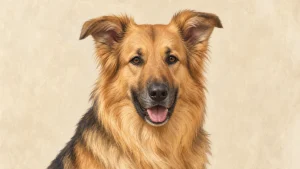
The Saarloos Wolfdog is a loyal, independent breed from the Netherlands, created by crossing German Shepherds with European wolves. They are devoted to their families but naturally reserved or suspicious around strangers, requiring extensive early socialization. These high-energy dogs need significant daily physical and mental exercise and are best suited for experienced owners. They possess a thick double coat that sheds year-round, necessitating regular brushing. While generally robust, owners should monitor for hip dysplasia and eye conditions to ensure a healthy lifespan of 10-12 years.
american kennel club (AKC) recognition

No

Breed was recognized in 0.

International Canine Federation (FCI) recognition

Yes

Breed was recognized in 1981.
WHAT DO OWNERS WANT TO KNOW?

Are Saarloos Wolfdogs good family dogs?

Not Recommended

1 out of 10

The Saarloos Wolfdog is a devoted and loyal companion for active, experienced families who can provide significant daily physical and mental exercise. However, they may be challenging for typical households due to their independent nature and extreme reservation around strangers, which requires extensive socialization. While deeply bonded to their own "pack," their high energy and wolf-like traits make them best suited for specific, dedicated environments rather than a general family setting.

Not Recommended

1 out of 10

Saarloos Wolfdogs are generally good with children they are raised with, especially older children who understand how to respect their sensitive and independent nature. However, they can be reserved or cautious around unfamiliar children, so gradual introductions and close supervision are essential to ensure safe interactions.

Poor

2 out of 10

Saarloos Wolfdogs are generally not recommended for first-time owners due to their independent, strong-willed nature and wolf-like instincts. They require an experienced handler who can provide consistent, firm training and extensive socialization to manage their natural shyness and wariness of strangers. Prospective owners must be prepared to commit significant time to meet their high mental and physical exercise needs.

Not Recommended

7 out of 10

Saarloos Wolfdogs are generally not recommended for apartment living due to their high energy levels, strong pack instincts, and need for significant mental and physical stimulation. They thrive best in spacious, rural environments with a large, securely fenced yard where they can roam freely and express their natural behaviors. Confinement in small spaces can lead to frustration, boredom, and potential separation anxiety.

Low

7 out of 10

A securely fenced yard is highly recommended for a Saarloos Wolfdog. Due to their high energy and pack instincts, they thrive best in large homes with ample space to roam.

Good

7 out of 10

Saarloos Wolfdogs are pack animals that bond closely with their owners and do not tolerate being left alone well. They can suffer from separation anxiety and require constant companionship.

Fair

4 out of 10

Spanish Mastiffs can generally live happily with cats, especially when raised together from a young age or socialized early. Due to their background as livestock guardians, they often develop protective bonds with other household pets and possess a relatively low prey drive. However, because of their massive size and potential to be alert around unfamiliar animals, supervised introductions and consistent training are essential to ensure a safe and harmonious environment.

Easygoing

7 out of 10

Saarloos Wolfdogs are not naturally aggressive and typically possess very little attack instinct, often preferring to retreat rather than confront a threat. While they are deeply devoted and affectionate with their own families, they are naturally reserved and cautious around strangers. To prevent fear-based defensive behavior, they require extensive early socialization and consistent, positive training to build confidence in unfamiliar environments.

High Energy

4 out of 10

Saarloos Wolfdogs are high-energy, active companions that require significant daily physical and mental exercise to thrive. They need long walks or runs and ample space to roam, making them best suited for active owners who can provide consistent engagement and prevent boredom.

~60-90 min a day

4 out of 10

Saarloos Wolfdogs require substantial daily physical activity and mental stimulation to thrive, typically needing at least 60 to 70 minutes of vigorous exercise. This should include long walks, runs, or hiking in secure, open areas where they can explore. Because of their intelligence and independent nature, incorporating mental challenges like scent games or problem-solving tasks is essential to prevent boredom and destructive behaviors.

Very Poor

2 out of 10

Saarloos Wolfdogs have a thick double coat and are sensitive to hot weather. Owners should provide shade and limit exercise during peak heat.

Very Poor

2 out of 10

Saarloos Wolfdogs have a thick double coat and are sensitive to hot weather. Owners should provide shade and limit exercise during peak heat.

Always Banned

1 out of 10

Saarloos Wolfdogs are frequently subject to breed bans and rental restrictions due to their wolf-like appearance and high energy needs.

WHAT DO OWNERS WANT TO KNOW?


Photo
Reviewed by
Dr. Vojtech Gabriel
DVM · PhD · MBA
Veterinarian Researcher Dog breed specialist
Verified

"As a large breed, the Saarloos Wolfdog is prone to hip dysplasia and certain eye conditions. Regular veterinary checkups are essential."
Other Rare Dogs