Skip to content

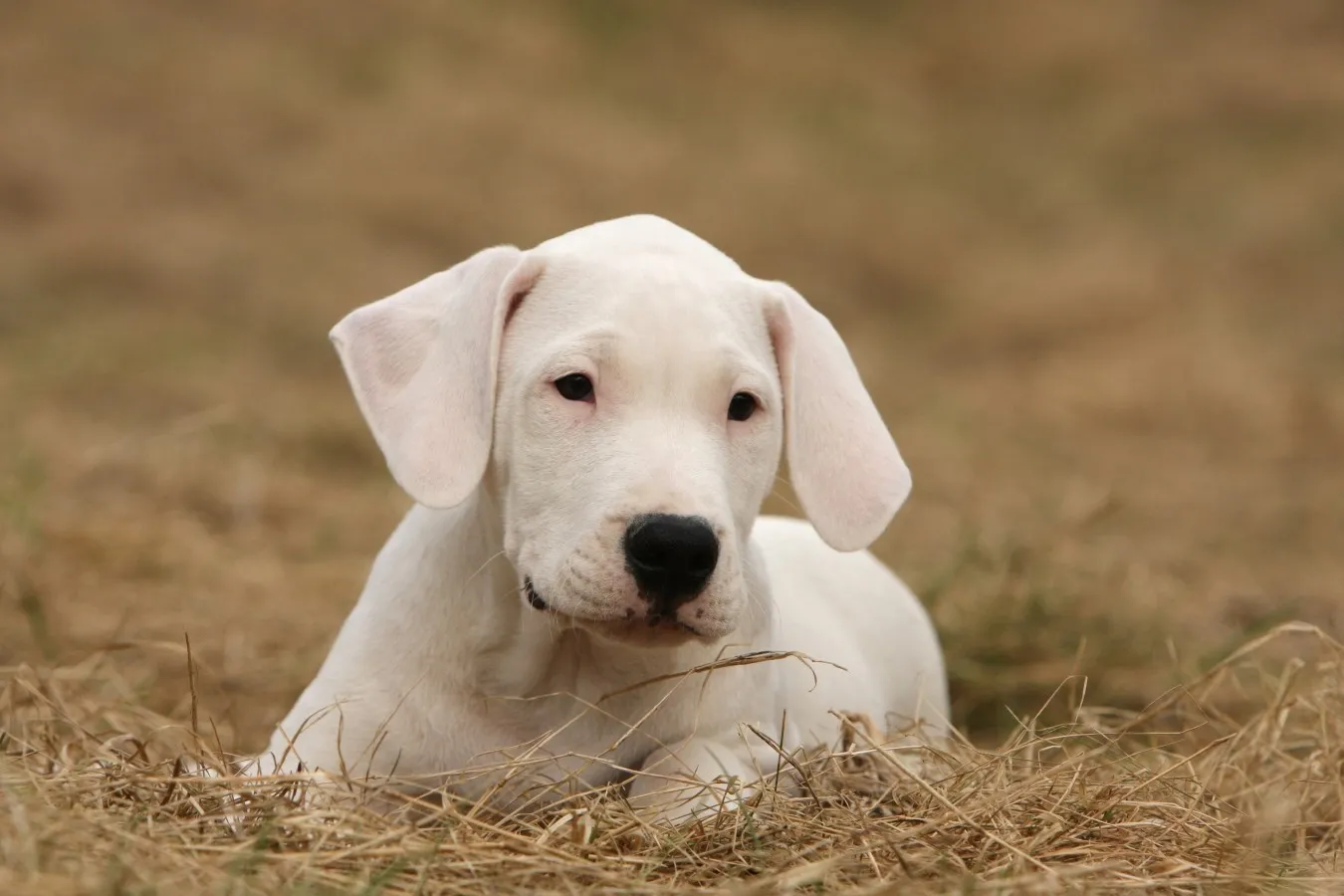
Dogo Argentino Training Profile

Dogo Argentinos are powerful, intelligent, and loyal guardians that require experienced leadership. While highly trainable, they can be stubborn and possess a strong prey drive. Success relies on consistent positive reinforcement, early socialization, and vigorous daily exercise. Establishing firm boundaries and providing mental stimulation are essential to manage their protective instincts and prevent destructive behaviors.

TRAINABILITY

Stubborn

3 out of 10

MENTAL STIMULATION NEEDS

Moderate Needs

6 out of 10

LOVE FOR GRUB

Picky Eater

3 out of 10

TRAINING FAQ

Are Dogo Argentinos easy to train?

Stubborn

3 out of 10

Dogo Argentinos are intelligent and eager to please, making them naturally obedient and capable of learning new skills quickly. However, they were bred to work independently and can be strong-willed or stubborn if they don’t have firm, consistent leadership. Success relies on early socialization and positive reinforcement-based methods to manage their high energy and independent nature.

Stubborn

3 out of 10

Dogo Argentinos are highly intelligent but possess a powerful, independent streak that can manifest as significant stubbornness. They are strong-willed and may choose to ignore commands if they find something else more interesting or if they don’t see a clear benefit to complying. Success requires firm, consistent leadership and the use of high-value rewards to maintain their focus and motivation during short, engaging training sessions.

Average

6 out of 10

Train Dogo Argentino puppies using firm, consistent leadership and positive reinforcement like treats and praise. Focus on early socialization with various people, animals, and environments to prevent future aggression and build confidence. Keep training sessions short, ideally under five to ten minutes, to manage their strong-willed nature and prevent boredom. Establish clear boundaries early, such as leash manners and basic obedience, to ensure these powerful dogs remain manageable and well-behaved as they grow.

Difficult

2 out of 10

Potty training a Dogo Argentino typically takes 4 to 6 months to achieve reliability. While their large size and bladder capacity make them easier to housebreak than smaller breeds, they are naturally stubborn and require firm, consistent leadership. Success relies on a rigid schedule, crate training, and high-value positive reinforcement to keep them focused and cooperative throughout the process.

Above Average

7 out of 10

Dogo Argentinos are high-energy athletes that typically require 60 to 90 minutes of vigorous daily exercise to remain healthy and well-behaved. This should include several long, brisk walks supplemented with activities like running, hiking, or off-leash play in a secure area. Consistent physical activity combined with mental stimulation is essential to prevent boredom and destructive behaviors in this powerful working breed.

Moderate Low

5 out of 10

A Dogo Argentino’s daily routine should focus on high-intensity physical activity and structured mental engagement to manage their powerful energy and prey drive. Provide 60 to 90 minutes of vigorous exercise, such as long leashed walks, running, hiking, or games of fetch and flying disc. Feed adults two or three smaller meals daily rather than one large portion to prevent bloat, and avoid vigorous activity immediately before or after eating. Essential daily care includes weekly brushing to manage moderate shedding, daily tooth brushing, and short, 5-10 minute positive reinforcement training sessions to reinforce obedience and socialization. Ensure they are kept in a secure, fenced area or on a leash during outdoor activities to manage their independent nature.
VET INSIGHTS

Dogo Argentinos are powerful, intelligent guardians requiring experienced leadership and consistent positive reinforcement. They possess a strong prey drive and an independent streak that demands early socialization and firm boundaries. Daily care focuses on high-intensity exercise, such as 60 to 90 minutes of vigorous activity, alongside mental stimulation to prevent boredom and manage their protective instincts effectively.
Photo
Reviewed by
Dr. Vojtech Gabriel
DVM · PhD · MBA
Veterinarian Researcher Dog breed specialist
Verified

Explore Other Breed TRAINING PROFILES