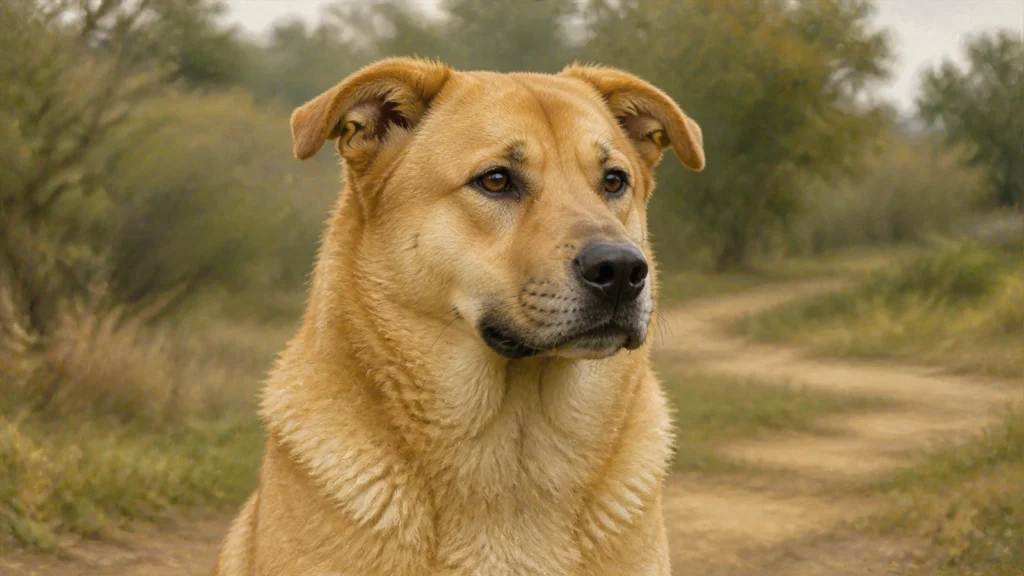
Chinook Training Profile
Breed Group
Working Dogs
Country of Origin
United States
Breed Size
Large
AKC Recognition
Yes, recognized in 2013
FCI Recognition
No
Mental stimulation needs
Average Needs5 / 10
Trainability
3 / 10
Picky eater
Average6 / 10
Easy to train
Independent4 / 10
Training stubbornness
Somewhat Stubborn4 / 10
Puppy training
Below Average4 / 10
Training FAQ
Are Chinook easy to train?
Chinooks are intelligent dogs that often display an independent and somewhat stubborn nature during training. While they are capable of learning quickly, they require a patient owner who uses consistent, positive reinforcement. Early socialization and firm leadership are essential to help these devoted, athletic companions reach their full potential.
Easy to train: 4 / 10
Are Chinook stubborn to train?
Chinooks are intelligent but can be independent and somewhat stubborn, which often manifests as selective hearing or disinterest in repetitive tasks. They respond best to consistent, positive reinforcement and a patient owner who provides clear motivation. Keeping training sessions engaging and using high-value rewards is essential to overcome their independent streak and keep them focused.
Training stubbornness: 4 / 10
How do you train a Chinook puppy?
Train your Chinook puppy using consistent positive reinforcement and high-value rewards to overcome their independent streak. Focus on early socialization and firm leadership to channel their intelligence effectively. Use patience and keep sessions short to prevent boredom-induced selective hearing. Establish a predictable routine including vigorous exercise to ensure this athletic working breed reaches its full potential.
Puppy training: 4 / 10
How difficult is potty training in Chinook?
Potty training a Chinook typically takes 4 to 6 months. While intelligent, their independent nature and high energy levels require a consistent schedule, frequent outdoor breaks, and positive reinforcement. Establishing a firm routine and using crate training are effective strategies to overcome their moderate difficulty with housebreaking.
Potty training difficulty: 4 / 10
How many walks does a Chinook need?
Chinooks are athletic working dogs that require at least two hours of daily exercise. They thrive on vigorous activities like hiking, running, or sled-pulling. Consistent morning and evening walks are essential to manage their high energy and prevent destructive behaviors stemming from boredom or loneliness.
Walking need: 9 / 10
What is the best daily routine for a Chinook?
A Chinook's daily routine should center on vigorous physical activity and consistent companionship to satisfy their working heritage. Provide at least two hours of exercise, such as long walks, hiking, or sports like sled-pulling or agility, ideally split into morning and evening sessions to manage their high energy. Feed adult Chinooks twice daily with high-quality food, monitoring intake to prevent obesity. Essential daily care includes short training sessions using positive reinforcement to engage their intelligence and regular social interaction to prevent separation anxiety and destructive behaviors. Establish a predictable schedule for feeding, exercise, and rest to help this loyal, pack-oriented breed feel secure and well-adjusted.
Routine need: 9 / 10
Vet Insights
Chinooks are intelligent working dogs with a loyal yet independent streak, requiring patient training and early socialization. They possess very high exercise needs, requiring at least two hours of daily vigorous activity to prevent boredom and destructive behaviors. Although housebreaking is demanding, these athletic companions thrive with consistent routines and companionship, serving as devoted and active family pets.