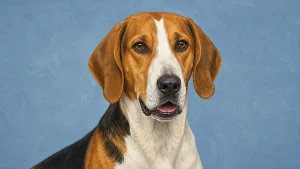
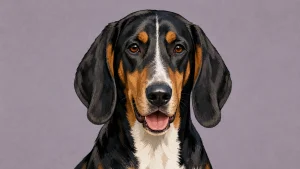
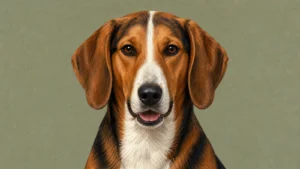
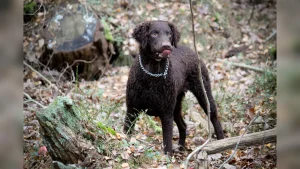
Chippiparai Training Profile
Chippiparais are intelligent sighthounds with a moderate independent streak, resulting in average trainability. They respond best to consistent, positive reinforcement and engaging sessions to manage their stubbornness. With high exercise needs and moderate potty training difficulty, owners should prioritize patience and a structured routine to ensure these loyal dogs remain focused and well-behaved.
TRAINABILITY
Moderate
6 out of 10
MENTAL STIMULATION NEEDS
Below Average
4 out of 10
LOVE FOR GRUB
Picky Eater
3 out of 10
TRAINING FAQ
Are Chippiparais easy to train?
Average
5 out of 10
Chippiparais possess average trainability, blending intelligence with a classic sighthound independence. They respond best to consistent, positive reinforcement rather than harsh methods. While generally cooperative, their moderate stubbornness means owners need patience and engaging sessions to manage their independent spirit and keep these loyal dogs focused.
Are Chippiparais stubborn?
Moderate
6 out of 10
Chippiparais are independent thinkers that can exhibit a stubborn streak, a trait common in sighthounds. Despite this, their high intelligence and strong devotion to their owners make them easier to train than many similar breeds. Success requires consistent, positive reinforcement and early socialization to manage their independent spirit and ensure they remain focused on commands rather than their natural hunting instincts.
How to train a Chippiparai puppy?
Average
6 out of 10
Train your Chippiparai puppy using consistent, positive reinforcement and gentle guidance, as they are sensitive and do not respond well to harsh treatment. Focus on early socialization with various people, animals, and environments to manage their inherent nervousness and suspicious nature. Start basic obedience training early to channel their high intelligence and desire to please into constructive behaviors while building a strong, devoted bond with their handler.
How difficult is to potty train a Chippiparai puppy?
Moderate
5 out of 10
Potty training a Chippiparai typically takes 4 to 6 months to achieve reliability. While intelligent, their sighthound independence and moderate stubbornness require a consistent, patient approach. Success relies on a strict outdoor schedule, crate training, and immediate positive reinforcement to help them overcome their natural independent streak.
How many walks does a Chippiparai need?
High Needs
8 out of 10
Chippiparais are high-energy sighthounds that require at least 90 minutes to 3 hours of vigorous daily exercise to remain healthy and prevent destructive behavior. Ideally, they need multiple long, brisk walks supplemented by time to run freely in a large, secure enclosure. Due to their intense athletic needs and desire for speed, they are better suited for homes with yards rather than apartment living.
What is the best daily routine for a Chippiparai?
Very Low
3 out of 10
A Chippiparai’s daily routine should focus on consistent physical activity and mental engagement to manage their sighthound independence. Provide 90 minutes to 3 hours of exercise, ideally split into moderate walks combined with opportunities for off-leash running in a secure area or games of fetch. Incorporate short, 5-10 minute training sessions using positive reinforcement and high-value treats to keep them focused. Feed adults twice daily and monitor their intake, as they can be quite picky. Essential daily care includes providing interactive puzzle toys or scent games to satisfy their natural instincts and ensuring they have a quiet place to rest after exercise.
VET INSIGHTS
Chippiparais are intelligent sighthounds with a moderate independent streak, requiring patient, positive reinforcement training. They have high exercise needs, needing at least 60 to 90 minutes of daily activity. Potty training typically takes four to six months. Their daily routine should balance vigorous physical exercise with mental engagement, early socialization, and careful monitoring of their picky eating habits.

Reviewed by
Dr. Vojtech Gabriel
DVM · PhD · MBA
Veterinarian
Researcher
Dog breed specialist
✓
Verified