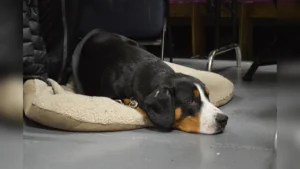
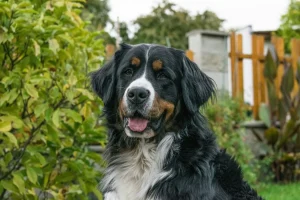
Appenzeller Sennenhund Grooming Profile
COAT TYPE
Double Coat
SHEDDING
Moderate
GROOMING SKILL
Easy
TRAINING FAQ
Are Appenzeller Sennenhunds hypoallergenic?
Worst Choice
Appenzeller Sennenhund are considered to have moderate allergy-friendly tendencies. They possess a double coat coat that has moderate shedding. Their grooming needs are easy.
Do Appenzeller Sennenhunds shed a lot?
Moderate
The Appenzeller Sennenhund has a short, dense double coat that sheds moderately year-round, with heavier blowouts during spring and fall coat changes. Weekly brushing keeps loose hair manageable, though owners should expect some hair on floors and furniture. This tricolor Swiss herder is not a good match for strict no-shed households.
How often should you groom your Appenzeller Sennenhund?
30 mins/week
To maintain an Appenzeller Sennenhund's double coat, brush them weekly to manage moderate shedding. During seasonal shedding periods, more frequent brushing is necessary.
Are Appenzeller Sennenhunds low maintenance dogs?
Hard
Appenzeller Sennenhunds are high-maintenance dogs. While their grooming needs are moderate, they are highly energetic working dogs that require significant daily exercise, firm training, and mental stimulation.
How big do Appenzeller Sennenhunds get?
Medium
Appenzeller Sennenhunds are medium-sized dogs. They typically stand 20 to 22 inches tall at the shoulder and weigh between 48 and 70 pounds, possessing a sturdy and athletic build.
When do Appenzeller Sennenhunds usually stop growing?
24-36 months
Appenzeller Sennenhunds typically reach their full adult height by 12 to 18 months of age, but they continue to fill out and gain muscle mass until they are about two years old.
How much should a Appenzeller Sennenhund eat?
2-3 cups
An adult Appenzeller Sennenhund typically requires 2 to 3 cups of high-quality dry food daily, divided into two meals. Adjust portions based on their size, age, and high activity level.
How often should a Appenzeller Sennenhund eat?
3-4 meals/day
Appenzeller Sennenhund puppies do best on three to four small meals a day until around six months old, then two meals thereafter. This active herding breed grows quickly, so consistent portions support steady joint development. Always check with your veterinarian for a feeding plan matched to your puppy's growth curve.