Skip to content

Appenzeller Sennenhund Personality Profile

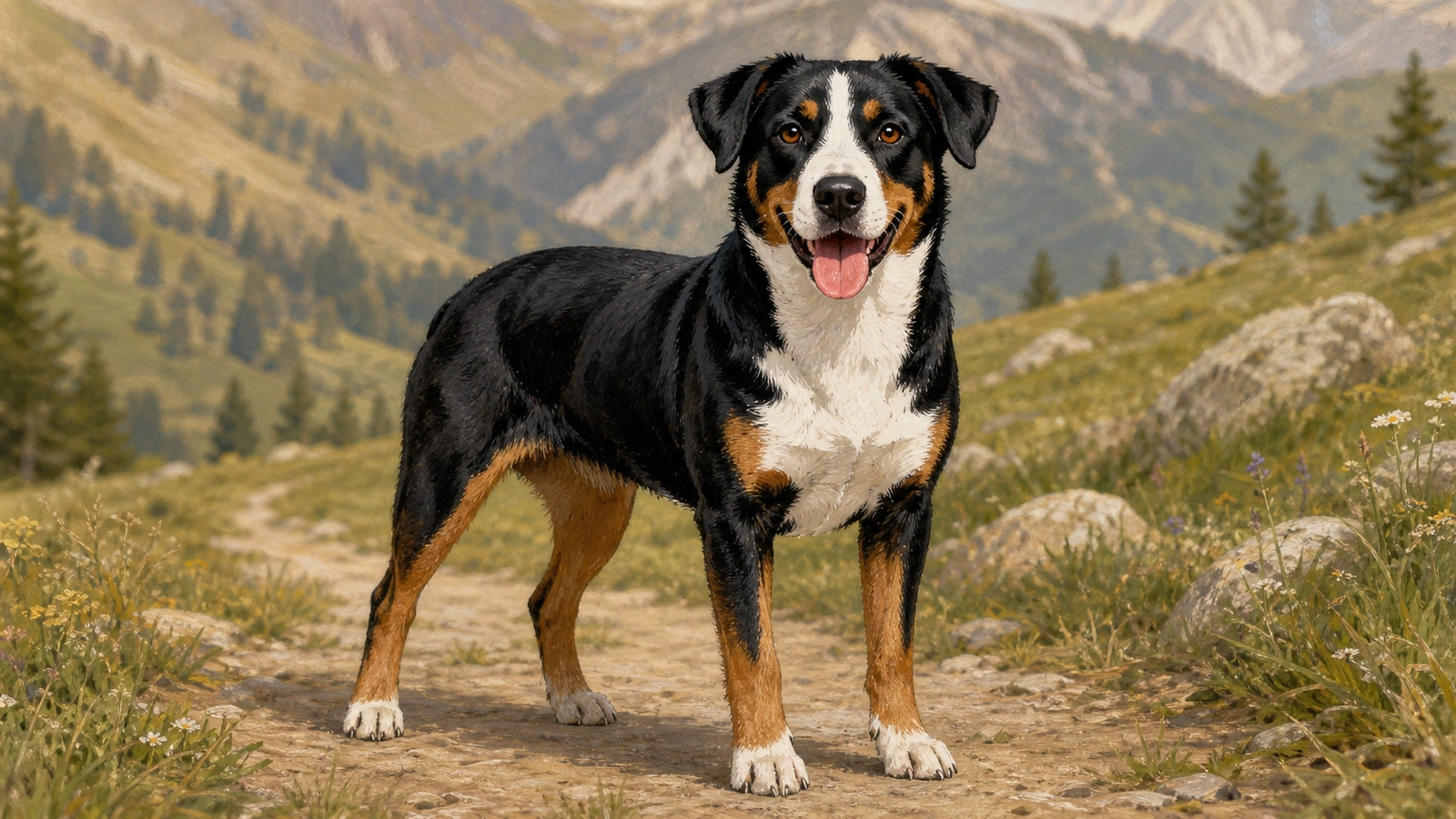
The Appenzeller Sennenhund is a highly intelligent, energetic, and versatile working breed. Known for their loyalty and fearless nature, these agile dogs form deep family bonds but remain naturally wary of strangers. They require significant mental and physical stimulation to thrive, making them excellent watchdogs and athletic companions for active households.
FRIENDLINESS

Neutral

5 out of 10

ATTACHMENT

Very Affectionate

8 out of 10

PLAYFULNESS

Moderate

6 out of 10

TEMPERAMENT FAQ

Are Appenzeller Sennenhunds smart?

Very Smart

8 out of 10

Appenzeller Sennenhunds are highly intelligent and eager to work. Bred for herding and guarding, they learn quickly and excel at complex tasks. However, they need consistent training and mental stimulation to prevent boredom and ensure their smarts are channeled positively.

Moderately Cuddly

6 out of 10

They are loyal and devoted to their families, enjoying time spent together. While they appreciate affection and petting, they are primarily active working dogs rather than needy lap dogs. They prefer having a job to do over constantly cuddling.

Anxious

7 out of 10

Because they bond closely with their families, they can develop separation anxiety if left alone for extended periods without adequate physical and mental exercise. They thrive on activity and companionship, so an active household is best suited for them.

Vocal

8 out of 10

As traditional herding and guarding dogs, Appenzellers are naturally vocal. They use their loud bark to control livestock and alert owners to strangers. Consistent early training is crucial to manage their barking tendencies in a typical home environment.

Protective

8 out of 10

They are naturally protective and highly territorial. Appenzellers make excellent, vigilant watchdogs and will fiercely defend their home and family. Early, extensive socialization is necessary to ensure they can distinguish between normal visitors and actual threats.

VET INSIGHTS

Because they bond closely with their families, they can develop separation anxiety if left alone for extended periods without adequate physical and mental exercise. They thrive on activity and companionship, so an active household is best suited for them.

Photo
Reviewed by
Dr. Vojtech Gabriel
DVM · PhD · MBA
Veterinarian Researcher Dog breed specialist
Verified

Explore Other Breed Personalities