Skip to content

Spanish Mastiff - MAIN HUB

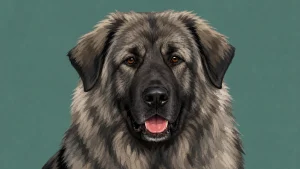
A noble and massive protector, the Spanish Mastiff is a calm, loyal giant that thrives with space to roam and an experienced, loving hand.

BREED GROUP

Working Dogs

Country of origin

Spain

BREED SIZE

Giant

BREED HEIGHT

28 -

35 IN

71 -

89 cm

BREED WEIGHT

140 -

200 LB

64 -

91 KG

WHAT YOU NEED TO KNOW

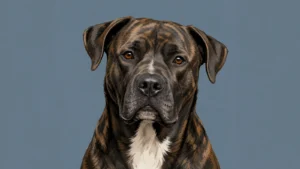
The Spanish Mastiff is a massive, powerful livestock guardian originating from Spain. Known for its noble and calm temperament, this giant breed typically lives 10-12 years and can weigh up to 200 pounds. While they are deeply loyal and protective of their families, their immense size and independent nature require experienced owners. They are not suited for apartment living, needing significant space to roam. Early socialization is crucial to manage their guarding instincts. Despite their strength, they are generally affectionate companions that provide a dignified presence in any home.
american kennel club (AKC) recognition

No

Breed was recognized in 0.

International Canine Federation (FCI) recognition

Yes

Breed was recognized in 1954.

WHAT DO OWNERS WANT TO KNOW?

Are Spanish Mastiffs good family dogs?

Above Average

6 out of 10

Spanish Mastiffs are excellent family dogs known for their noble, calm temperament and deep loyalty to their owners. While they are affectionate and protective companions, their massive size and independent nature make them best suited for experienced owners with plenty of space.

Average

6 out of 10

Spanish Mastiffs are generally excellent with children, known for being kind, gentle, and patient. Their calm and protective nature makes them devoted companions for their family. However, due to their massive size, they can accidentally knock over small children, so all interactions should be supervised. Early socialization is also important to help them manage their natural guarding instincts around strangers.

Good

6 out of 10

Spanish Mastiffs can be a suitable choice for committed first-time owners who are prepared for the demands of a giant, independent breed. While loyal and calm, their massive size and strong-willed nature require early socialization and firm, consistent training to manage their protective instincts. Owners must have significant space and be ready for the specific health and financial responsibilities of a livestock guardian.

Poor

2 out of 10

Spanish Mastiffs are not recommended for apartment living due to their massive size and their need for significant space to roam. As giant livestock guardians, they thrive best in rural settings or large homes with securely fenced yards where they can patrol comfortably. Furthermore, their deep, powerful bark and independent nature make them better suited for environments where they won't disturb neighbors in close proximity.

Low

7 out of 10

A yard is not strictly required for a Spanish Mastiff, but it is highly recommended due to their massive size and history as livestock guardians. While they have moderate energy levels and can be calm indoors, they thrive in homes with a securely fenced yard where they have enough space to roam, patrol, and engage in daily activity. They are generally not suited for apartment living because of their immense physical presence and need for a dedicated outdoor area.

Spanish Mastiffs are independent and composed dogs that generally tolerate being left alone well due to their calm and patient temperament.

8 out of 10

Tosas are independent and composed dogs that generally tolerate being left alone well due to their calm and patient temperament. Their disciplined nature makes them less prone to separation anxiety compared to more social breeds, provided they receive sufficient physical exercise and mental stimulation when their owners are present.

Good

6 out of 10

Spanish Mastiffs can generally live happily with cats, especially when raised together from a young age or socialized early.

Calm

8 out of 10

Spanish Mastiffs are not naturally aggressive but are fiercely protective and loyal to their families.

Active

6 out of 10

Spanish Mastiffs are giant, tranquil dogs with moderate energy levels, requiring regular physical activity to maintain their health.

~60 min a day

3 out of 10

Spanish Mastiffs require moderate daily exercise to maintain their physical and mental well-being, typically needing about 60 minutes of activity.

Average

5 out of 10

Spanish Mastiffs have a low tolerance for hot weather due to their massive size and thick coats, which can cause them to overheat quickly.

Average

5 out of 10

Spanish Mastiffs have a low tolerance for hot weather due to their massive size and thick coats, which can cause them to overheat quickly.

Always Banned

1 out of 10

Spanish Mastiffs are frequently subject to apartment and rental bans due to their giant size and protective guardian instincts. Their weight, often reaching 200 pounds, far exceeds typical apartment weight limits, and their history as livestock protectors may lead to insurance restrictions. These massive dogs are not suited for apartment living and require homes with significant space to roam safely.

WHAT DO OWNERS WANT TO KNOW?


Photo
Reviewed by
Dr. Vojtech Gabriel
DVM · PhD · MBA
Veterinarian Researcher Dog breed specialist
Verified
"Spanish Mastiffs are noble and massive protectors, but their giant stature predisposes them to several serious health conditions. As a veterinarian, I prioritize monitoring for Gastric Dilatation-Volvulus (GDV or bloat), a life-threatening emergency common in deep-chested breeds; owners should feed multiple small meals and avoid exercise around mealtime. They are also highly prone to hip and elbow dysplasia, which can lead to debilitating arthritis, and degenerative myelopathy, a progressive spinal disease. Obesity significantly exacerbates joint issues and heart disease, making strict weight management essential. Additionally, I recommend regular checks of their skin folds to prevent bacterial or yeast infections and screening for hereditary eye disorders. Given their slow maturation and potential for orthopedic issues, maintaining a lean body condition and providing joint support are critical for their long-term well-being."

Other Working Dogs