Sealyham Terrier Training Profile
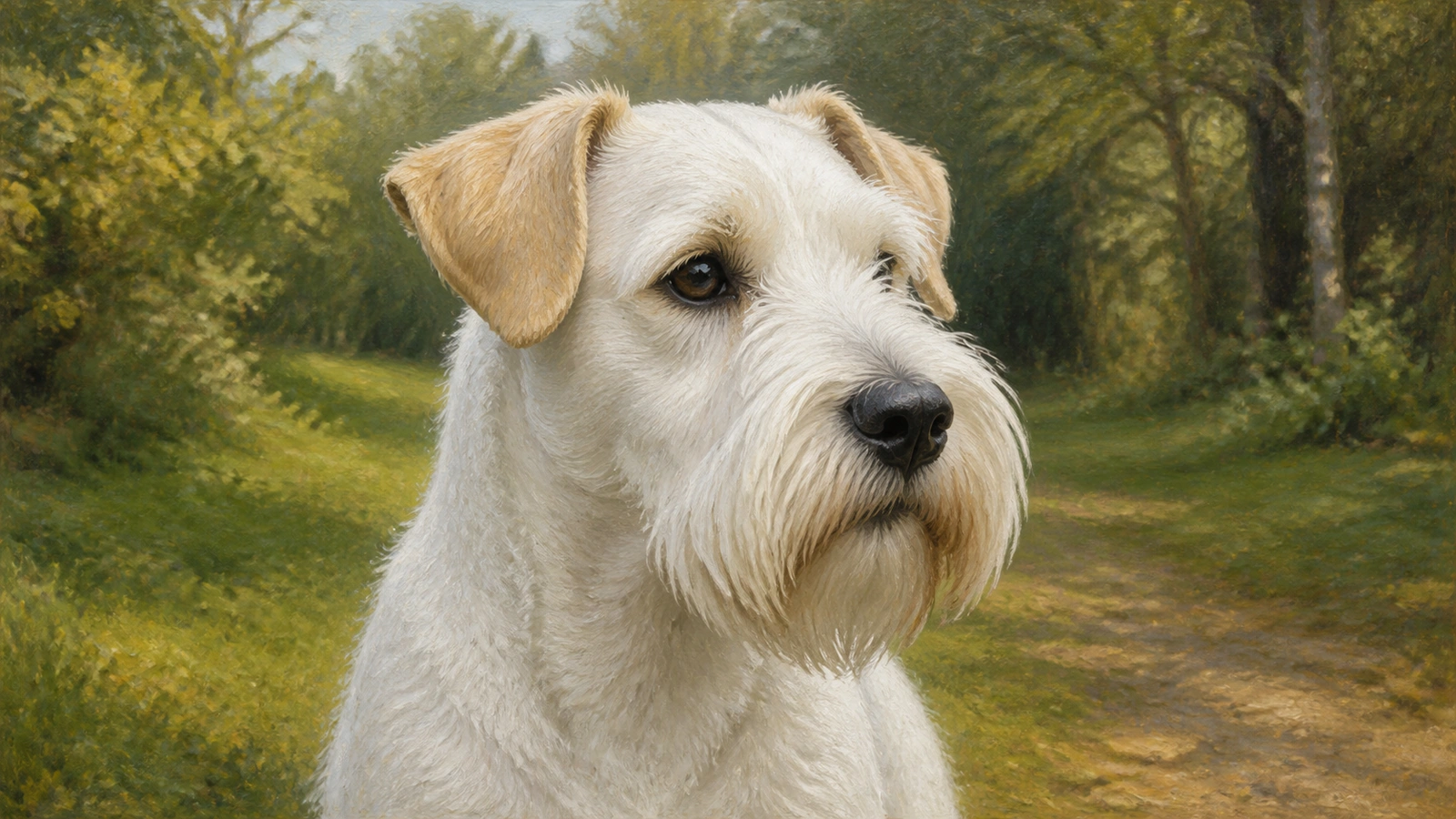
Sealyham Terriers are intelligent but independent, requiring consistent, positive reinforcement to manage their stubborn streak. While more laid-back than many terriers, they need early socialization and firm leadership to master housebreaking and obedience. Their training should be short and engaging to prevent boredom in this loyal, spirited, and courageous companion.
TRAINABILITY
Hard
2 out of 10
MENTAL STIMULATION NEEDS
High Needs
8 out of 10
LOVE FOR GRUB
Picky Eater
3 out of 10
TRAINING FAQ
Are Sealyham Terriers easy to train?
Independent
4 out of 10
Sealyham Terriers are intelligent and capable learners, but their independent and strong-willed nature can make training a bit challenging. While they are eager to please in the right environment, their stubborn streak means they require patience, consistency, and engaging, reward-based methods to be successful. Starting obedience and socialization at an early age is vital to establish good manners and overcome their headstrong tendencies.

Are Sealyham Terriers stubborn?
Highly Stubborn
1 out of 10
Sealyham Terriers are intelligent but possess an independent and strong-willed nature that often translates into a notable stubborn streak. Their bold personality can lead to selective listening, especially if training sessions become too repetitive or lack engagement. To succeed, owners must maintain firm consistency and use high-value positive reinforcement to channel their determined spirit into cooperative learning.
How to train a Sealyham Terrier puppy?
Below Average
4 out of 10
Train your Sealyham Terrier puppy using short, varied sessions and positive reinforcement like treats and praise to maintain their interest. Focus on early socialization and establishing clear, consistent boundaries to manage their independent and strong-willed nature. Because they can be stubborn, use patience and persistence to overcome selective listening and build a strong bond.
How difficult is to potty train a Sealyham Terrier puppy?
Very Difficult
1 out of 10
Potty training a Sealyham Terrier typically takes 4 to 6 months. While intelligent, their independent and stubborn nature can make housebreaking a challenge. Success requires firm, consistent training, a strict schedule, and positive reinforcement to overcome their strong-willed temperament and ensure they master indoor manners.
How many walks does a Sealyham Terrier need?
Very Low
1 out of 10
Sealyham Terriers require moderate daily exercise, typically consisting of at least one hour of physical activity. This should include brisk walks and opportunities for mental stimulation through sniffing and exploring different routes. While they are not high-energy athletes, they are active terriers that enjoy play sessions in a secure area and benefit from regular exercise to maintain a healthy weight and calm temperament indoors.
What is the best daily routine for a Sealyham Terrier?
High Needs
8 out of 10
A Sealyham Terrier’s daily routine should balance their moderate energy levels with their independent spirit and grooming needs. Provide 60 to 90 minutes of daily exercise, split into brisk walks and interactive play sessions in a secure area to satisfy their hunting instincts and scent-tracking nature. Feed adult Sealyhams two meals daily of high-quality, protein-rich food, monitoring portions carefully as they are prone to obesity. Essential daily care includes brushing their wiry double coat every two to three days to prevent matting and wiping their facial furnishings after meals. Incorporate short, varied 10-minute training sessions with positive reinforcement to keep their sharp minds engaged and prevent boredom-related behaviors.
VET INSIGHTS
Sealyham Terriers are intelligent yet independent, requiring consistent positive reinforcement to manage their stubborn nature. They need moderate exercise—roughly 60 to 90 minutes daily—and significant mental stimulation to prevent boredom. Their care routine is demanding, involving frequent wiry coat grooming and patience during difficult housebreaking. These spirited, loyal companions are often picky eaters but courageous family pets.

Reviewed by
Dr. Vojtech Gabriel
DVM · PhD · MBA
Veterinarian
Researcher
Dog breed specialist
✓
Verified