Skip to content

Dachshund Training Profile

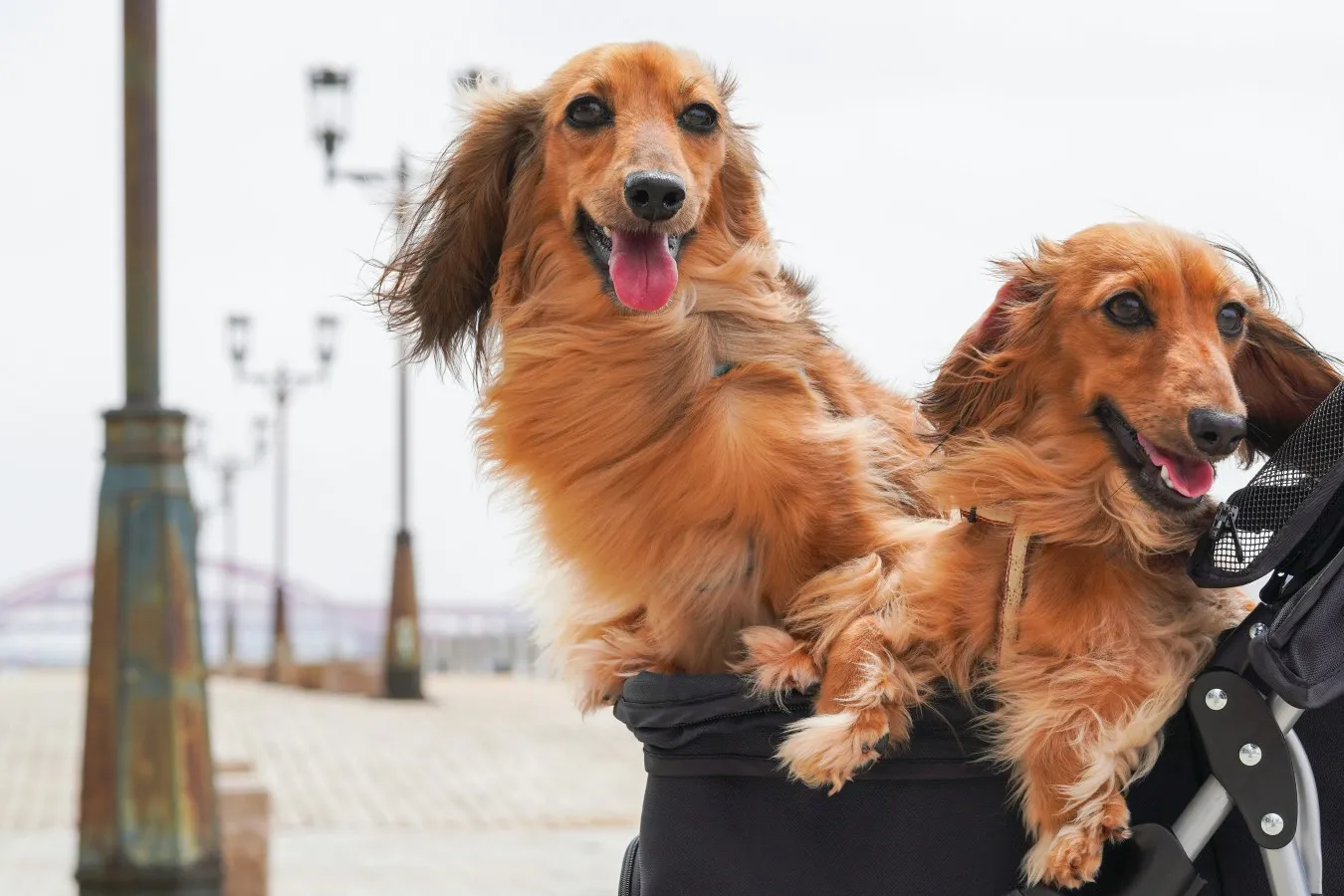
Dachshunds are intelligent yet notoriously stubborn, requiring significant patience and high-value rewards. They learn quickly but often follow their own agenda, making consistent, short training sessions essential. Potty training can be challenging, necessitating a strict routine. Owners should prioritize spinal health by using harnesses and avoiding jumping during daily exercise.

TRAINABILITY

Hard

2 out of 10

MENTAL STIMULATION NEEDS

Above Average

7 out of 10

LOVE FOR GRUB

Eats Everything

10 out of 10

TRAINING FAQ

Are Dachshunds easy to train?

Stubborn

3 out of 10

Dachshunds are intelligent but notoriously stubborn, requiring patience and consistency from owners. While they learn quickly, their independent nature and strong prey drive can lead to selective hearing. Using high-value food rewards and keeping training sessions short and fun is essential for success with this determined breed.

Very Stubborn

8 out of 10

Yes, Dachshunds are famously stubborn. Originally bred for independent hunting, they often prefer their own agenda over yours. Training requires extreme patience, consistency, and high-value rewards. Keep sessions short and fun to manage their independent spirit and ensure they stay engaged with the learning process.

Above Average

7 out of 10

Train your Dachshund puppy using short, consistent, and positive reinforcement sessions. Their independent nature requires patience and high-value treats to maintain focus. Prioritize early socialization and establish a strict potty routine. Remember to discourage jumping to protect their delicate backs while building a strong leader-follower relationship.

Difficult

3 out of 10

Potty training a Dachshund can be difficult and typically takes between 6 months to a year of consistent effort. Known for their independent nature, stubbornness, and small bladders, they require frequent outdoor breaks and positive reinforcement. Establishing a strict routine and using crate training is often necessary to overcome their reputation for being difficult to housebreak.

Average Needs

5 out of 10

An adult Dachshund typically needs 30 to 60 minutes of daily exercise to stay healthy and prevent obesity. While they are active, their short legs and spinal risks mean they benefit from multiple shorter walks (2 to 3 times a day) rather than one long trek.

Moderate

6 out of 10

A Dachshund’s daily routine should focus on spinal health and weight management. Provide 30 to 60 minutes of low-impact exercise, ideally split into two or three short walks on flat ground to avoid overtaxing their frame. Feed adult Dachshunds twice daily to maintain a lean weight and reduce spinal pressure. Essential daily care includes short, 5-minute training sessions with positive reinforcement and strictly avoiding activities like jumping off furniture or climbing stairs. Always use a harness for walks and incorporate mental stimulation through scent games or puzzle toys.

VET INSIGHTS

Dachshunds are intelligent but notoriously stubborn independent thinkers, requiring extreme patience and high-value rewards. Due to their unique anatomy, protecting spinal health by avoiding jumping and managing weight is critical. While housebreaking and obedience are challenging, consistent routines, low-impact exercise, and early socialization help these loyal, vocal companions thrive in a structured, patient home environment.
Photo
Reviewed by
Dr. Vojtech Gabriel

DVM · PhD · MBA
Veterinarian Researcher Dog breed specialist
Verified

Explore Other Breed TRAINING PROFILES