Skip to content

Newfoundland Training Profile

Newfoundlands are intelligent, eager-to-please “gentle giants” that respond best to calm, positive reinforcement. While highly trainable, their massive size makes early socialization and obedience training essential for safety. Owners should focus on consistent, short sessions and low-impact exercise like swimming to protect their joints while managing their slow maturation and sensitive nature.

TRAINABILITY

Hard

2 out of 10

MENTAL STIMULATION NEEDS

Very Low

1 out of 10

LOVE FOR GRUB

Eats Everything

10 out of 10

TRAINING FAQ

Are Newfoundlands easy to train?

Very Easy

10 out of 10

Newfoundlands are exceptionally easy to train due to their high intelligence and strong desire to please. Known as gentle giants, they respond best to calm, positive reinforcement. Their eager nature and stable temperament make them ideal students for owners who provide consistent, reward-based guidance from puppyhood.

Not Stubborn

10 out of 10

Newfoundlands are generally not considered stubborn; they are intelligent, eager to please, and highly responsive to training. However, their calm, laid-back nature can sometimes be mistaken for laziness. They respond best to patient, positive reinforcement and consistent guidance to keep them motivated and engaged.
Easy

10 out of 10

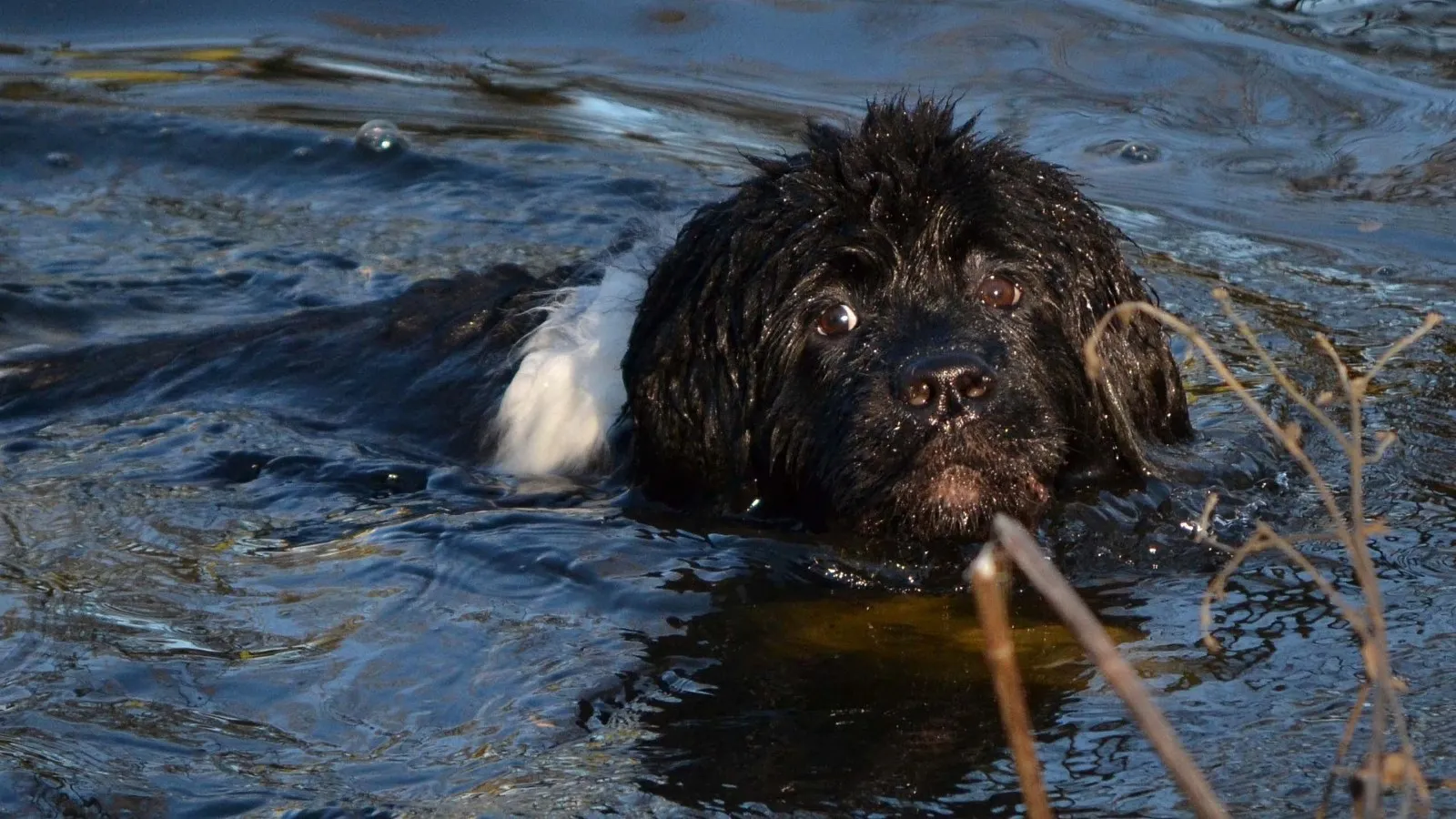
Train your Newfoundland puppy using calm, consistent, and positive reinforcement. Focus on early socialization and basic commands like “sit” to manage their future size. Because they are sensitive and eager to please, avoid harsh tones. Keep sessions short and engaging to prevent these intelligent giants from getting bored.

Difficult

2 out of 10

Potty training a Newfoundland typically takes several months, as they mature more slowly than smaller breeds. While they are eager to please and intelligent, their large size and water consumption require a rigid schedule. Success relies on consistent positive reinforcement, crate training, and proactive outdoor breaks.
Extreme Needs

10 out of 10

Newfoundlands require moderate daily exercise, typically consisting of one or two 30-minute walks. Despite their large size, they are relatively laid-back. Swimming is an excellent low-impact alternative that protects their joints. Always avoid strenuous activity during hot weather, as their thick coats make them prone to overheating.

Moderate

6 out of 10

A Newfoundland’s daily routine should focus on moderate activity and joint health. Provide 30 to 60 minutes of low-impact exercise, such as two 30-minute walks or a swim, ideally during cooler morning or evening hours to prevent overheating. Feed adult Newfoundlands twice daily and puppies three to four times to maintain a healthy weight and support their large frames. Essential daily care includes brushing their thick double coat to prevent matting, plus short, calm training sessions using positive reinforcement. Ensure they have a cool place to rest and avoid high-impact activities that could strain their joints.

VET INSIGHTS

Newfoundlands are intelligent, eager-to-please “gentle giants” who respond well to calm, positive reinforcement. While highly trainable, they require patient housebreaking due to slow maturation. Their care routine prioritizes joint health and heat management, involving 30 to 60 minutes of low-impact exercise like swimming. Regular brushing of their thick double coat is essential to prevent matting and maintain health.

Photo
Reviewed by
Dr. Vojtech Gabriel
DVM · PhD · MBA
Veterinarian Researcher Dog breed specialist
Verified

Explore Other Breed TRAINING PROFILES