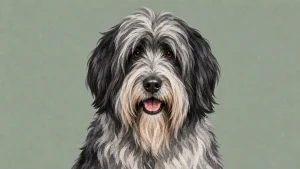
Anglo-Français de Petite Vénerie Personality Profile
The Anglo-Français de Petite Vénerie is a social, energetic scenthound known for its friendly and affectionate personality. Highly intelligent and hardworking, these pack animals thrive on companionship and human interaction. While gentle at home, they possess a strong prey drive and vocal nature, requiring consistent training and plenty of vigorous exercise to remain happy.
FRIENDLINESS
Very Accepting
8 out of 10
ATTACHMENT
Affectionate
7 out of 10
PLAYFULNESS
Average
5 out of 10
TEMPERAMENT FAQ
Are Anglo-Français de Petite Véneries smart?
Very Smart
8 out of 10
As dedicated scenthounds, they are highly intelligent when it comes to tracking and hunting. However, their strong prey drive and independent hound nature can make standard obedience training challenging. They require patience, consistency, and engaging, reward-based methods.
Do Anglo-Français de Petite Véneries like to cuddle?
Moderately Cuddly
7 out of 10
When not on the trail, these hounds are gentle and affectionate. Bred to live harmoniously in packs, they enjoy the company of their human families and appreciate relaxing indoors with a good cuddle after a long day of exercise.
Do Anglo-Français de Petite Véneries get separation anxiety?
Highly Anxious
8 out of 10
Because they are highly sociable pack animals, they thrive on companionship. They can struggle with separation anxiety if left alone for extended periods without canine or human company, potentially leading to destructive behaviors and excessive vocalization.
Do Anglo-Français de Petite Véneries bark a lot?
Very Vocal
8 out of 10
Like most scenthounds, they are naturally vocal. They have a loud bay that they use enthusiastically while hunting or when they catch an interesting scent. In a home environment, they can be noisy if bored or left alone.
Are Anglo-Français de Petite Véneries protective?
Non-Protective
2 out of 10
While they may bark to alert you to strangers, they are primarily hunting dogs, not guard dogs. They are generally sociable, easygoing, and welcoming to newcomers once properly introduced, lacking strong territorial or aggressive instincts.
VET INSIGHTS
Because they are highly sociable pack animals, they thrive on companionship. They can struggle with separation anxiety if left alone for extended periods without canine or human company, potentially leading to destructive behaviors and excessive vocalization.
Reviewed by
Dr. Vojtech Gabriel
DVM · PhD · MBA
Veterinarian
Researcher
Dog breed specialist
✓
Verified