Skip to content

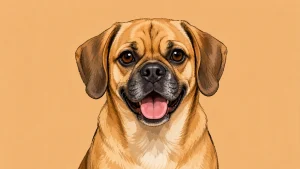
Pug Training Profile

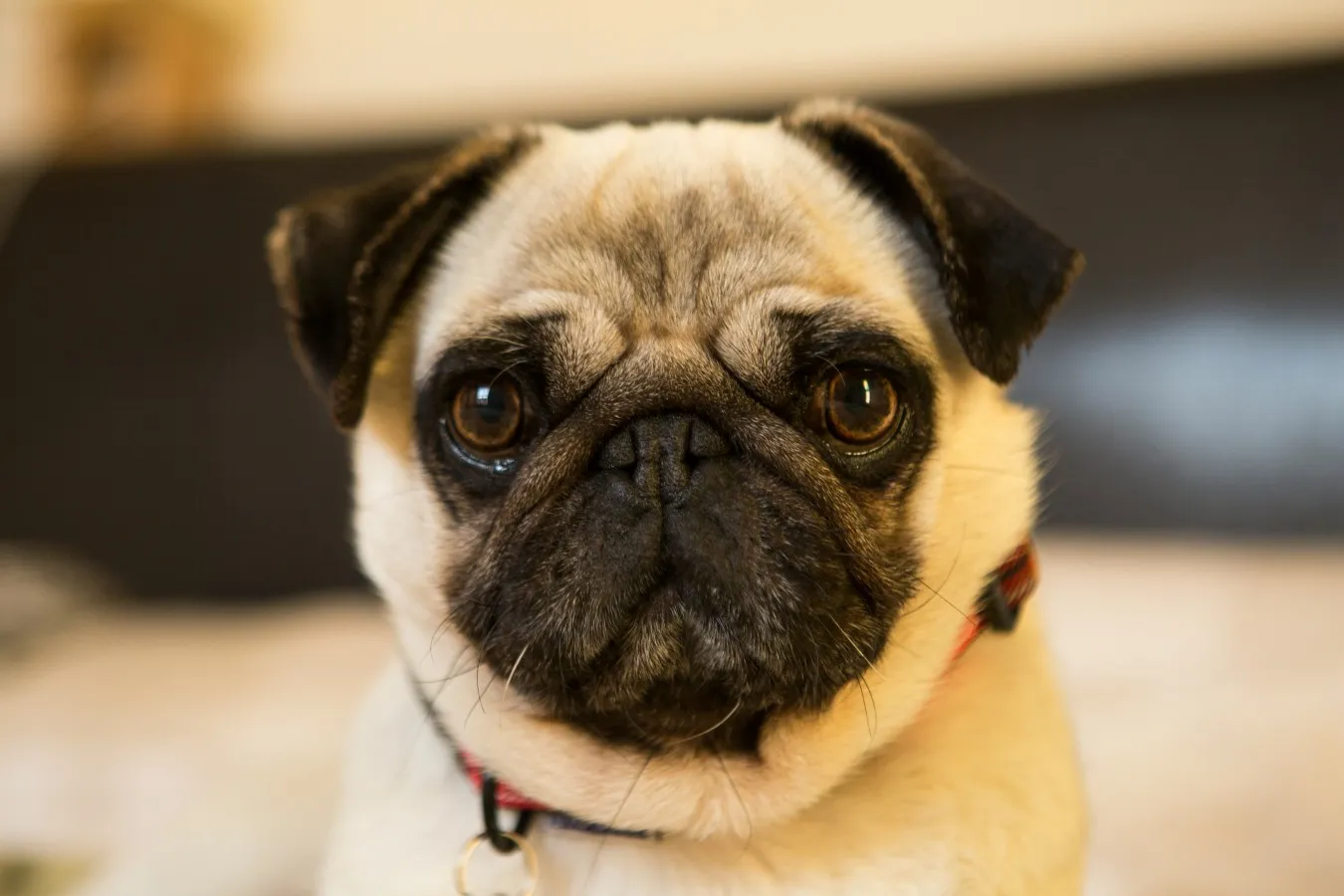
Pugs are charming, food-motivated companions that are generally easy to train but possess a notably stubborn streak. They respond best to short, fun sessions using positive reinforcement and high-value treats. Due to their small bladders and independent nature, potty training requires consistent routines. Always prioritize moderate, low-impact exercise to prevent overheating and respiratory distress.
TRAINABILITY

Hard

2 out of 10

MENTAL STIMULATION NEEDS

Very Low

1 out of 10

LOVE FOR GRUB

Eats Everything

10 out of 10

TRAINING FAQ

Are Pugs easy to train?

Moderate

6 out of 10

Pugs are generally easy to train due to their social, eager-to-please nature. While they can be stubborn and have short attention spans, they respond well to consistent, positive reinforcement and high-value treats. Keep sessions short and fun to manage their independent streak and ensure success.

Very Stubborn

2 out of 10

Pugs are intelligent and eager to please, but they are famously stubborn and independent thinkers. They often use their charm to test boundaries or ignore commands if they aren’t motivated. Consistent, positive reinforcement with high-value treats and short, engaging sessions are essential to overcome their willful streak.

Difficult

2 out of 10

Train your Pug puppy using short, 5-10 minute sessions focused on positive reinforcement and high-value treats like chicken or cheese. Establish a strict routine for meals and potty breaks. Focus on early socialization and basic commands like sit and stay to manage their stubborn but food-motivated nature.

Challenging

3 out of 10

Potty training a Pug typically takes between 3 months and a year, as their small bladders and stubborn nature require patience. Success depends on a consistent routine, crate training, and positive reinforcement. Frequent breaks every few hours are essential to overcome their reputation for being challenging students.

Extreme Needs

10 out of 10

Pugs require moderate daily exercise to stay fit, typically two short 15-20 minute walks. Because they are brachycephalic, they overheat easily and struggle with intense activity. Schedule walks during cooler morning or evening hours and supplement with gentle indoor play to avoid respiratory distress.
Moderate

6 out of 10

A Pug’s daily routine should prioritize moderate exercise and careful temperature control due to their sensitivity to heat. Provide two short 15-20 minute walks during the cooler morning and evening hours to stay fit without causing respiratory distress. Since Pugs are prone to obesity and generally eat anything, maintain a strict feeding schedule with high-quality food. Daily care must include cleaning their facial wrinkles to prevent skin infections. Incorporate short 5-10 minute training sessions using positive reinforcement and high-value treats to manage their stubborn nature while keeping them engaged. Ensure they have plenty of time for indoor play and rest in a climate-controlled environment.
VET INSIGHTS

Pugs are charming, food-motivated companions with a notable stubborn streak. While social and eager to please, they require patient, reward-based training and consistent routines. Potty training is often challenging due to small bladders. This brachycephalic breed needs moderate, low-impact exercise and heat management. Daily care must include cleaning facial wrinkles and monitoring their diet to prevent obesity.

Photo
Reviewed by
Dr. Vojtech Gabriel
DVM · PhD · MBA
Veterinarian Researcher Dog breed specialist
Verified

Explore Other Breed TRAINING PROFILES