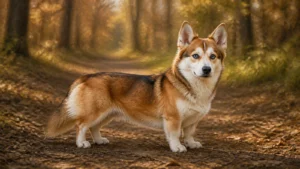
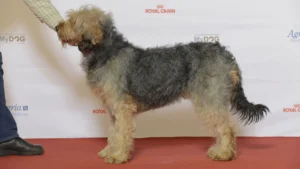
Deutscher Wachtelhund Training Profile
Deutscher Wachtelhunds are intelligent, cooperative hunters that respond well to consistent, positive reinforcement. While their independent drive can cause distractions, they are highly trainable for dedicated owners. Potty training is generally easy, but they require significant mental stimulation and a structured daily routine to channel their keen scenting instincts and moderate energy levels effectively.
TRAINABILITY
Moderate
6 out of 10
MENTAL STIMULATION NEEDS
Extreme Needs
10 out of 10
LOVE FOR GRUB
Selective
4 out of 10
TRAINING FAQ
Are Deutscher Wachtelhunds easy to train?
Moderate
6 out of 10
Deutscher Wachtelhunds are generally easy to train because they are highly intelligent, cooperative, and eager to please. While their independent hunting drive and keen scenting instincts can sometimes lead to distractions, they respond exceptionally well to consistent, positive reinforcement. Their adaptable and friendly nature makes them responsive students for dedicated owners who provide structured training and early socialization.
Are Deutscher Wachtelhunds stubborn?
Moderate
6 out of 10
Deutscher Wachtelhunds are generally cooperative and eager to please, resulting in a moderate stubbornness rating. While they possess an independent hunting drive and keen scenting instincts that can lead to distractions, they respond well to consistent, positive reinforcement. Their intelligent nature ensures they remain highly trainable for dedicated owners.
How to train a Deutscher Wachtelhund puppy?
Average
6 out of 10
Train your Deutscher Wachtelhund puppy with consistent, positive reinforcement using food and moving objects as stimuli to channel their strong hunting instincts. Focus on early socialization and basic obedience commands like sit, stay, and lie down to build a strong foundation. Since they are intelligent and cooperative, keep sessions engaging and varied to maintain their interest while establishing clear leadership to manage their independent nature.
How difficult is to potty train a Deutscher Wachtelhund puppy?
Easy
9 out of 10
Potty training a Deutscher Wachtelhund typically takes 4 to 6 months. While they are generally cooperative and intelligent, their strong hunting instincts and independent nature can lead to distractions during the process. Success depends on maintaining a consistent outdoor schedule, using a crate for supervision, and providing plenty of positive reinforcement to keep them focused on their routine.
How many walks does a Deutscher Wachtelhund need?
Extreme Needs
10 out of 10
Deutscher Wachtelhunds are high-energy hunting dogs that require a minimum of two hours of vigorous daily exercise to remain healthy and balanced. This should include multiple long, brisk walks or hikes, ideally supplemented with activities like swimming, scent tracking, or retrieving games. Because of their strong hunting instincts and endurance, they thrive with active owners who can provide consistent opportunities for safe, energetic off-leash exploration in fenced areas.
What is the best daily routine for a Deutscher Wachtelhund?
Low Routine
4 out of 10
A Deutscher Wachtelhund’s daily routine should focus on intense physical activity and purposeful mental engagement to satisfy their strong hunting instincts. Provide at least two hours of vigorous exercise daily, such as long walks, jogging, or swimming, ideally split into morning and evening sessions. Feed adult dogs twice daily, adhering to a high-quality, protein-rich diet representing 2-3% of their ideal body weight. Incorporate scent-based training or tracking games to keep their sharp minds occupied. Essential care includes weekly brushing of their dense double coat and regular ear checks to prevent infections, especially if they have been swimming.
VET INSIGHTS
Deutscher Wachtelhunds are intelligent, cooperative hunters that respond well to positive reinforcement. They require significant mental stimulation and at least two hours of daily vigorous exercise, such as scent tracking or swimming, to satisfy their strong hunting instincts. While generally easy to train and housebreak, their independent nature and high energy necessitate a structured, consistent routine.

Reviewed by
Dr. Vojtech Gabriel
DVM · PhD · MBA
Veterinarian
Researcher
Dog breed specialist
✓
Verified