Skip to content

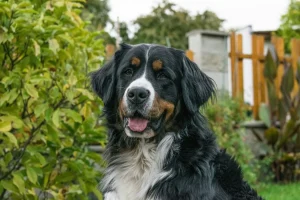
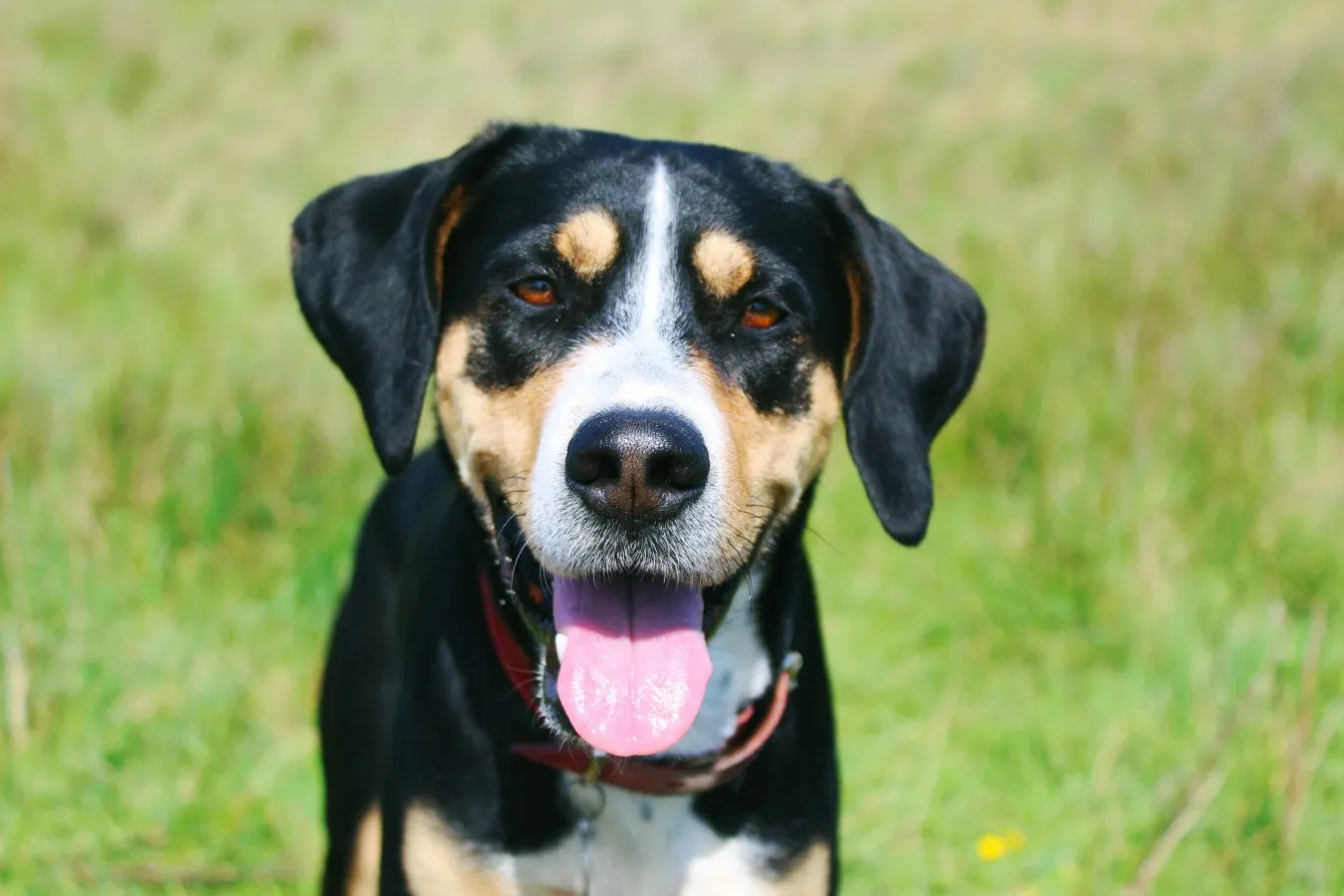
Greater Swiss Mountain Dog Training Profile

Greater Swiss Mountain Dogs are intelligent but notably stubborn, requiring patient and consistent leadership. Their independent nature and slow physical development can make housebreaking particularly challenging, often taking up to a year. Success relies on early socialization, positive reinforcement, and high-value rewards to manage their strong-willed temperament and athletic working instincts effectively.

TRAINABILITY

Hard

2 out of 10

MENTAL STIMULATION NEEDS

Mild Needs

3 out of 10

LOVE FOR GRUB

Moderate

5 out of 10

TRAINING FAQ

Are Greater Swiss Mountain Dogs easy to train?

Stubborn

3 out of 10

Greater Swiss Mountain Dogs are intelligent but notably stubborn, requiring a patient and confident owner. Their independent working heritage means they may test boundaries, so success depends on firm, consistent leadership. Use high-value food rewards and positive reinforcement from an early age to manage their headstrong nature effectively.

Very Stubborn

2 out of 10

Greater Swiss Mountain Dogs are famously stubborn and independent, often questioning commands during training. Originally bred for independent farm work, they require a patient owner who uses consistent, reward-based methods. High-value treats and clear leadership are essential to manage their strong-willed nature and ensure cooperative behavior.

Difficult

2 out of 10

Greater Swiss Mountain Dogs require moderate daily exercise, typically satisfied by one or two brisk walks. While they enjoy active bursts, their large size and thick coats make them prone to overheating. Owners should aim for consistent activity like hiking or carting to keep this hardworking breed healthy and engaged.

Difficult

2 out of 10

Potty training a Greater Swiss Mountain Dog typically takes 6 to 12 months. This breed is notably slower to housebreak than other large breeds due to their stubborn nature and slow physical development. Success requires extreme patience, a rigid crate training schedule, and consistent positive reinforcement.

Very Low

1 out of 10

Greater Swiss Mountain Dogs require moderate daily exercise, typically satisfied by one or two brisk walks. While they enjoy active bursts, their large size and thick coats make them prone to overheating. Owners should aim for consistent activity like hiking or carting to keep this hardworking breed healthy and engaged.

Moderate

6 out of 10

A Greater Swiss Mountain Dog’s daily routine should balance moderate activity with structured rest. Provide 30 to 60 minutes of exercise, typically split into two brisk walks, and avoid vigorous activity near mealtimes to reduce bloat risk. Feed adults at least twice daily and puppies three to four times to support steady growth. Daily care involves weekly brushing of their double coat, weekly ear cleanings, and short training sessions using positive reinforcement to manage their independent nature. Because they are sensitive to warmth, schedule outdoor activities during cooler hours and prioritize quality time with the family to satisfy their social needs.

VET INSIGHTS

Greater Swiss Mountain Dogs are intelligent but notably stubborn, requiring patient, consistent leadership and positive reinforcement. They have moderate exercise needs, typically met with brisk walks, and are prone to overheating. Housebreaking is particularly challenging, often taking up to a year. Their routine focuses on balanced activity, structured rest to prevent bloat, and early socialization.
Photo
Reviewed by
Dr. Vojtech Gabriel
DVM · PhD · MBA
Veterinarian Researcher Dog breed specialist
Verified

Explore Other Breed TRAINING PROFILES