Skip to content

Moscow Watchdog Training Profile

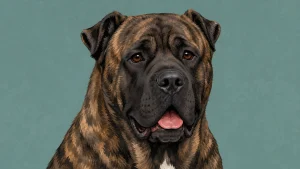
Moscow Watchdogs are powerful, intelligent guardian dogs that are generally willing and cooperative during training. They respond best to a firm, reward-based structure and confident leadership to manage their protective instincts. Early socialization is critical for this large breed, and they require a consistent routine with plenty of physical exercise to remain healthy and well-behaved.

TRAINABILITY

Trainable

8 out of 10

MENTAL STIMULATION NEEDS

Average Needs

5 out of 10

LOVE FOR GRUB

Very Picky

2 out of 10

TRAINING FAQ

Are Moscow Watchdogs easy to train?

Willing

7 out of 10

Moscow Watchdogs are highly intelligent and generally cooperative, making them relatively easy to train for owners who establish firm, consistent leadership. While they are naturally protective and assertive, their Saint Bernard heritage provides a steady, gentle temperament that responds well to reward-based methods. Early socialization and structured discipline are essential to manage their size and guardian instincts, ensuring they become well-mannered family protectors rather than overly aggressive.


Cooperative

8 out of 10

Moscow Watchdogs are generally cooperative but can exhibit a slight stubborn streak and a tendency to dominate. Due to their independent nature and guarding instincts, they require early, consistent training with a firm hand to establish boundaries. Owners should use positive reinforcement and high-value rewards, as these intelligent dogs respond best when they understand what is in it for them and see the training as a rewarding game.

Good

8 out of 10

Train your Moscow Watchdog puppy using firm, consistent, and reward-based methods to manage their natural protective instincts. Prioritize extensive early socialization with both people and other animals to ensure they grow into well-adjusted and confident companions. Because they are powerful and independent, focus on establishing clear leadership through positive reinforcement rather than harsh corrections to build a strong bond of trust and obedience.

Fair

7 out of 10

Potty training a Moscow Watchdog typically takes 4 to 6 months with consistent effort. While intelligent and generally cooperative, their large size and independent nature require firm leadership. Success relies on establishing a strict outdoor routine, using crate training effectively, and providing immediate positive reinforcement to help them grasp housebreaking expectations while managing their guarding instincts.

Moderate Needs

6 out of 10

Moscow Watchdogs have high exercise needs and typically require at least one hour of vigorous daily activity, such as long walks or brisk jogs. This active working breed thrives with sustained movement and opportunities to explore, which helps prevent boredom and destructive behaviors. While they need significant exercise, it is important to avoid high-impact activities like excessive jumping, especially during puppyhood, to protect their joints.

Moderate

6 out of 10

A Moscow Watchdog’s daily routine should focus on structured exercise and consistent mental engagement to manage its protective instincts. Provide at least 60 minutes of physical activity, ideally split into long, brisk walks or jogs, along with time to roam in a securely fenced yard. Because of their large size and risk of bloat, feed high-quality large-breed meals twice daily and ensure they rest for at least 90 minutes after eating. Essential daily care includes brushing their thick double coat to manage heavy shedding and incorporating short obedience training sessions to reinforce your leadership and maintain their cooperative nature.

VET INSIGHTS

Moscow Watchdogs are intelligent, powerful guardians requiring firm leadership and early socialization. They are generally cooperative but need consistent training to manage their protective instincts. Their care involves at least one hour of daily exercise, managing heavy shedding, and feeding large-breed meals twice daily. They are ideal for experienced owners with spacious yards to accommodate their large size.

Photo
Reviewed by
Dr. Vojtech Gabriel
DVM · PhD · MBA
Veterinarian Researcher Dog breed specialist
Verified

Explore Other Breed TRAINING PROFILES