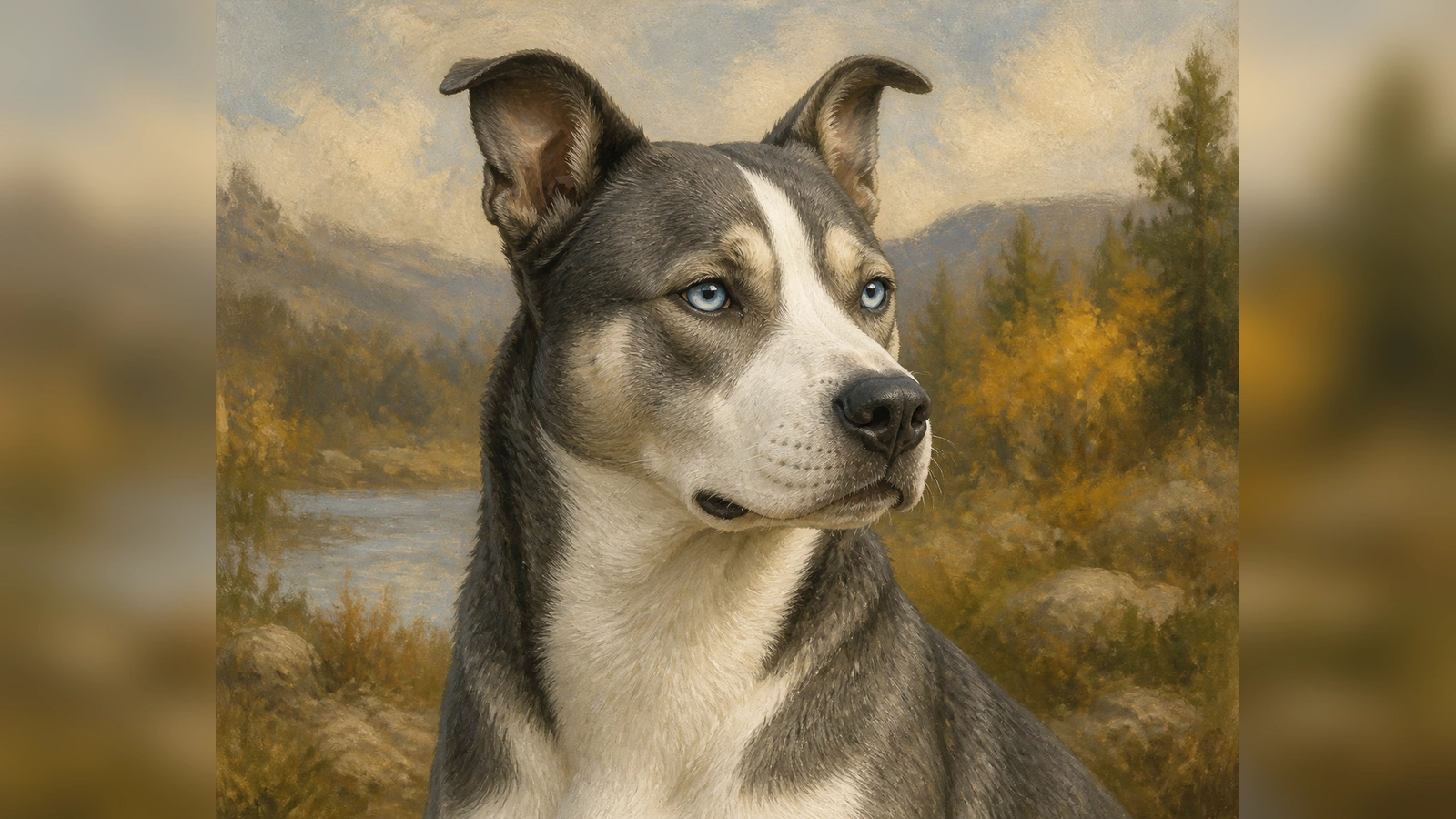
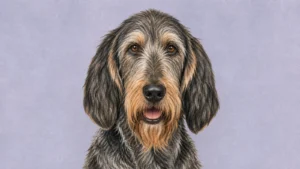
Pitsky Grooming Profile
COAT TYPE
Mixed/Variable
SHEDDING
High
GROOMING SKILL
Moderate
TRAINING FAQ
Are Pitskies hypoallergenic?
Fair
Pitsky are considered to have moderate allergy-friendly tendencies. They possess a mixed/variable coat that has high shedding. Their grooming needs are moderate.
Do Pitskies shed a lot?
Very High
Pitsky grooming frequency depends on the coat they inherit. Short-coated dogs need weekly brushing, while those with a Husky-like double coat require daily attention, especially during seasonal shedding. Regular nail trims, weekly ear checks, and frequent teeth brushing are also vital for maintaining your Pitsky's overall health and hygiene.
How often should you groom your Pitsky?
30 mins/week
Pitskies typically inherit a double coat from the Husky side that sheds moderately to heavily, especially during seasonal blowouts. Brushing two to three times a week, more often during those blowouts, helps manage loose hair. Coat length and shedding intensity vary depending on which parent's traits dominate.
Are Pitskies low maintenance dogs?
Hard
Clumber Spaniels are considered hard maintenance dogs. They require consistent care, training, and exercise to thrive in a home environment.
How big do Pitskies get?
Large
Clumber Spaniels are the largest of the AKC flushing spaniels, possessing a powerful, heavy-boned build. They typically stand 17 to 20 inches tall. Males weigh between 70 and 85 pounds, while females are slightly smaller, usually ranging from 55 to 70 pounds, reflecting their robust, rectangular silhouette.

When do Pitskies usually stop growing?
24-30 months
Clumber Spaniels typically stop growing between 12 and 24 months of age, depending on their exact size and individual development rate.
How much should a Pitsky eat?
2.5-3 cups
Adult Clumber Spaniels should eat a balanced diet divided into two meals a day. Portion sizes depend on their age, size, and activity level.
How often should a Pitsky eat?
3-4 meals/day
Pitsky puppies require frequent, small meals to support their high energy levels and rapid growth. Feed your puppy three to four times daily until they are six months old. Afterward, transition to two meals per day to maintain optimal health and support their athletic development.