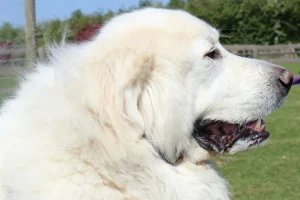
Russian Spaniel Training Profile
Russian Spaniels are intelligent, cooperative, and eager to please, making them exceptionally easy to train. These quick learners thrive on consistent, positive reinforcement and gentle guidance. While they excel in obedience and field work, early socialization and structured routines are essential to manage their high energy and natural hunting instincts effectively.
TRAINABILITY
Trainable
8 out of 10
MENTAL STIMULATION NEEDS
Below Average
4 out of 10
LOVE FOR GRUB
Voracious
9 out of 10
TRAINING FAQ
Are Russian Spaniels easy to train?
Quick Learner
8 out of 10
Russian Spaniels are highly intelligent and eager to please, making them exceptionally easy to train for both novice and experienced owners. They are quick learners who thrive on positive reinforcement and structured activities, often mastering new commands with minimal effort. Their cooperative nature and natural desire to be near their families ensure they remain focused and responsive students during training sessions.
Are Russian Spaniels stubborn?
Cooperative
8 out of 10
Russian Spaniels are generally not considered stubborn and are known for their cooperative and eager-to-please nature. Highly intelligent and focused, they respond well to consistent, positive reinforcement and structured training sessions. While they possess a strong hunting drive that can lead to distractions outdoors, their natural responsiveness makes them excellent students for owners who provide clear leadership and mental engagement.
How to train a Russian Spaniel puppy?
Good
8 out of 10
Train your Russian Spaniel puppy using positive reinforcement and a consistent daily routine. Because they are intelligent and eager to please, these quick learners respond best to reward-based methods and clear communication. Focus on early socialization and basic obedience commands to build a strong foundation. Use treats and praise to motivate this cooperative breed, ensuring training sessions remain short and engaging to maintain their focus.
How difficult is to potty train a Russian Spaniel puppy?
Good
8 out of 10
Potty training a Russian Spaniel typically takes 4 to 6 months. These intelligent, cooperative dogs are quick learners and generally eager to please, making the process smooth. Success relies on a consistent routine, frequent outdoor breaks, and positive reinforcement to establish reliable housebreaking habits early on.
How many walks does a Russian Spaniel need?
Low Needs
2 out of 10
Russian Spaniels are energetic gun dogs that require significant daily activity, typically at least 60 to 90 minutes. This should include one or two vigorous walks or jogs supplemented by active play sessions like fetch, swimming, or scent work. While they can adapt to apartment living if their physical needs are met, they possess great stamina and thrive when given opportunities to channel their hunting instincts through regular, vigorous exercise.
What is the best daily routine for a Russian Spaniel?
High Needs
8 out of 10
A Russian Spaniel’s daily routine should focus on structured physical activity and mental engagement. Provide one to two vigorous 30-minute walks or jogs daily, supplemented with games like fetch or scent work to channel their hunting instincts. Feed adults twice daily and monitor their intake, as they are prone to obesity. Incorporate short, consistent training sessions to manage their high energy and maintain their well-mannered nature. Ensure they have several quiet hours for rest and provide indoor enrichment like puzzle toys to prevent destructive behaviors. Weekly ear cleaning and regular brushing are essential components of their care.
VET INSIGHTS
Russian Spaniels are intelligent, cooperative, and easy to train using positive reinforcement. Potty training is typically smooth, taking four to six months. These energetic gun dogs need 45 minutes of daily exercise, such as walks and scent work. Their routine emphasizes mental engagement, weight management, and regular grooming, including ear cleaning, to maintain their health and well-mannered temperament.

Reviewed by
Dr. Vojtech Gabriel

DVM · PhD · MBA
Veterinarian
Researcher
Dog breed specialist
✓
Verified