Schipperke Personality Profile
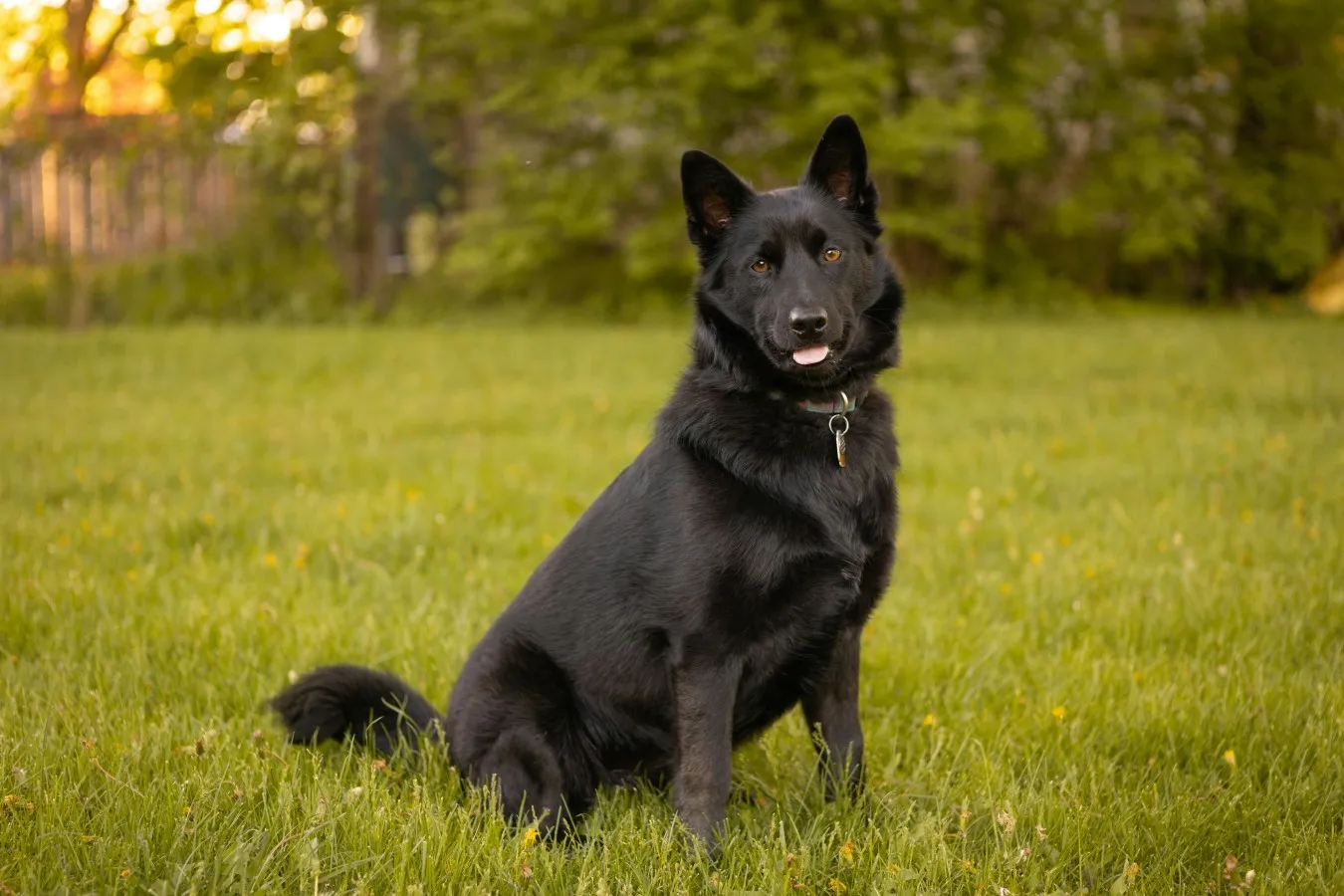
Schipperkes are exceptionally smart, curious, and energetic companions known as “Little Captains.” These loyal “velcro dogs” form deep bonds with their families and are vigilant watchdogs. While they are moderately cuddly and playful, their independent and mischievous nature requires consistent training to manage their vocal tendencies and headstrong personality.
FRIENDLINESS
Neutral
5 out of 10
ATTACHMENT
Somewhat Reserved
4 out of 10
PLAYFULNESS
Playful
8 out of 10
TEMPERAMENT FAQ
Are Schipperkes smart?
Smartest
10 out of 10
Schipperkes are exceptionally smart, curious, and quick learners, earning their nickname Little Captain. While they excel at mastering commands and solving puzzles, their independent and mischievous nature can lead to stubbornness. They require consistent, positive reinforcement and plenty of mental stimulation to keep their sharp minds engaged and out of trouble.
Do Schipperkes like to cuddle?
Moderately Cuddly
6 out of 10
Schipperkes are moderately cuddly companions that form deep, loyal bonds with their families. While they are independent thinkers, they are often described as velcro dogs that love to curl up on your lap and snuggle after a long day of high-energy play and mental activity.
Do Schipperkes get separation anxiety?
Balanced
6 out of 10
Schipperkes have a relatively balanced approach to being alone, provided their needs are met. While they bond deeply with their families, their independent nature allows them to tolerate moderate periods alone if they receive adequate exercise and mental stimulation.
Do Schipperkes bark a lot?
Vocal
8 out of 10
Pointers are generally average barkers, typically vocalizing to alert their owners of strangers or unusual activity. However, as high-energy hunting dogs, they can develop a penchant for excessive barking if they are not properly exercised or mentally stimulated.
Are Schipperkes protective?
Protective
8 out of 10
Schipperkes are protective and vigilant watchdogs. Originally bred to guard Belgian canal boats, they are naturally territorial and suspicious of strangers. While intensely loyal to their families, they take their guarding duties seriously and will alertly bark to announce any perceived threats to their home.

VET INSIGHTS
Schipperkes have a relatively balanced approach to being alone, provided their needs are met. While they bond deeply with their families, their independent nature allows them to tolerate moderate periods alone if they receive adequate exercise and mental stimulation.
Reviewed by
Dr. Vojtech Gabriel
DVM · PhD · MBA
Veterinarian
Researcher
Dog breed specialist
✓
Verified